Target New ArrivalsBack to SchoolCollegeClothing, Shoes & AccessoriesHome & DecorKitchen & DiningOutdoor Living & GardenGroceryHousehold EssentialsBabyBeautyPersonal CareSports & OutdoorsHealthWellnessSchool & Office SuppliesToys & GamesElectronics & TechVideo GamesMovies, Music & BooksParty SuppliesGift IdeasGift CardsPetsUlta Beauty at TargetShop by CommunityTarget OpticalDealsClearanceNew ArrivalsBack to SchoolCollegeTop DealsTarget Circle DealsWeekly AdShop Order PickupShop Same Day DeliveryRegistryRedCardTarget CircleFind Stores

long charger cord

285 results for “long charger cord”

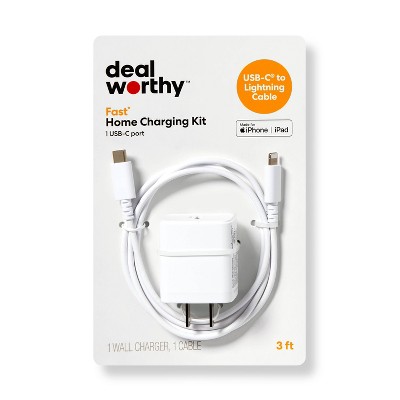
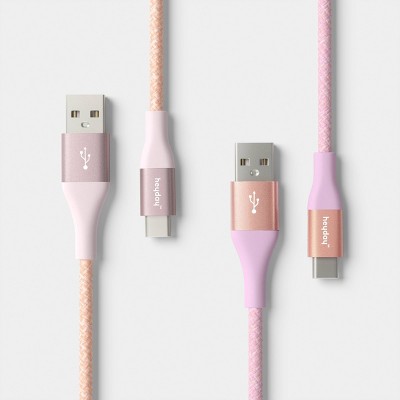
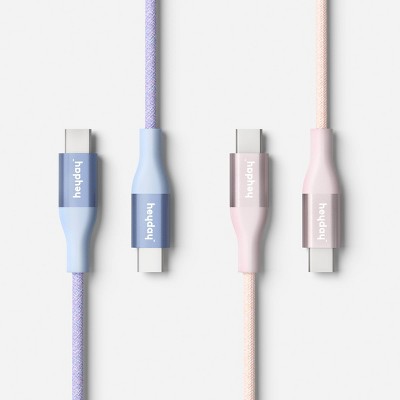
USB-C to Lightning Home Charging Kit - heyday™

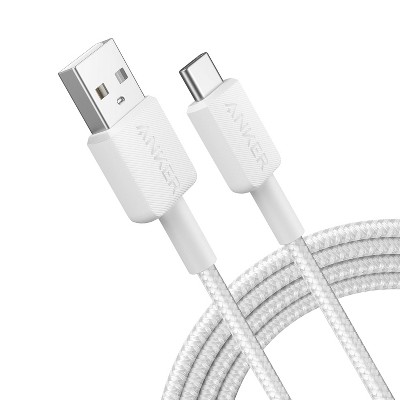
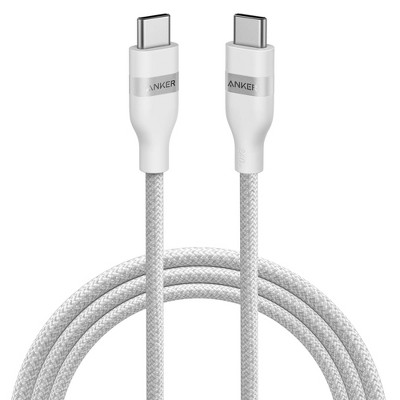
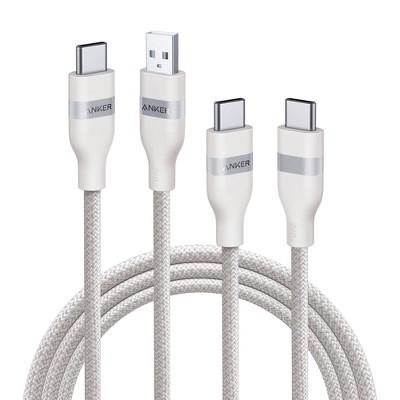
Anker USB-A to C 20W Cable

$12.99

Anker 2 Port 33W Wall Charger with 6' USB-C to USB-C Cable - White: Quick Charge, 9V Output

Sponsored

Sponsored

Powered by AI

Guests also ask:

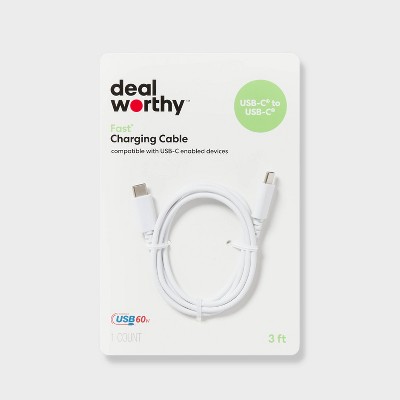
Long charger cords commonly range from about 1–2 meters (3–6.7 ft). Common lengths listed are 3 ft (1 m), 5 ft, 6 ft (2 m), 6.5 ft, and 6.7 ft.

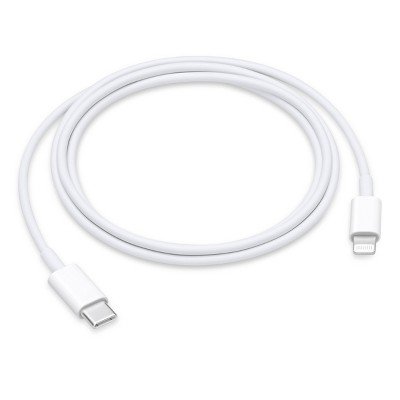
Long charger cords commonly use USB-C, USB-A, and Lightning connectors. Typical orientations include USB-A to USB-C, USB-C to USB-C, Lightning to USB-A/USB-C, and many listings show male-to-male connections or USB-C on both ends.

Power support varies by cable: some listings advertise very high wattage (up to 240W), while others specify common outputs such as 60W (e.g., DC 20V/3A) or 20W from a wall adapter. Some high‑speed cables/combos note support up to 100W (5A). Check the specific listing for exact wattage and fast‑charge compatibility.

Common constructions include braided nylon, woven fabrics, silicone, and reinforced rubber housings. Rugged braided exteriors and reinforced connector joints are often used to improve durability.

Data capabilities vary from basic USB 2.0 transfer speeds up to high‑speed USB standards. Some cables and combos support multi‑gigabit performance such as USB 3.2 Gen 2x2 (Superspeed), while others are limited to USB 2.0 rates—check the product spec for exact throughput.

Listings often highlight reinforced or elongated rubber housings at connector joints and braided or high‑tensile nylon coverings. These features help resist bending and reduce breakage at the connectors.

Get top deals, latest trends, and more.