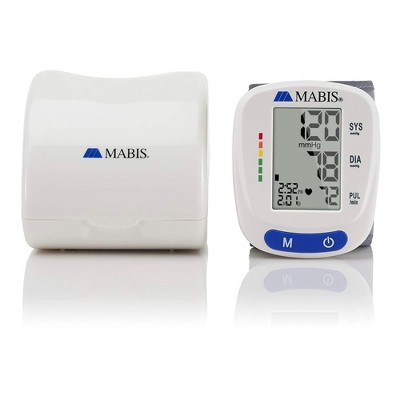
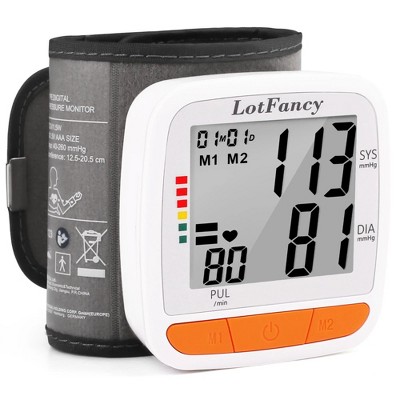
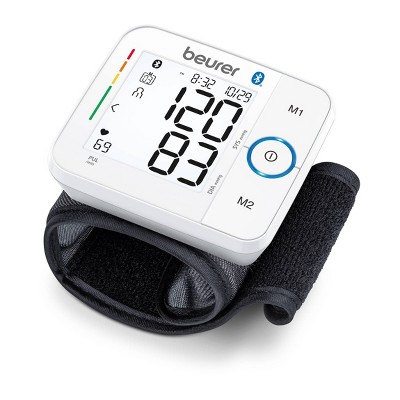
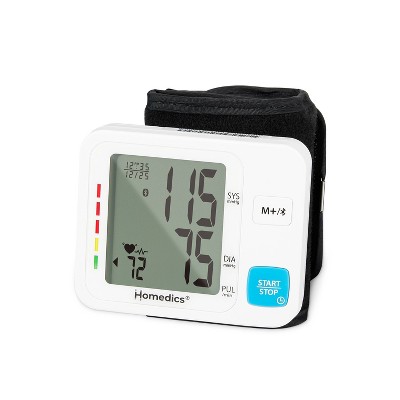
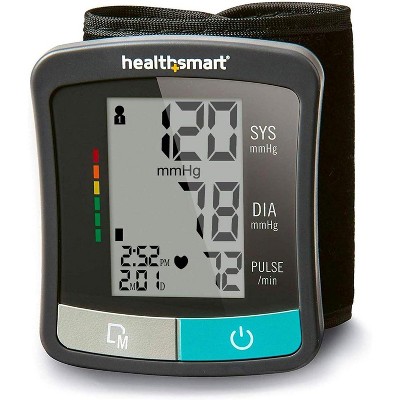
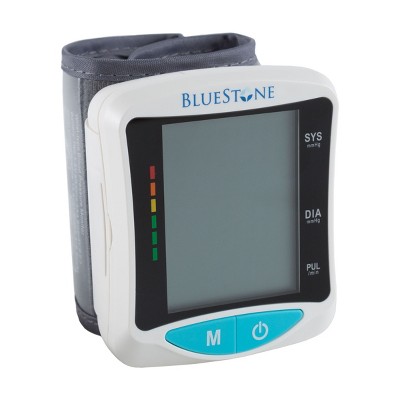
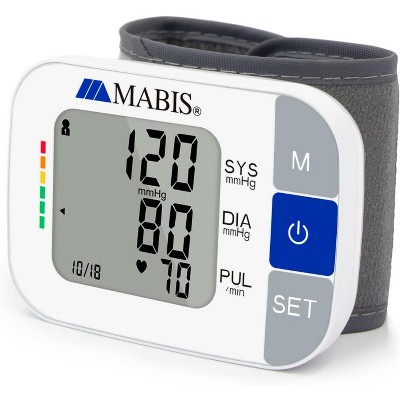
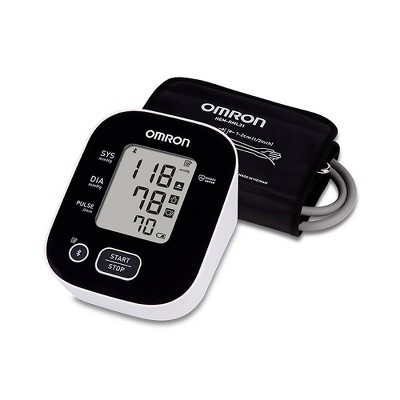
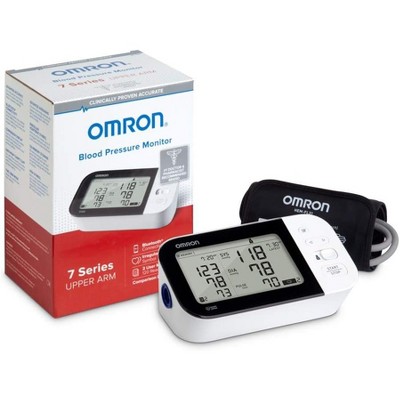
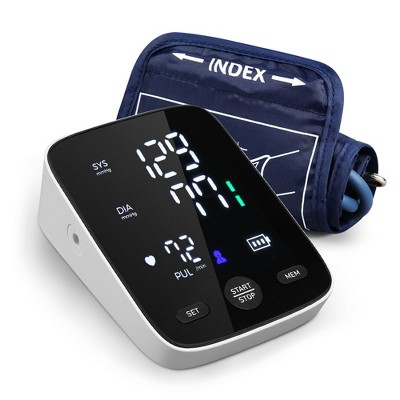
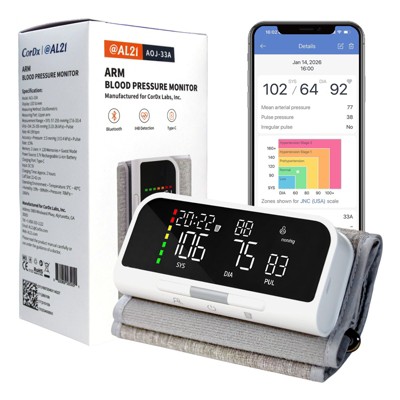
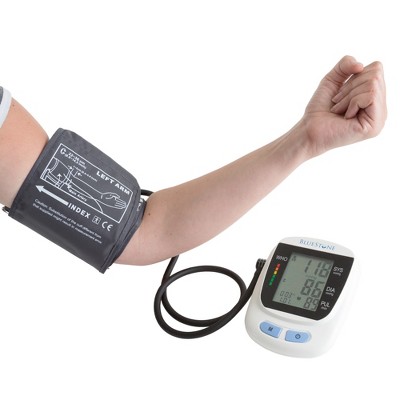
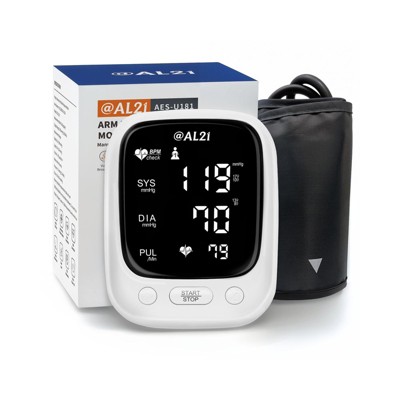
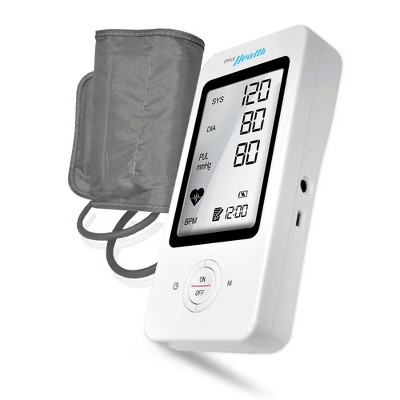
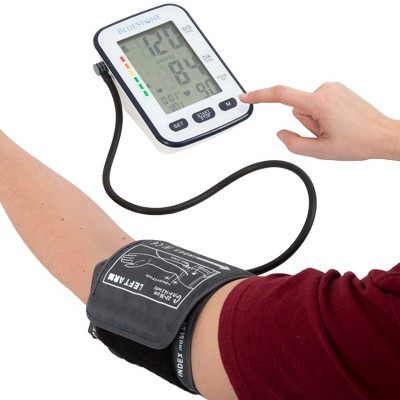
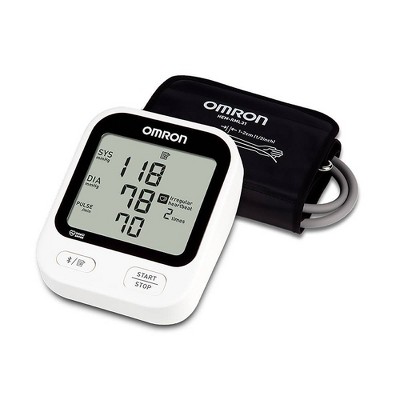
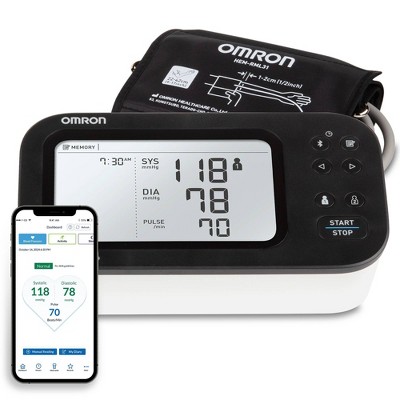
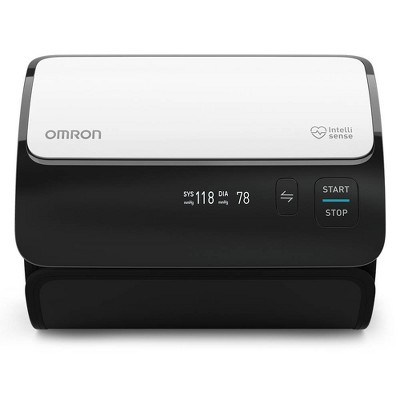
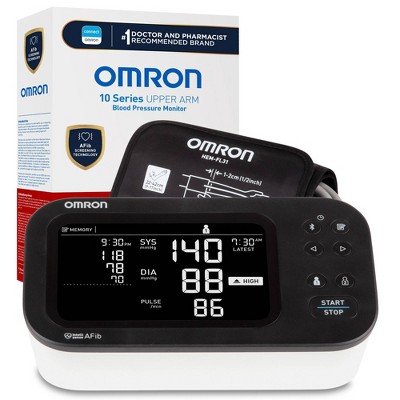
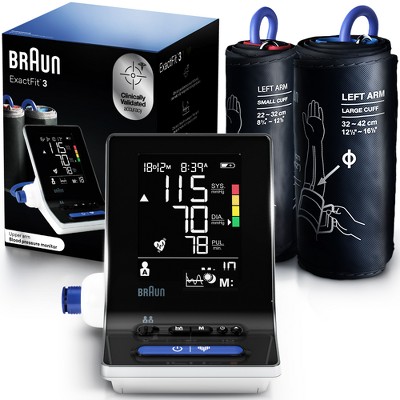
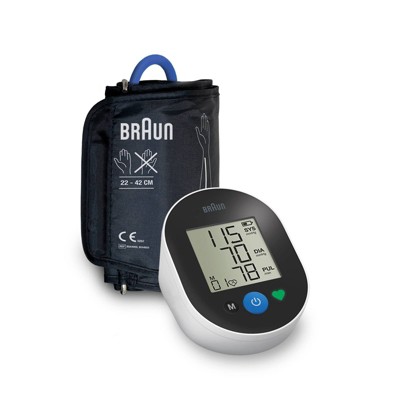
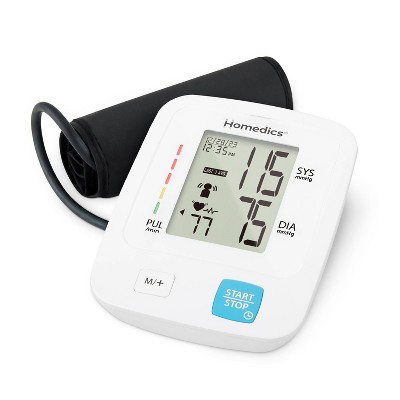
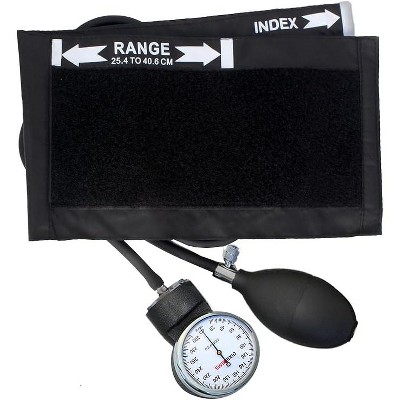
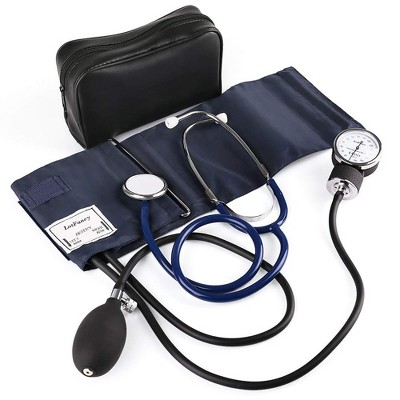
Common accuracy-focused features include cuff-fit and wrist-position checks, motion/body-motion detection, controlled inflation technology, and irregular-heartbeat detection to flag potentially unreliable readings.
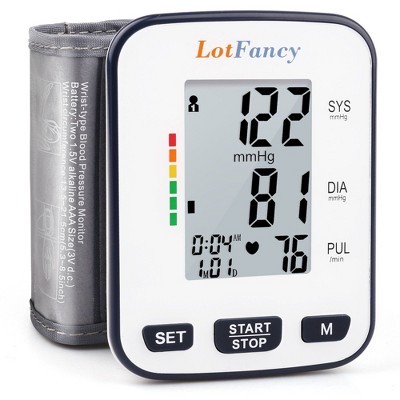
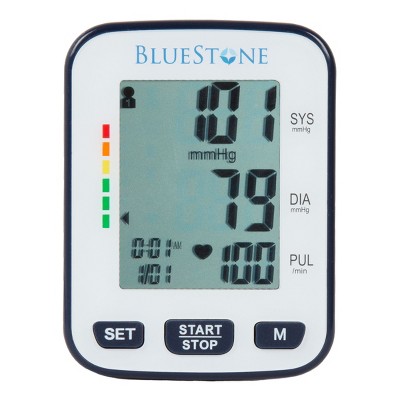
Most wrist monitors report pulse/heart rate and detect irregular heartbeats. Many also include visual risk indicators (such as color bands), audible readouts or voice alerts, and flags for abnormal rhythms.
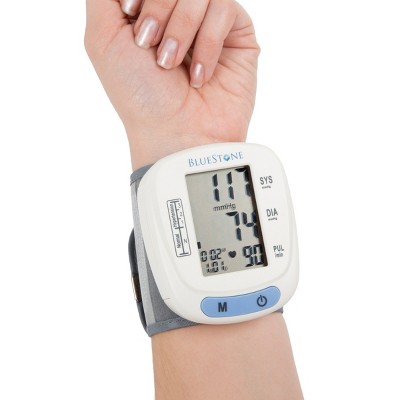
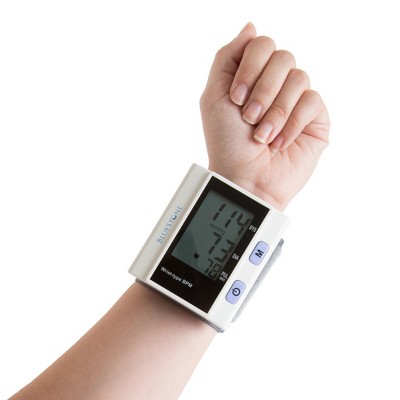
Models often show a wrist-positioning guide on the display, provide audio cues or voice guidance, and include cuff-fit indicators that warn if the cuff is too loose or too tight.
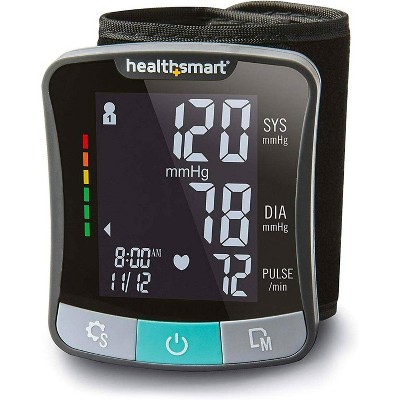
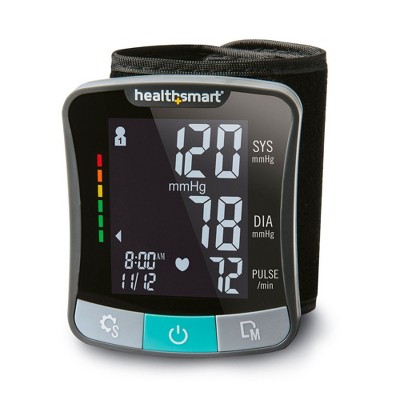
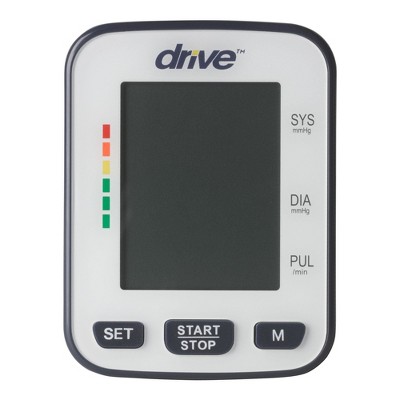
They commonly use visual guides such as color-coded risk scales and may reference guideline-based categories (e.g., normal, elevated, hypertensive) to help interpret readings.
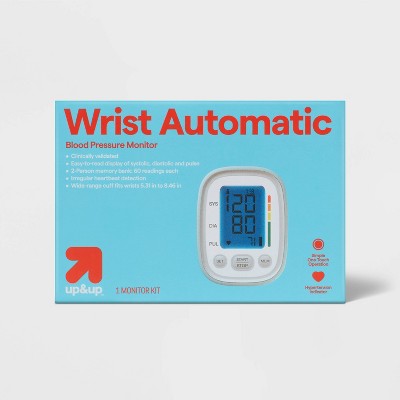
Most monitors list wrist cuff ranges of about 5.3–8.5 inches (13.5–21.5 cm). A few models specify a slightly wider starting fit (about 4.9 inches / 12.5 cm) with upper limits reported around 8.1–8.5 inches.
Common features include automatic averaging of recent readings (often the last three), separate morning/evening (AM/PM) averages, and date/time stamping so you can track trends across days.
All devices in these listings are battery-powered. Most specify 2 × AAA batteries (either required or included), while at least one model is listed with a 4 × AA battery specification.
Portable models are compact and often include a protective carrying case. To support accurate readings on the go they commonly provide positioning cues, cuff-fit detection, wrist-position guides, and voice instructions on some units.