Target New ArrivalsHalloweenChristmasGift IdeasClothing, Shoes & AccessoriesHome & DecorKitchen & DiningPatio, Lawn & GardenGroceryHousehold EssentialsBabyBeautyTarget Beauty StudioPersonal CareSports & OutdoorsPetsHealthWellnessSchool & Office SuppliesToys & GamesElectronics & TechVideo GamesBooks, Music & MoviesParty SuppliesGift CardsShop by CommunityTarget OpticalDealsClearanceNew ArrivalsBack to SchoolCollegeTop DealsTarget Circle DealsWeekly AdShop Order PickupShop Same Day DeliveryRegistryRedCardTarget CircleFind Stores

antibiotic ointment

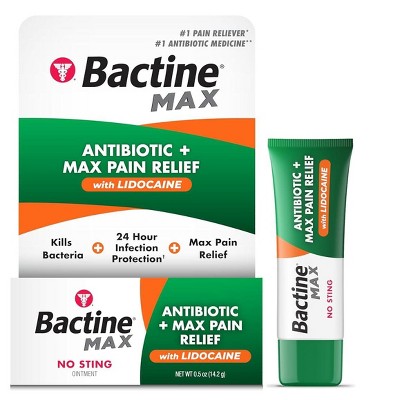
206 results for “antibiotic ointment”

Naproxen Tablets (NSAID) - 50ct - up&up™

Sponsored

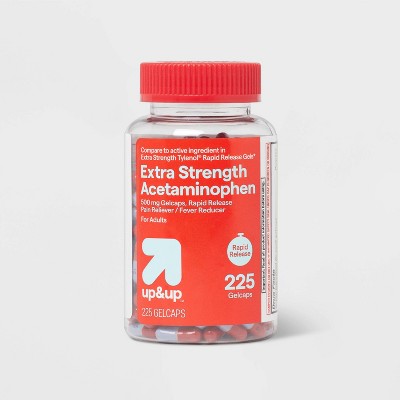
Acetaminophen Extra Strength Pain Reliever + Fever Reducer Quick Release Gelcaps - up&up™

Sponsored

Powered by AI

Guests also ask:

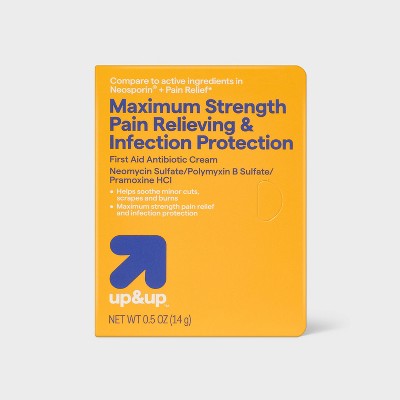
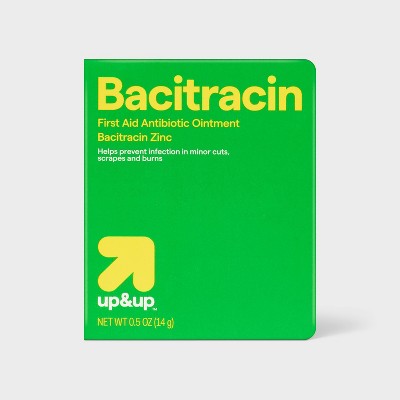
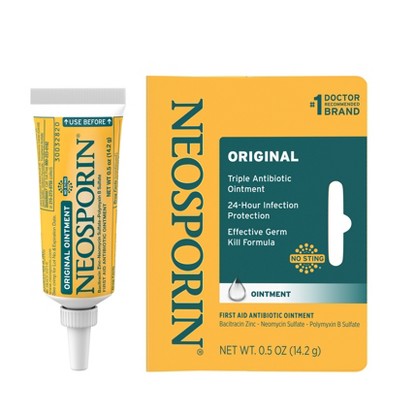
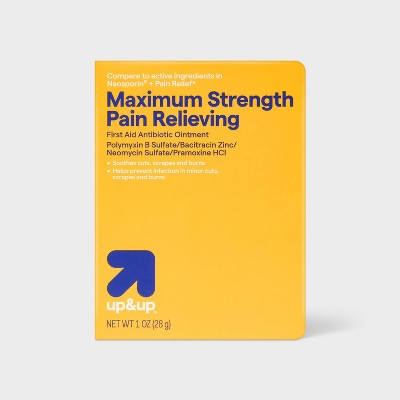
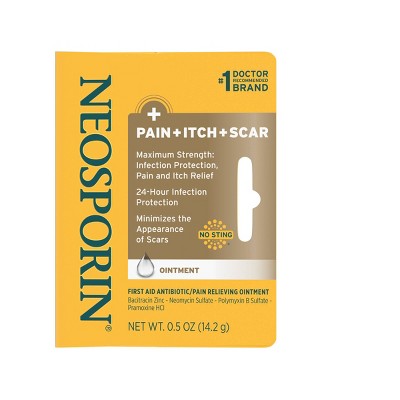
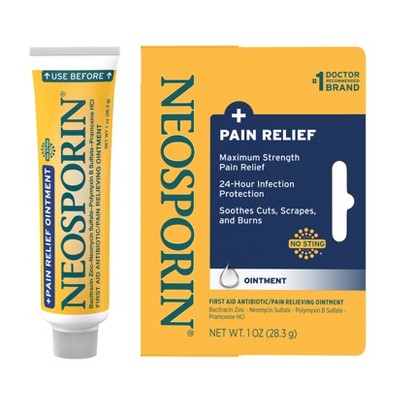
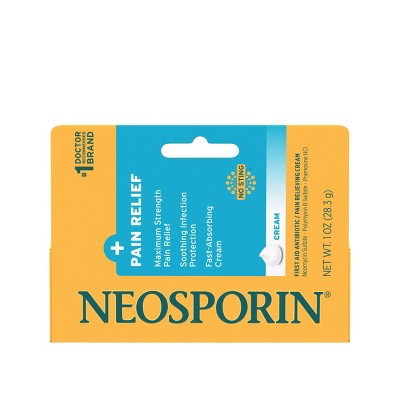
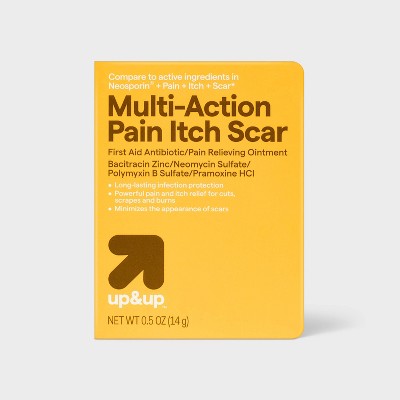
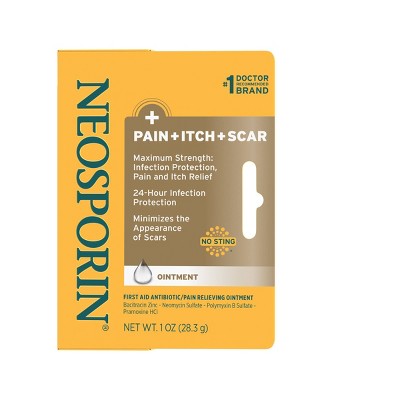
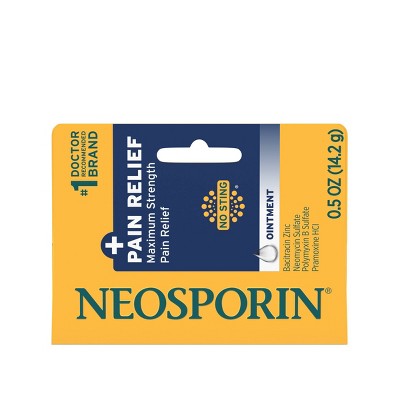
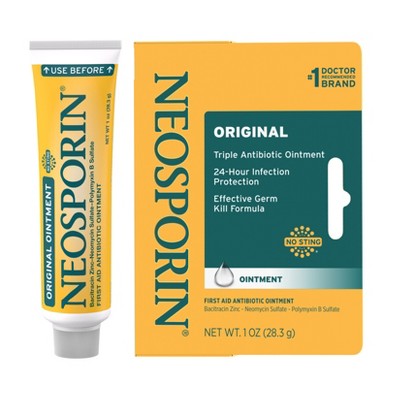
Topical antibiotic ointments commonly list bacitracin (often as bacitracin zinc), neomycin (neomycin sulfate), and polymyxin B (polymyxin B sulfate) as the active antibiotic ingredients.

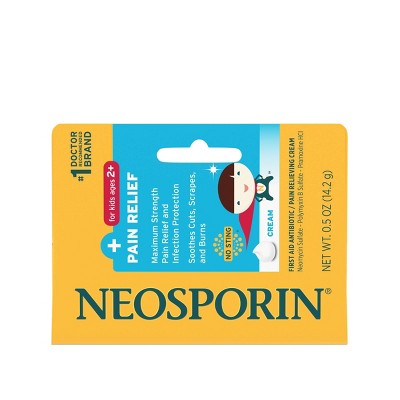
Topical antibiotic treatments are typically available as creams and ointments.

Product directions commonly advise applying a small amount to the affected area 1 to 3 times daily. Always follow the specific instructions on your product label.

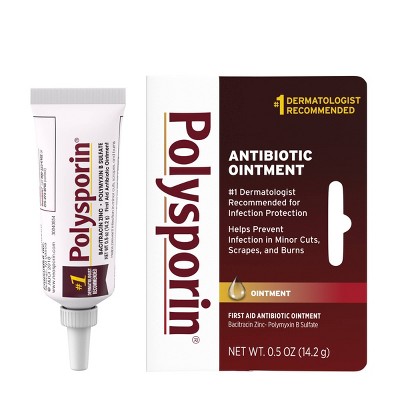
Common options include travel/mini sizes (about 0.5 ounce) and larger tubes (around 1 ounce); some listings explicitly note TSA-friendly 0.5-ounce travel sizes.

Labels commonly warn to keep the product out of reach of children and note a risk of eye irritation. Some products state age limits—for example, not for children under age 2—while others specify suitability for children aged 2 and up.

First-aid ointments commonly use triple-antibiotic combinations (bacitracin zinc, neomycin sulfate, and polymyxin B sulfate) and dual combinations such as bacitracin zinc plus polymyxin B sulfate; some dual formulas are marketed as neomycin-free.

Skip to next section

Get top deals, latest trends, and more.