baby mats for hardwood floors
343 results for “baby mats for hardwood floors”


Recommendations for you
- $20.99 - $22.99reg $23.99 - $25.99 Sale5 out of 5 stars with 11 ratings
- $139.99reg $140.00 Sale
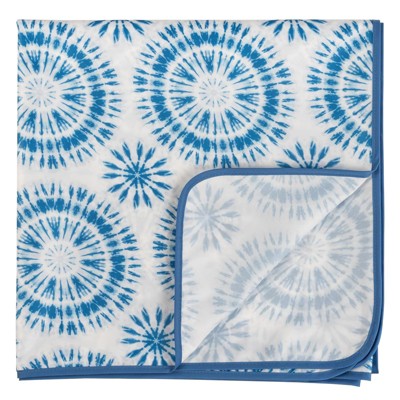
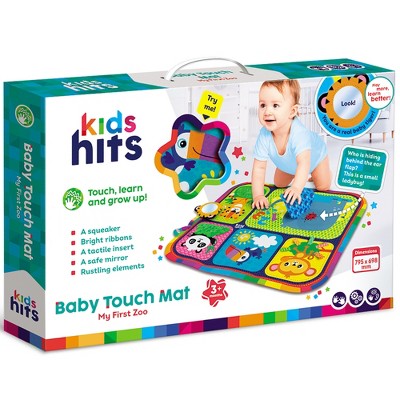
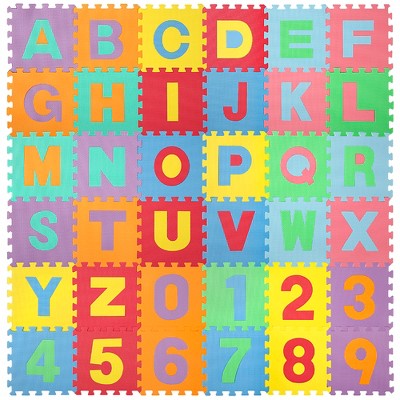
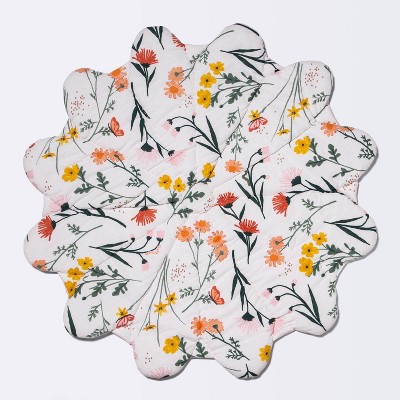
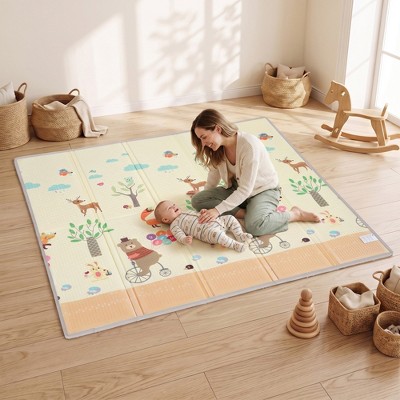
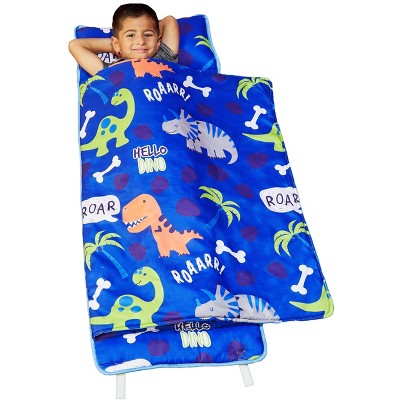
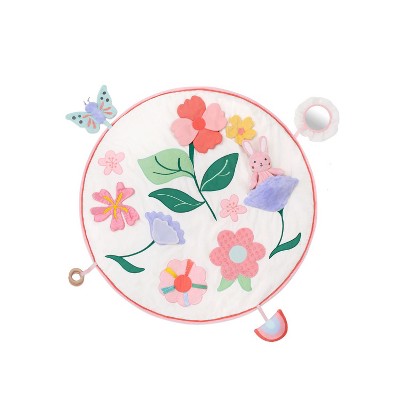
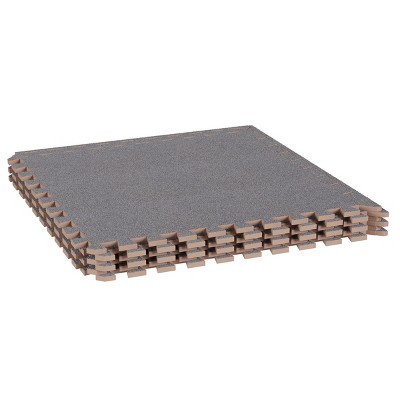
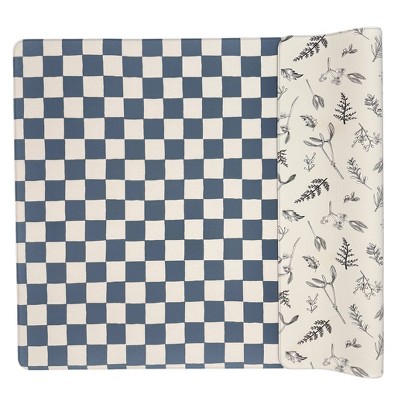
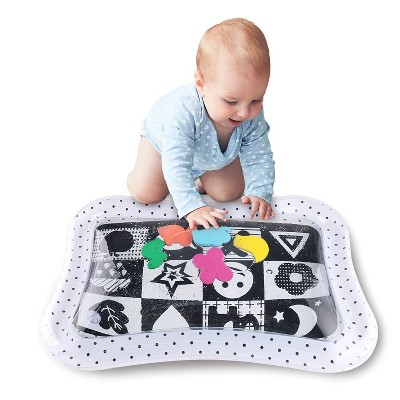
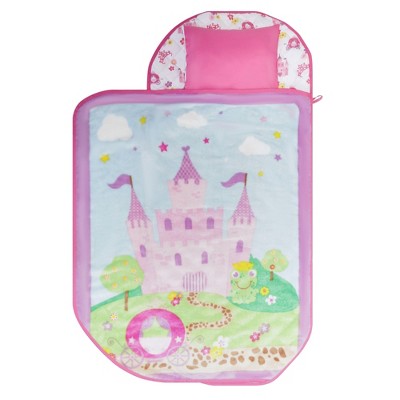
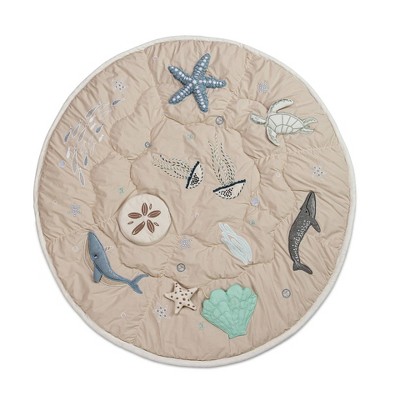
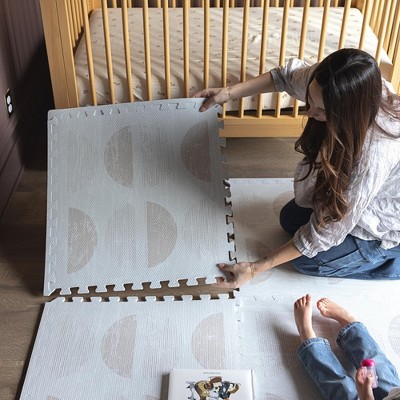
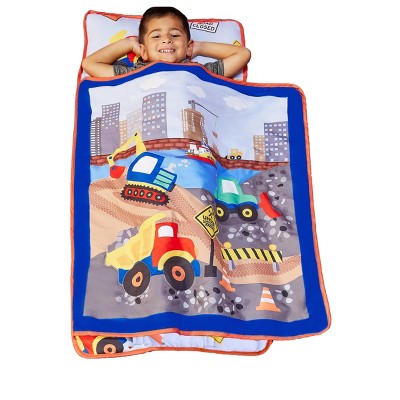
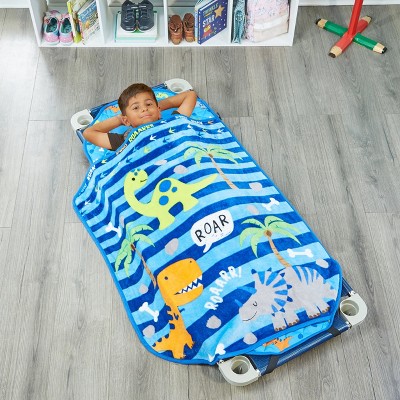
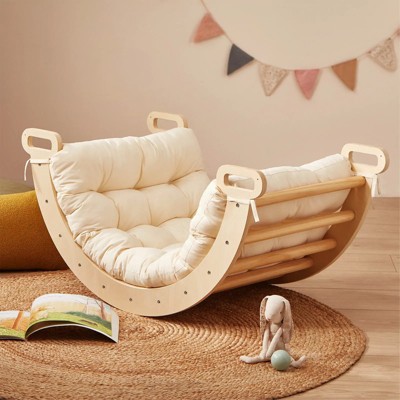
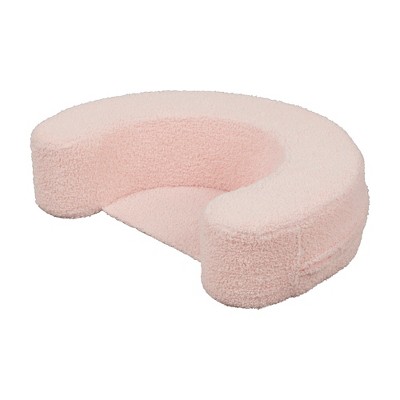
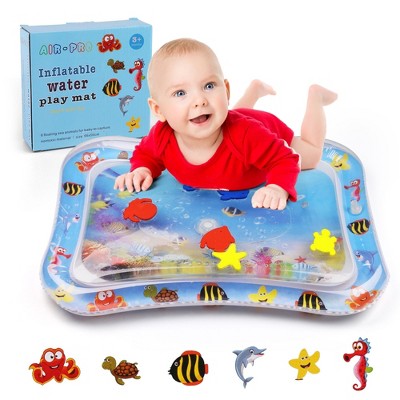
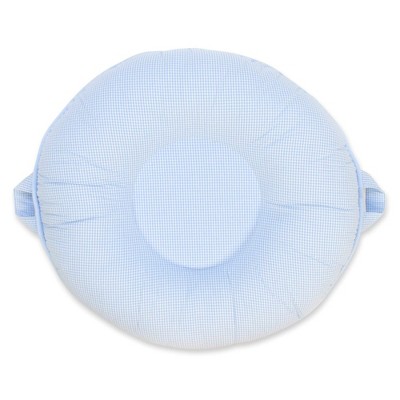
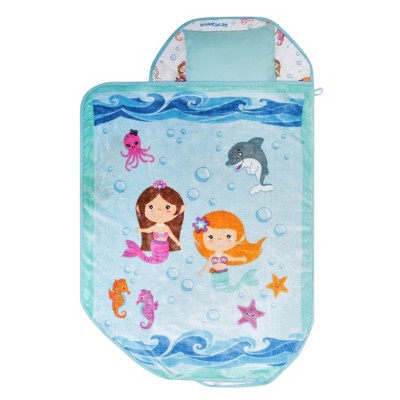
Sponsored
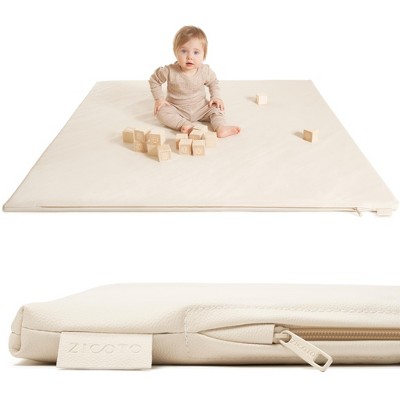
$59.99 - $64.99
reg $89.99
Sale


Loved for: easy to clean
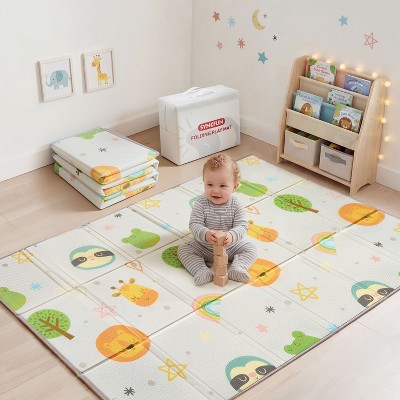
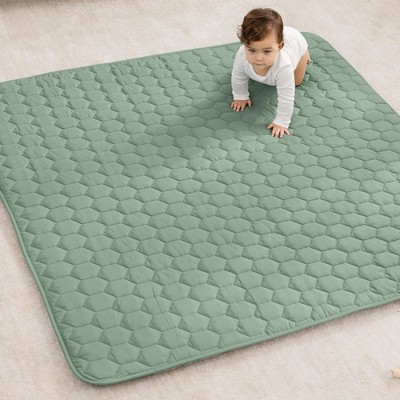
$39.99 - $79.99
Select items on sale


 + 1
+ 1Loved for: easy to clean
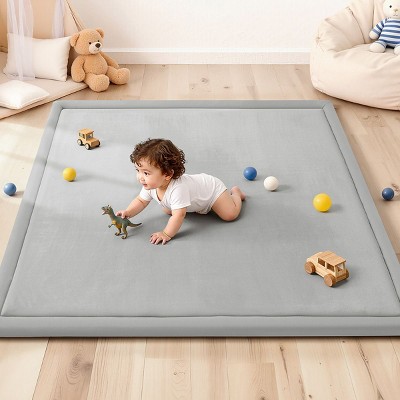

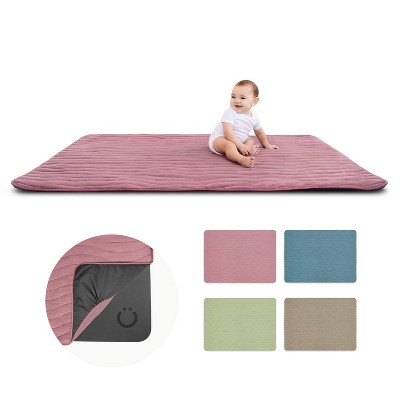
$79.99


Loved for: soft material
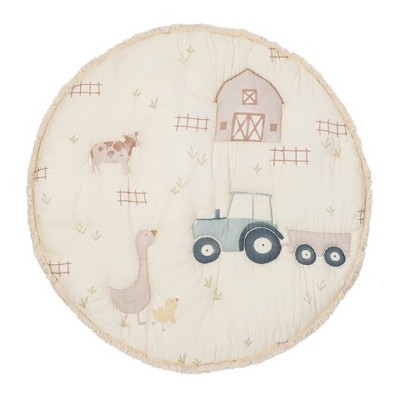


Related deals
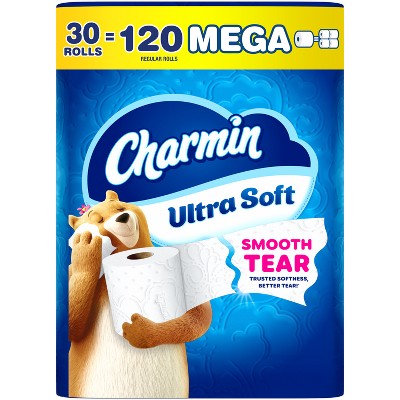
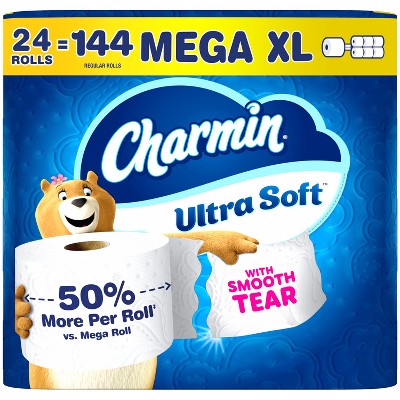
- Highly rated$4.99 - $33.49$5 Target GiftCard with 2 paper towels & toilet paper on select items4.7 out of 5 stars with 30319 ratings
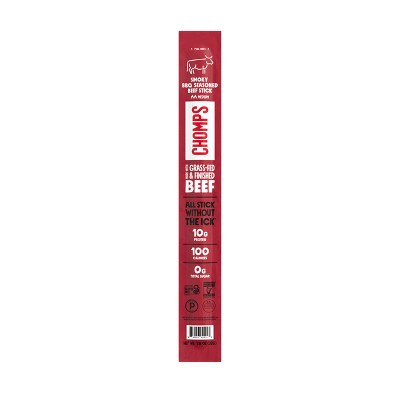
- Highly rated$2.69 - $18.49Buy 4 for $10 Chomps Snack Sticks meat sticks on select items4.6 out of 5 stars with 10178 ratings
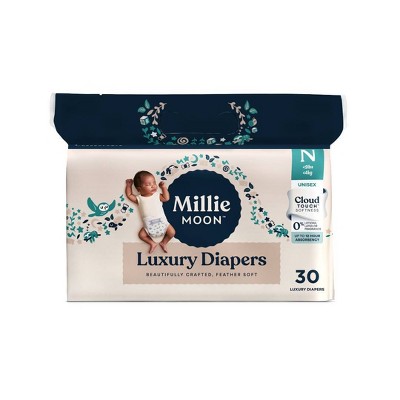
- Highly rated$8.99 - $49.99Buy 1 get 1 40% off Millie Moon wipes & diapers4.4 out of 5 stars with 32925 ratings
- $0.89Buy 14 for $12 Friskies wet cat food - 5.5oz4.7 out of 5 stars with 7615 ratings
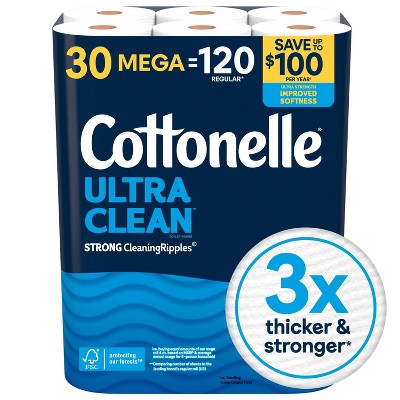
- Highly rated$6.99 - $26.99Buy 1, get 1 20% off Cottonelle toilet papers on select items4.6 out of 5 stars with 12243 ratings
- Highly rated$7.99 - $32.99$5 Target GiftCard with 2 paper towels & toilet paper on select items4.7 out of 5 stars with 16619 ratings
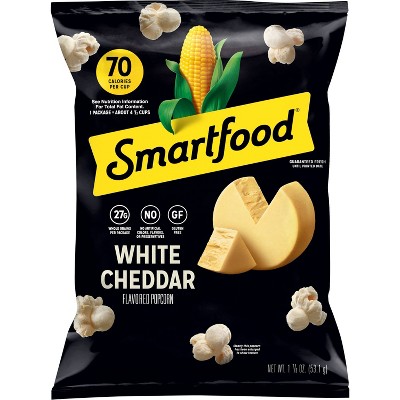
- Highly rated$2.79 - $6.69Buy 2 for $6 chips & dips on select items4.7 out of 5 stars with 3483 ratings
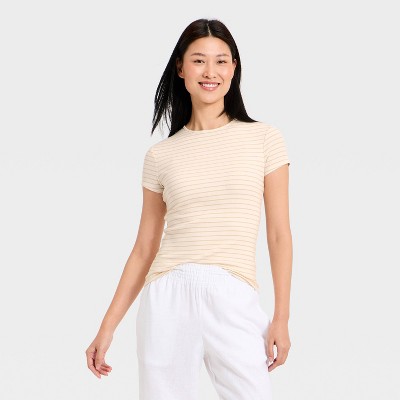
- $4.00 - $8.00Select items on clearanceBuy 3 for $20 women's tees & tanks on select items3.9 out of 5 stars with 966 ratings
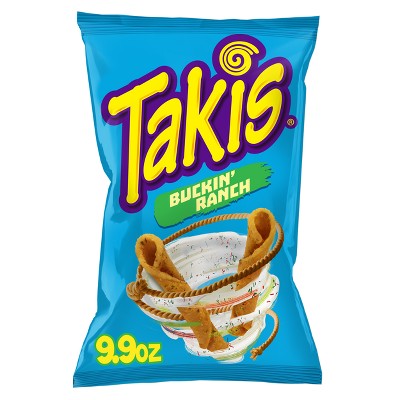
- Highly rated$4.29Buy 2 for $6 Takis corn sticks, potato & tortilla chips on select items4.5 out of 5 stars with 11584 ratings
- Highly rated$19.99 - $39.99$5 Target GiftCard with 2 paper towels & toilet paper on select items4.6 out of 5 stars with 4326 ratings
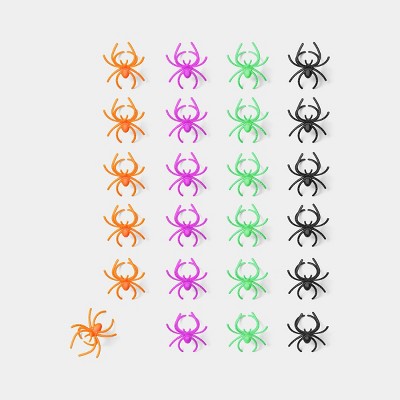
- Bestseller$1.00Buy 1 get 1 50% off Hyde and EEK! Boutique™ party favors4.5 out of 5 stars with 49 ratings
- $8.99 - $19.99Lower price on select itemsBuy 3, get 1 free on select beauty minis on select items4.7 out of 5 stars with 7640 ratings
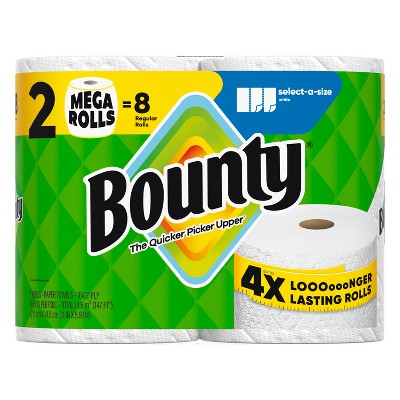
Sponsored
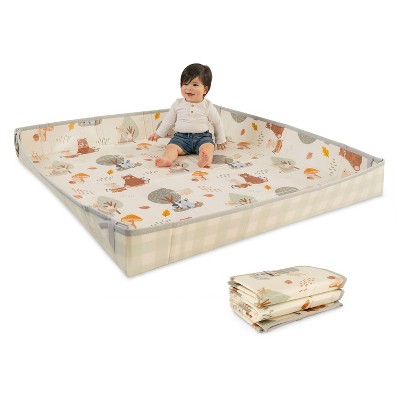
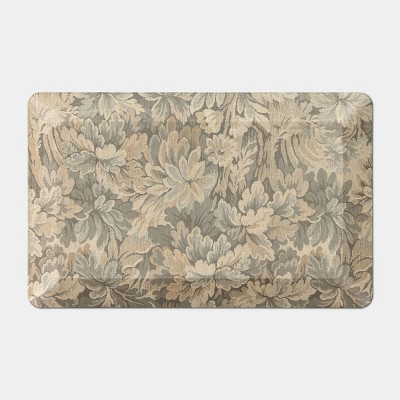




Sponsored