Target New ArrivalsBack to SchoolCollegeClothing, Shoes & AccessoriesHome & DecorKitchen & DiningOutdoor Living & GardenGroceryHousehold EssentialsBabyBeautyPersonal CareSports & OutdoorsHealthWellnessSchool & Office SuppliesToys & GamesElectronics & TechVideo GamesMovies, Music & BooksParty SuppliesGift IdeasGift CardsPetsUlta Beauty at TargetShop by CommunityTarget OpticalDealsClearanceNew ArrivalsBack to SchoolCollegeTop DealsTarget Circle DealsWeekly AdShop Order PickupShop Same Day DeliveryRegistryRedCardTarget CircleFind Stores

bass preamp pedal

615 results for “bass preamp pedal”

Sponsored

Related deals

Sponsored

Sponsored

Powered by AI

Guests also ask:

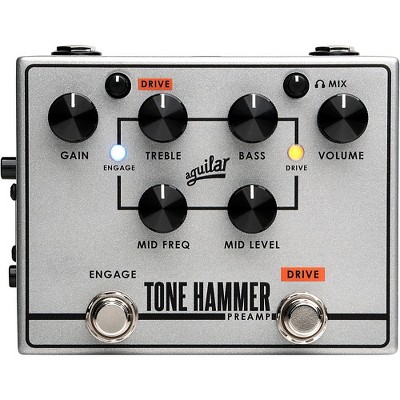
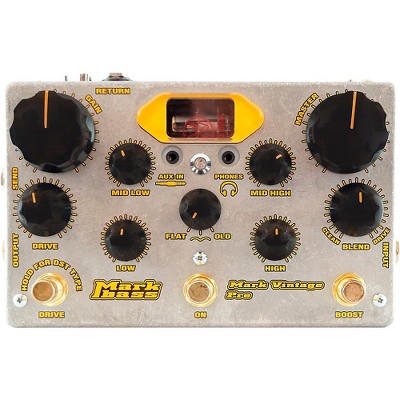
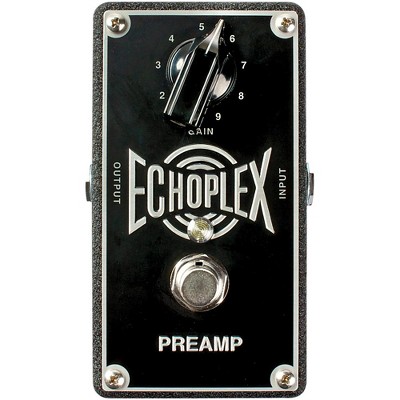
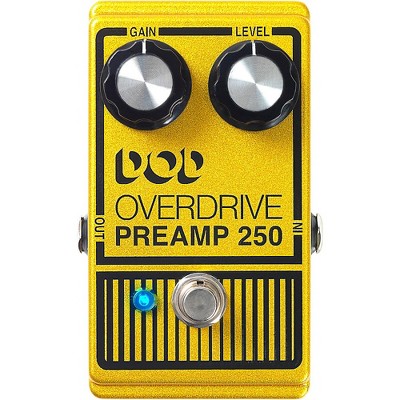
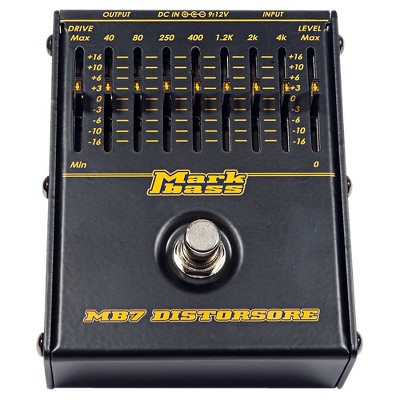
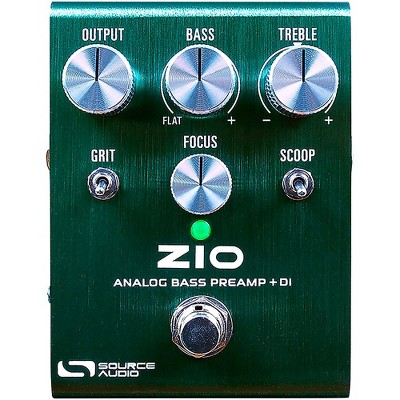
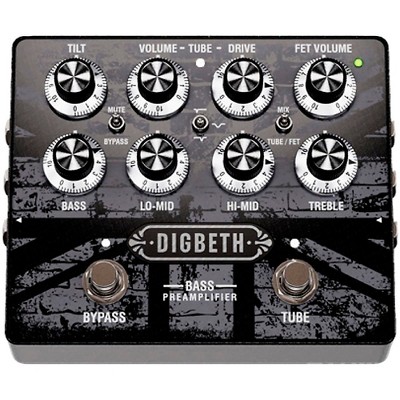
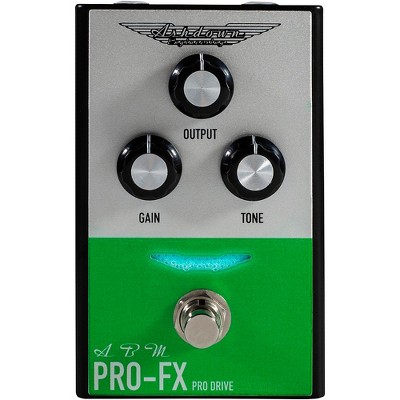
Bass preamp pedals commonly include drive/overdrive circuits that span valve‑style warmth to heavier distortion. Typical controls are gain (or drive), level, and mix to blend clean and driven signals, plus footswitches to engage or bypass the effect.

Many preamp pedals include a headphone output and an aux/line input, often with a dedicated headphone volume control. These let you practice silently and monitor directly from the pedal.

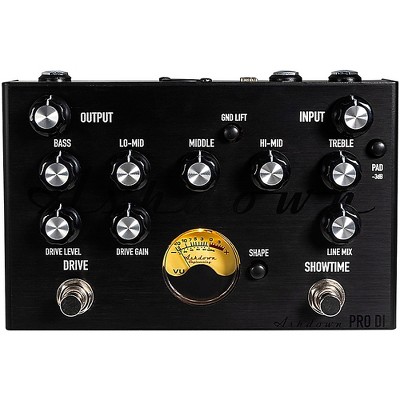
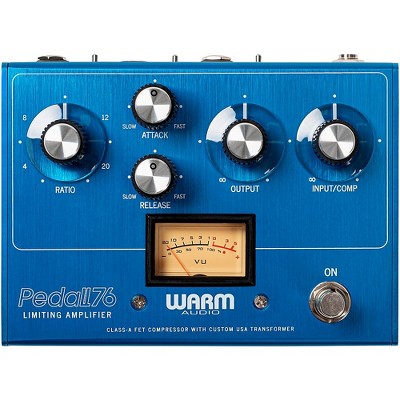
Preamp pedals typically provide input/output level controls plus dedicated gain and level knobs to set signal levels. Some models add onboard metering—single or dual VU meters—to help visualize gain structure and avoid clipping.

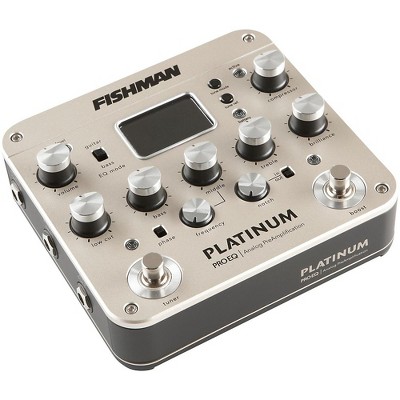
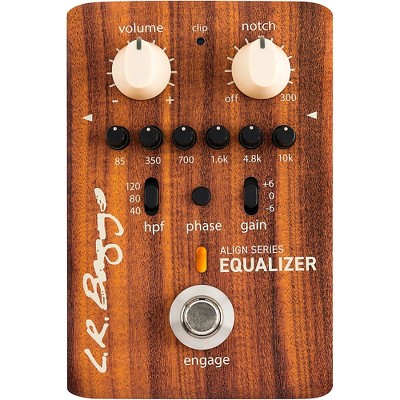
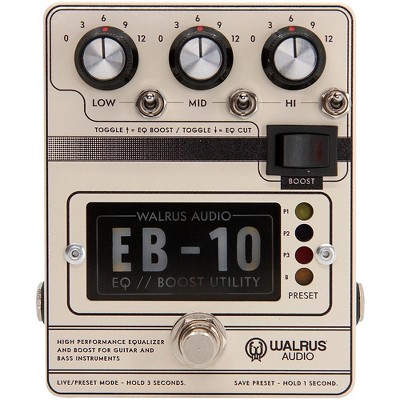
Mid controls vary from fixed mids to sweepable or parametric designs. Sweepable mids often cover roughly 180 Hz–1 kHz, while parametric mids commonly span about 250 Hz–2 kHz, with boost/cut ranges that can reach around ±12 dB.

Pedals use a mix of power methods: many run from a standard 9V DC supply (with some offering an internal or optional battery), a number specify 18V operation for extra headroom, and some designs do not use batteries at all. Check the product listing for the exact voltage and whether a battery is included or optional.

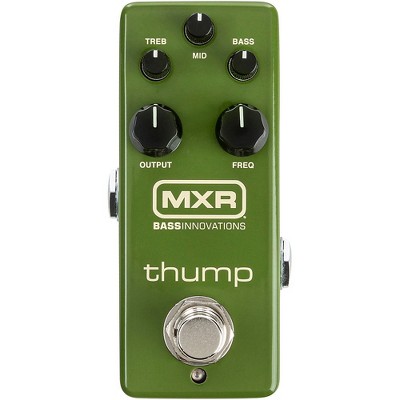
Listings show dimensions roughly 1.85–3.25" high, 2.83–6.5" wide and 4.8–8.6" deep, with weights around 0.59–3.6 lb. Compact stompbox sizes suit tight pedalboards, while larger/heavier units offer more controls but need more space and add weight.

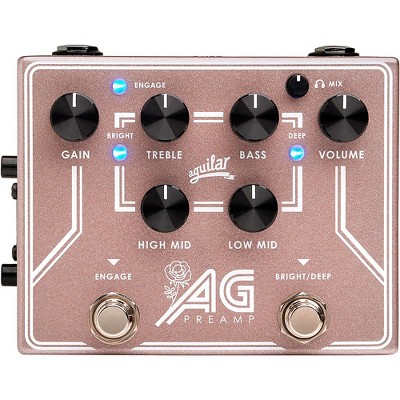
Common features include true‑bypass switching, footswitchable engagement for EQ or drive, multi‑position toggles or rotary switches for clipping/mode selection, and footswitchable shelving options often labeled 'Deep' or 'Bright'.

Get top deals, latest trends, and more.