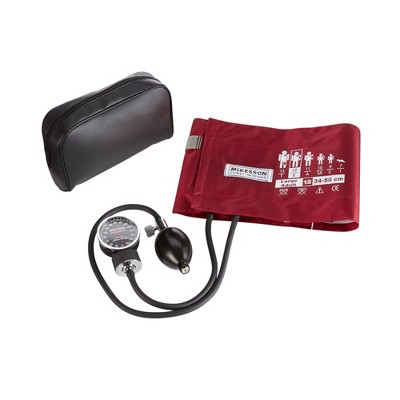
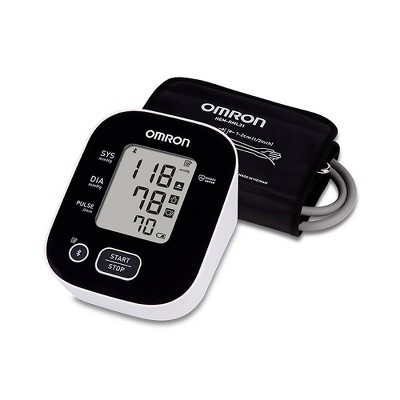
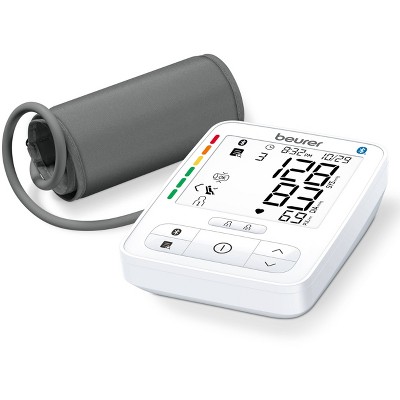
Storage varies by model but commonly ranges from about 60 to 120 readings. Some models store around 90 readings, while others offer 120 total entries or keep 60 readings per user on multi-user units.
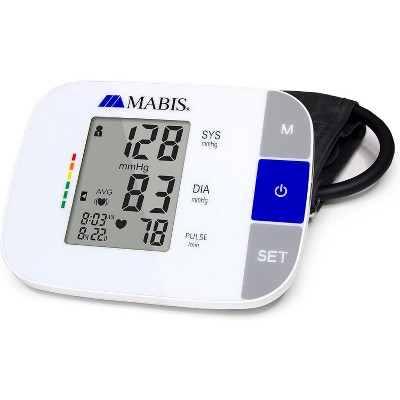
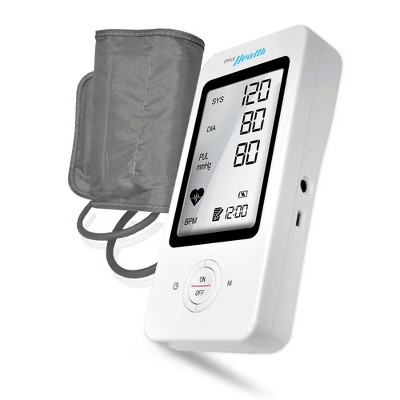
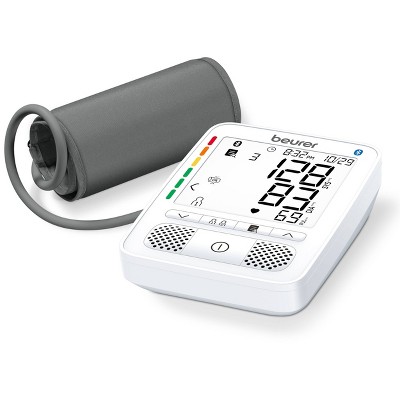
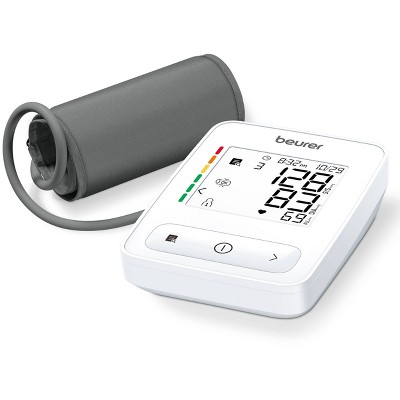
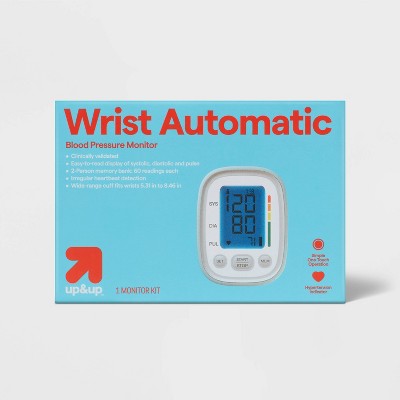
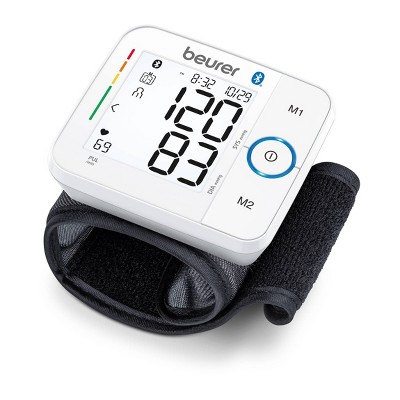
Wrist monitors usually show results on a backlit LCD screen and some include spoken (talking) readouts. Many automatically average the last three measurements and use color-coded indicators (e.g., green/yellow/red) to summarize risk or result ranges.
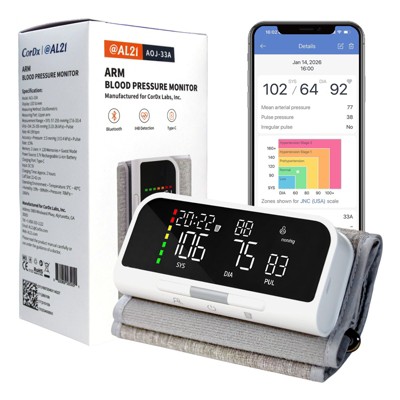
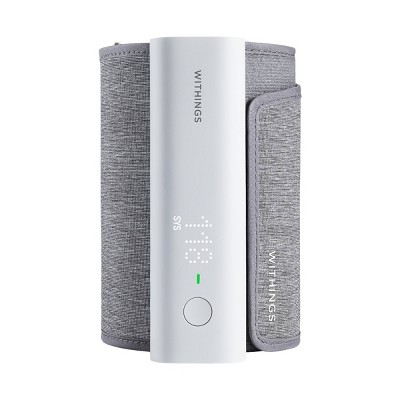
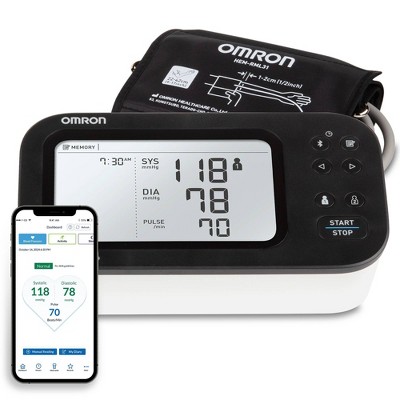
Some wrist monitors include Bluetooth to sync measurements with companion smartphone apps. When supported, the app stores historical data and may let you review or share readings from your phone.
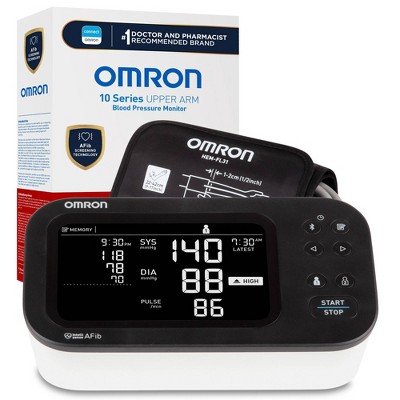
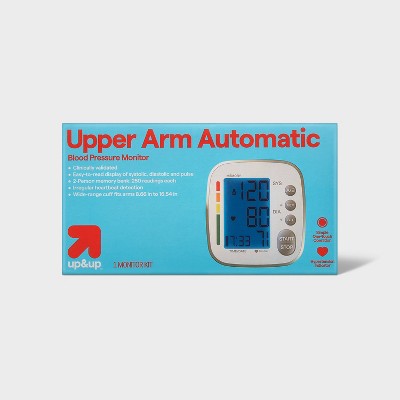
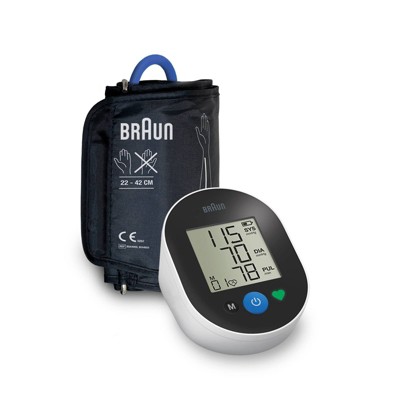
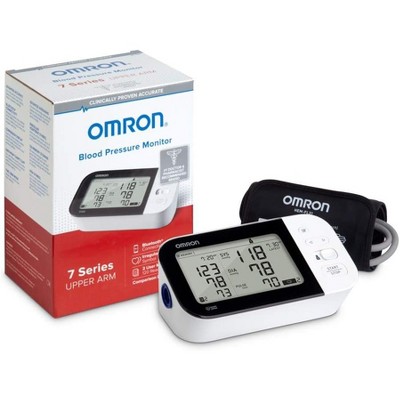
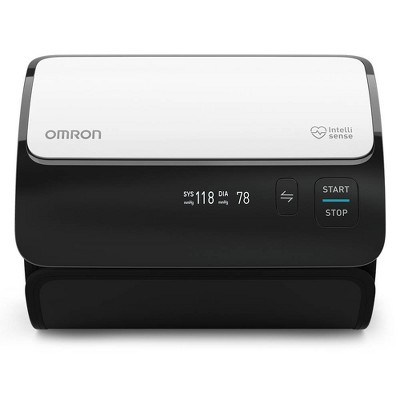
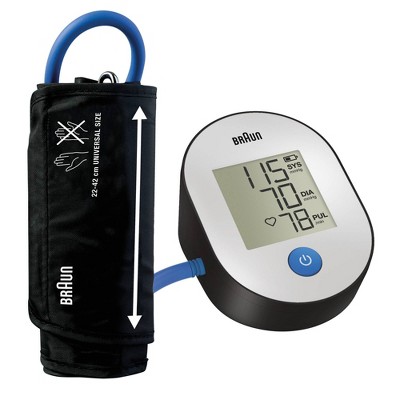
They typically display systolic and diastolic blood pressure plus pulse (heart rate). The screen usually labels each value (systolic/diastolic/pulse) for clarity.
Cuff fit depends on the model. Many wrist cuffs start near 5.3 inches (13.5 cm) in circumference; documented upper limits vary — for example, some units list 5.3–7.7 inches and others 5.3–8.5 inches. Check the model’s stated cuff range before buying.
Many models detect irregular heartbeats during measurement. Devices typically indicate this with a symbol or message on the display and some record the event with a date/time stamp for review.
It varies by model. Some monitors support two-user memory and can store up to 120 readings, while others are single-user devices with examples showing up to 90 stored readings.
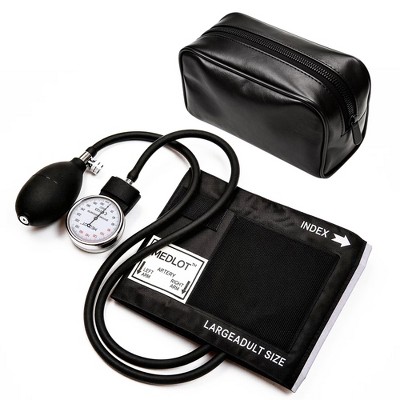
Many units ship as compact kits that include the wrist cuff and monitor, a carrying or storage case, and printed documentation (manual or quick-start guide). Some packages also include batteries — check the listing to confirm.