Target New ArrivalsBack to SchoolCollegeClothing, Shoes & AccessoriesHome & DecorKitchen & DiningOutdoor Living & GardenGroceryHousehold EssentialsBabyBeautyPersonal CareSports & OutdoorsHealthWellnessSchool & Office SuppliesToys & GamesElectronics & TechVideo GamesMovies, Music & BooksParty SuppliesGift IdeasGift CardsPetsUlta Beauty at TargetShop by CommunityTarget OpticalDealsClearanceNew ArrivalsBack to SchoolCollegeTop DealsTarget Circle DealsWeekly AdShop Order PickupShop Same Day DeliveryRegistryRedCardTarget CircleFind Stores

letter sounds chart

1,000+ results for “letter sounds chart”
Sponsored
Related deals

Sponsored
Sponsored
Powered by AI

Guests also ask:

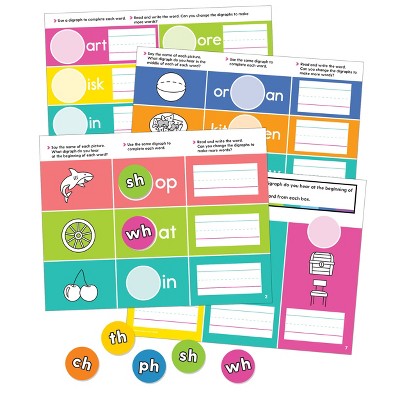
Phonics card sets typically separate grapheme/photo cards (showing a spelling with an image) from spelling cards that list alternative spellings for the same sound. Many sets also include leveled cards and visual mnemonics that link each grapheme to its phoneme, making spelling‑to‑sound patterns explicit and easier for students to remember.

Some letter‑sound card packs include handwriting guidance—often printed on the reverse of early‑letter cards—and separate cards for teaching capital‑letter formation. This supports simultaneous practice of letter formation and sound recognition; check the product description to confirm which cards include formation guidance.

Typical reusable phonics mats measure about 10 × 14 inches. Tile sizes vary by product but commonly appear in approximate dimensions such as 1½" × 1" or 1" × ¾". Exact sizes differ between sets, so check the product specs for precise measurements.

Common sizes include 9 × 12 inches for dry‑erase practice sheets, 11 × 14 inches for phonics posters, and larger bulletin pieces around 16 × 24½ inches. Exact dimensions vary by product and format, so check the product page for precise measurements.

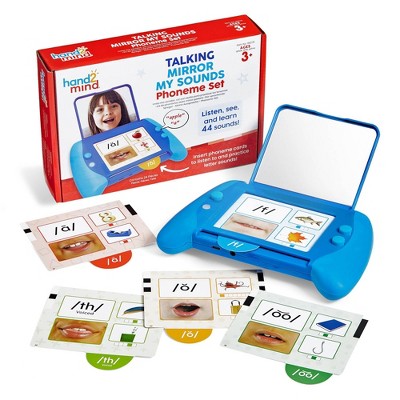
Counts vary widely—from small packs of roughly 9–10 pieces to large classroom kits of around 199 pieces. Some classroom kits also provide internal breakdowns (for example, 44 phoneme cards, 45 grapheme/photo cards, and 80 alternative‑spelling cards).

These materials target early learners—typically preschool through early elementary. Example age suggestions in product descriptions range from about 3 years old up to around 10 years, covering preschool, kindergarten, and early primary grades.

Kits often include a Getting Started Guide and blackline masters for consonant/vowel organization, header/category cards, phoneme and grapheme cards, alternative‑spelling cards, and write‑on/wipe‑off cards to support setup and lesson activities.

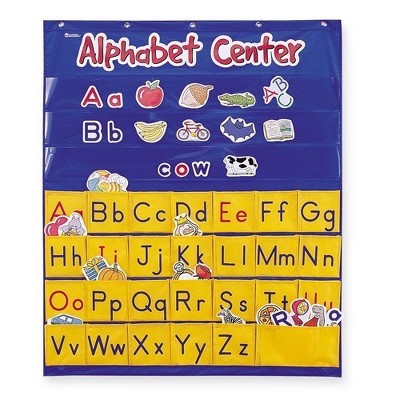
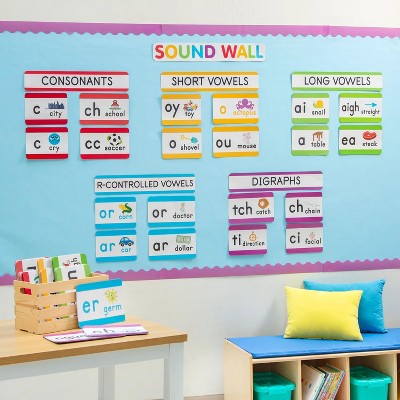
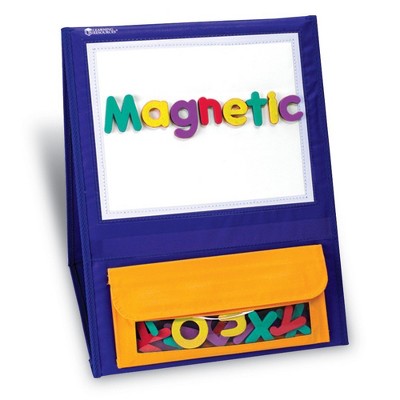
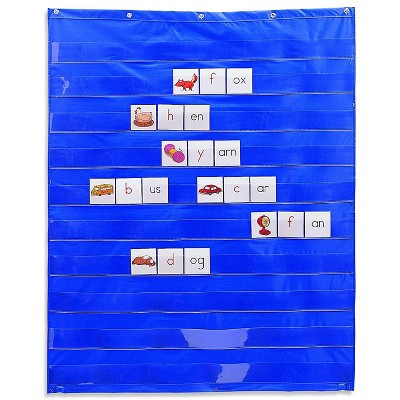
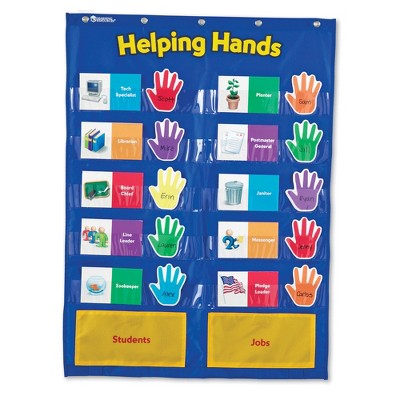
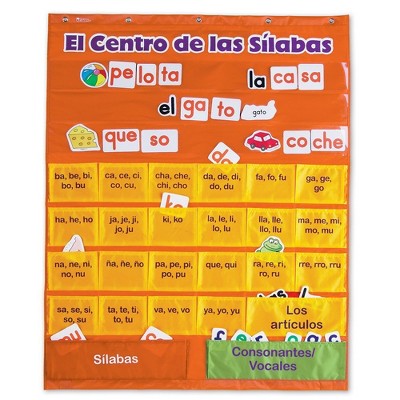
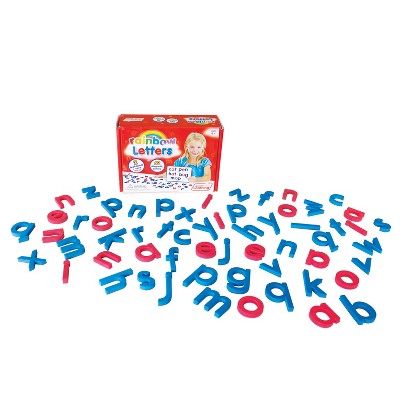
Common classroom display formats for quick sound reference include bulletin‑board cutouts for sound walls, phonics posters, double‑sided or tabletop pocket charts, compact card rings for organized sound cards, and tile‑and‑mat layouts suitable for hands‑on practice.

Get top deals, latest trends, and more.