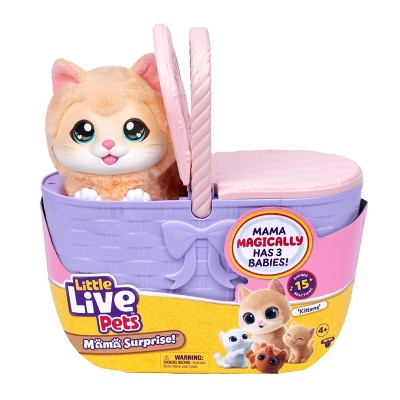
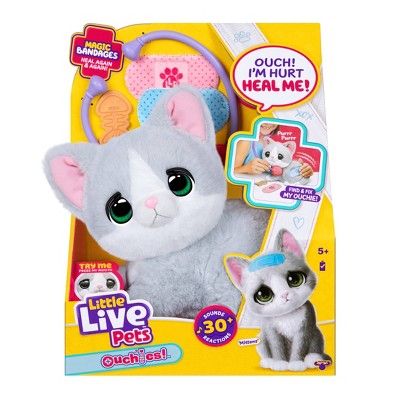
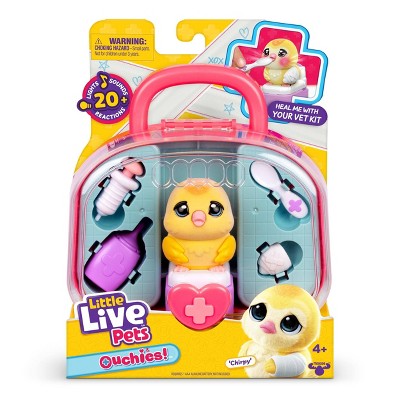
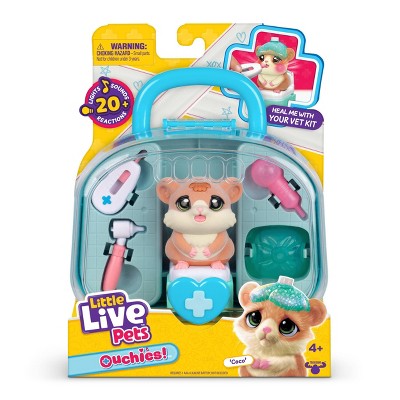
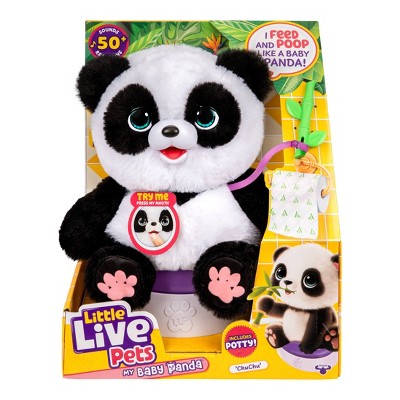
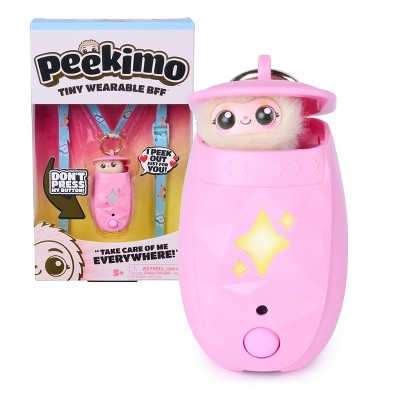
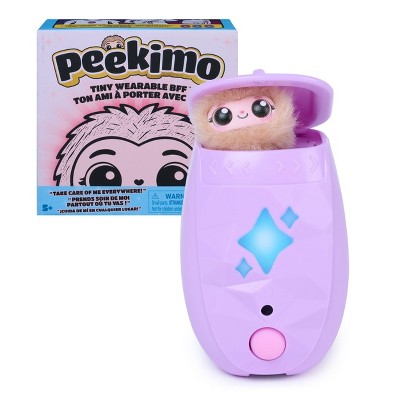
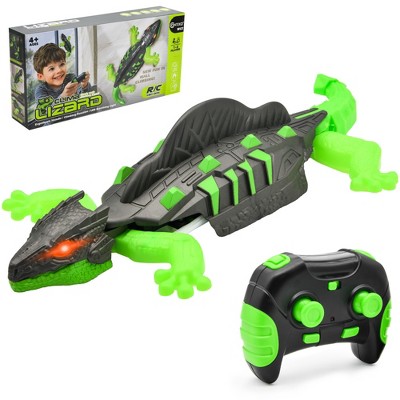
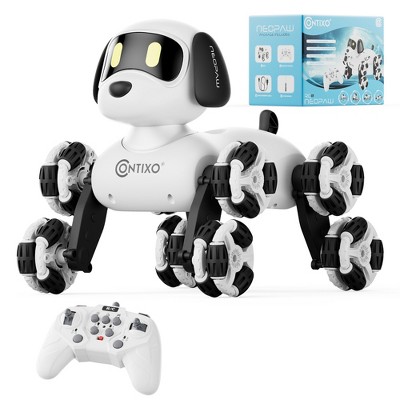
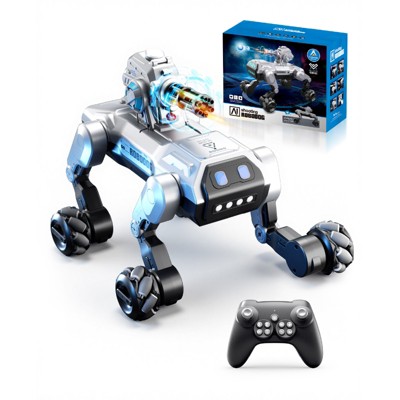
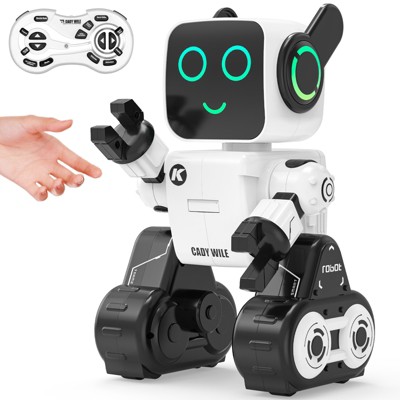
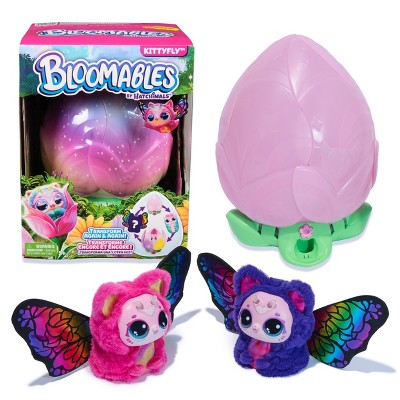
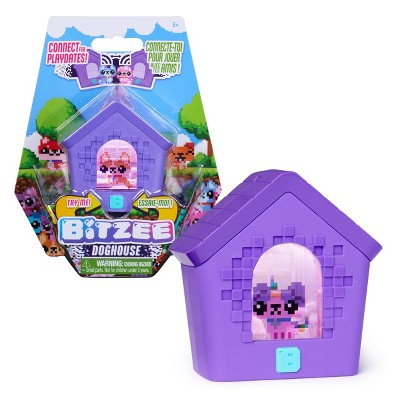
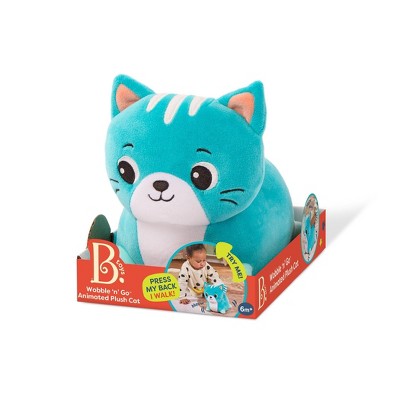
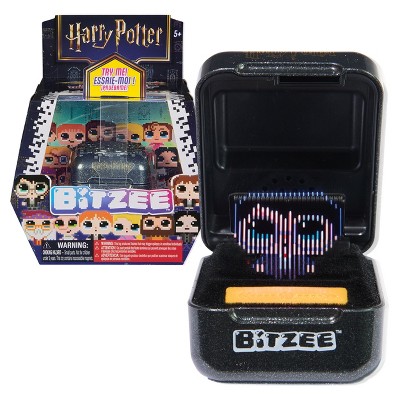
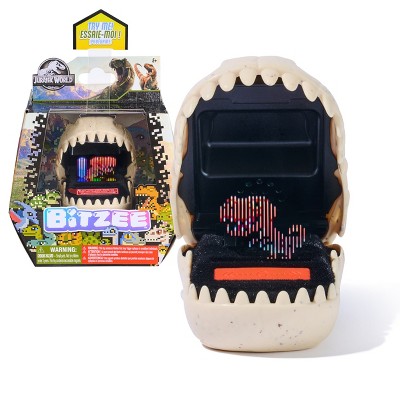
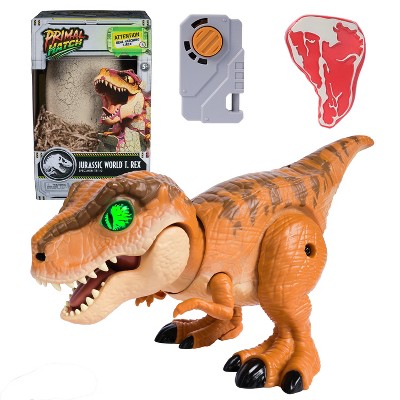
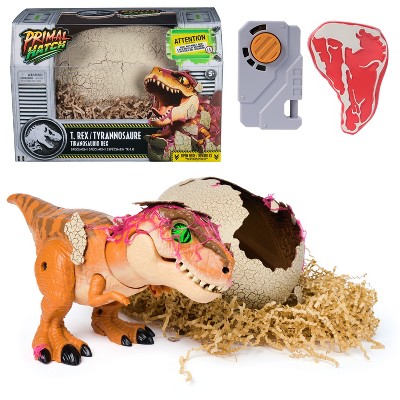
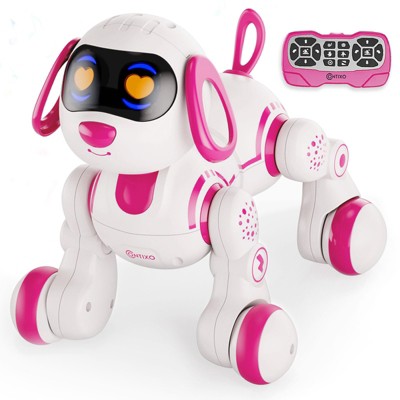
Labels vary by product, ranging from "1 Year and Up" to "5 Years and Up." Many realistic pet toys are commonly labeled "3 Years and Up," but always check the individual product label for the recommended minimum age.
Realistic robotic pet toys use a mix of power options: some require no batteries (simple plush), others use small button cells (e.g., LR44), and many use standard household cells such as AAA or AA. Product listings may indicate batteries required, batteries included, or batteries pre-installed—check the item details before purchasing.
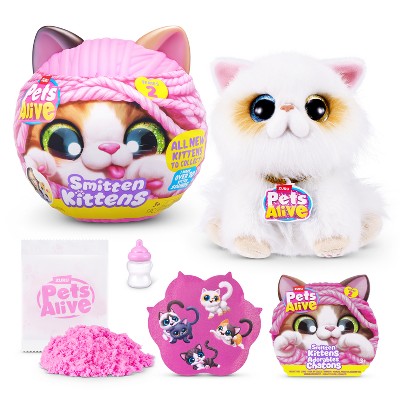
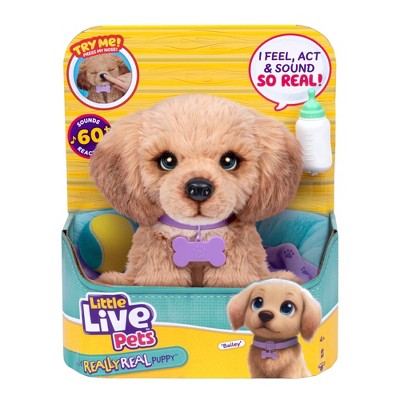
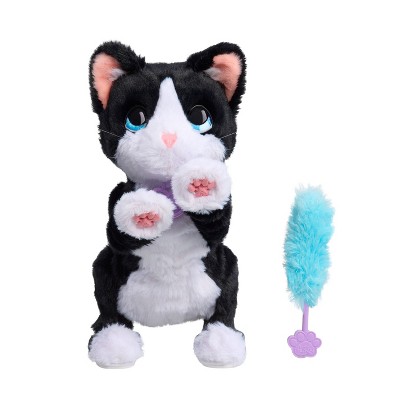
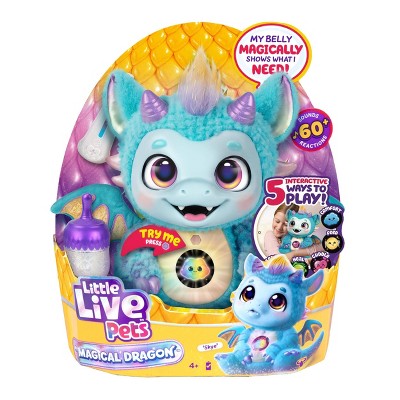
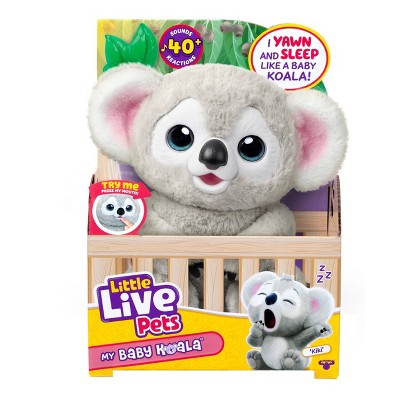
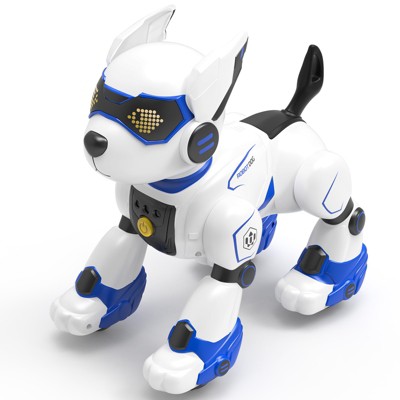
Realism varies by model. Some toys provide a handful of lifelike sounds (about 10 for certain kitten toys), while more advanced interactive models can offer dozens of sounds and reactions (examples show 60+ for some puppy toys). Many product summaries highlight multiple realistic sounds and functioning audio—review the product details for exact counts.
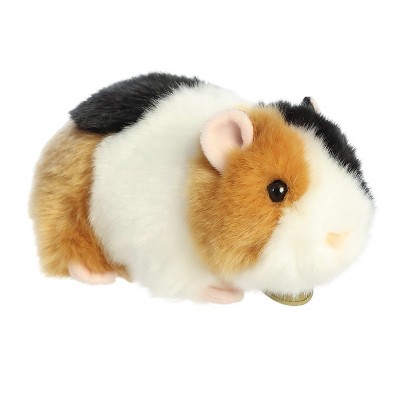
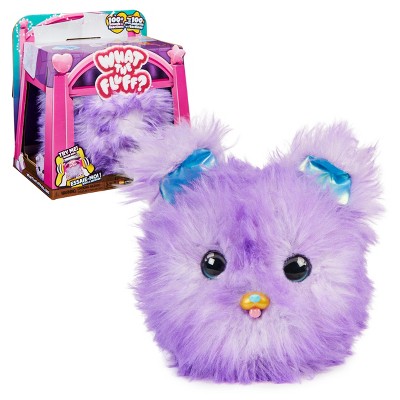
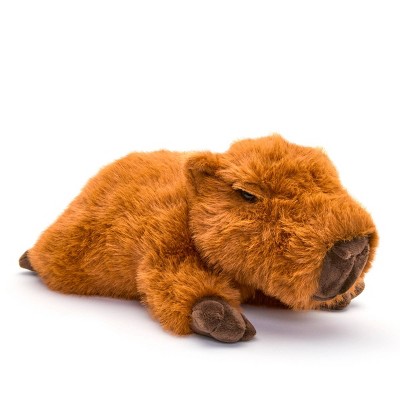
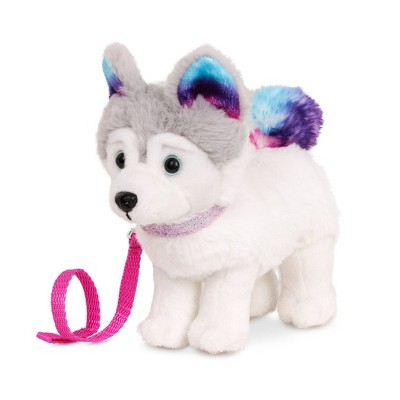
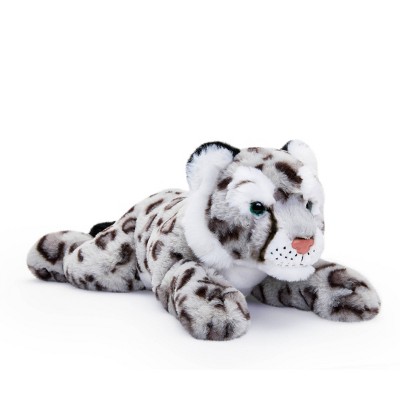
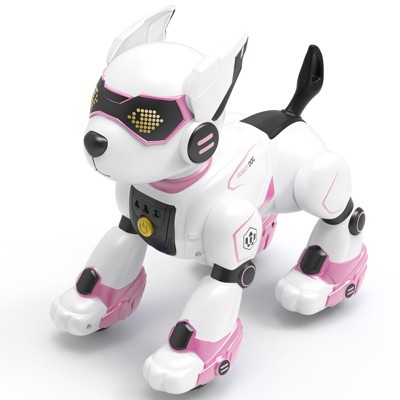
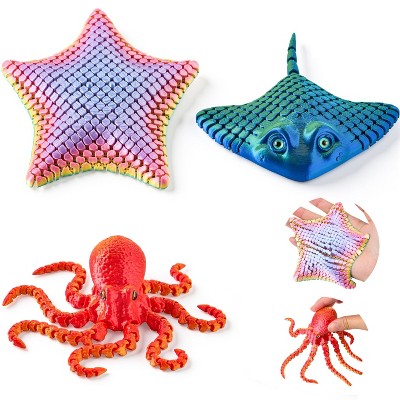
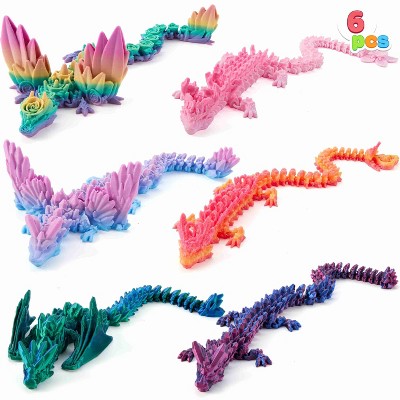
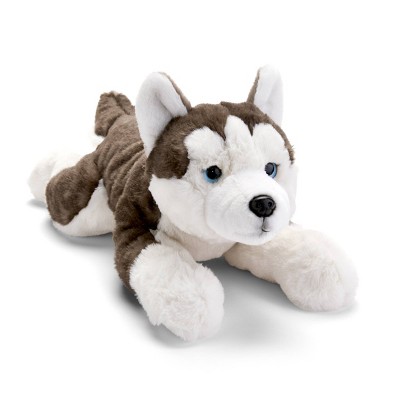
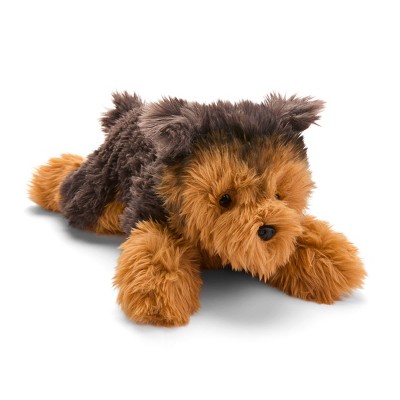
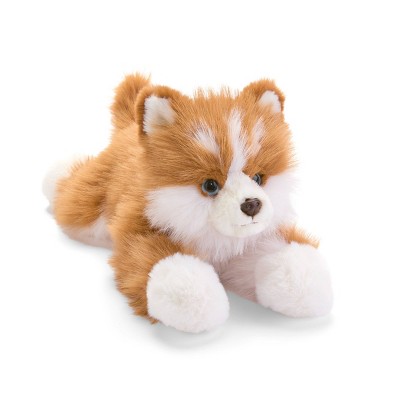
Realistic pet toys are commonly made from soft materials like polyester and plush fabric for a furry feel, and from various plastics (generic plastics or ABS) for robotic or figure-style pets. Many products combine plastic components with fabric coverings for a mix of durability and softness.
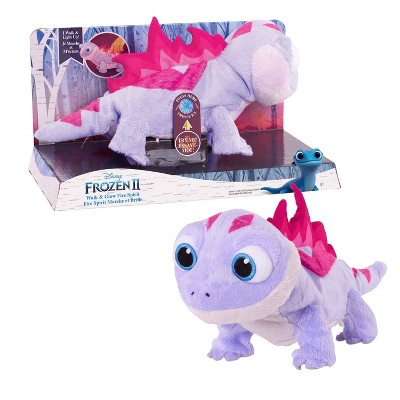
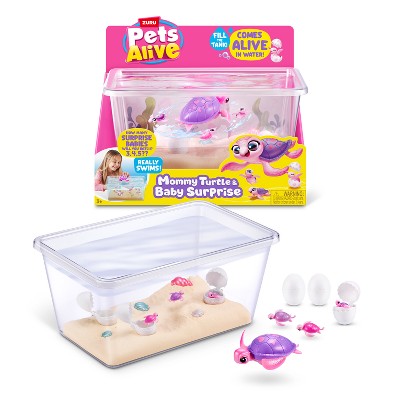
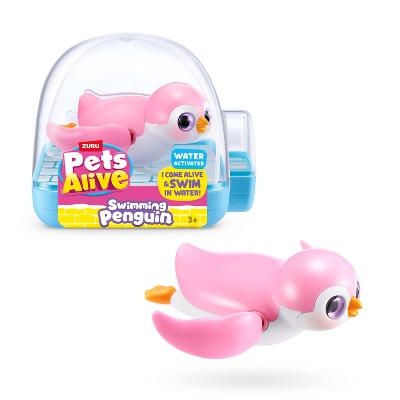
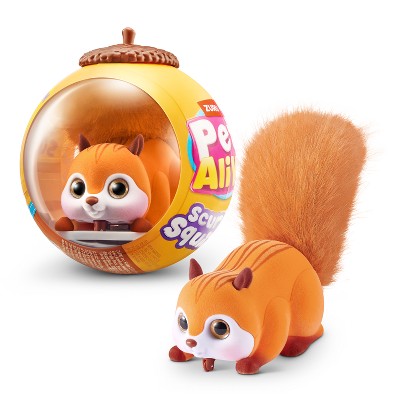
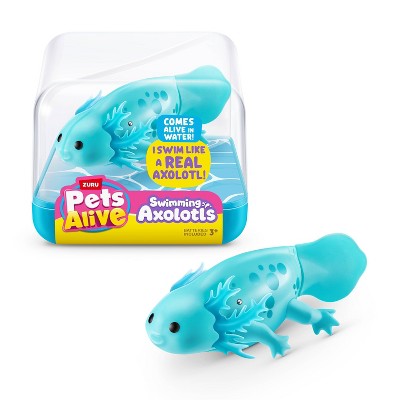
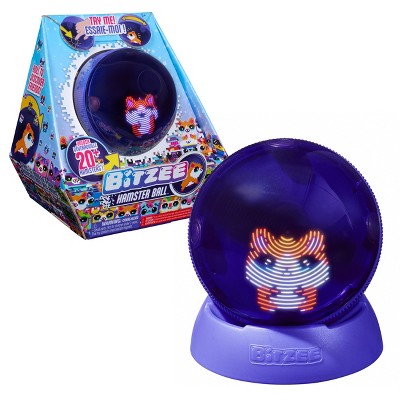
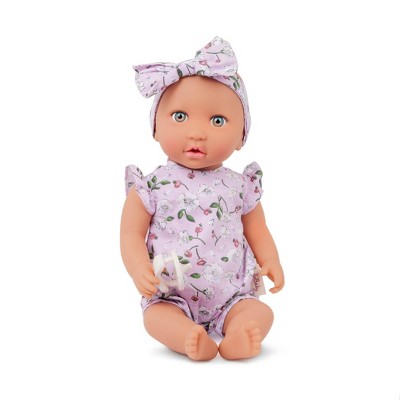
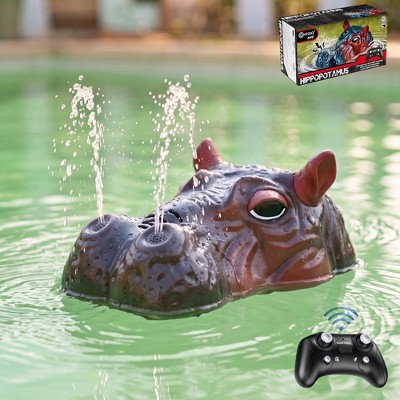
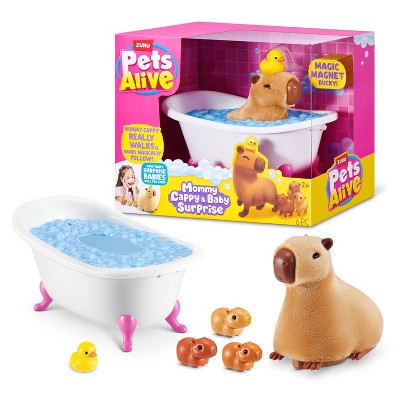
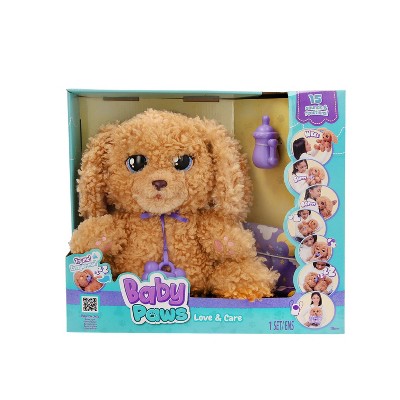
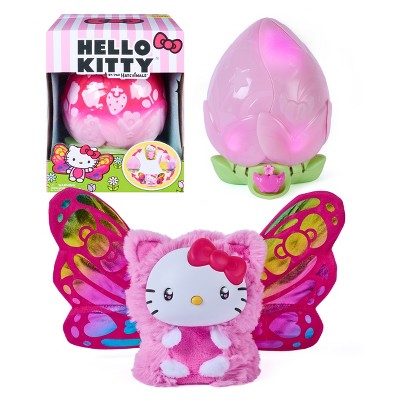
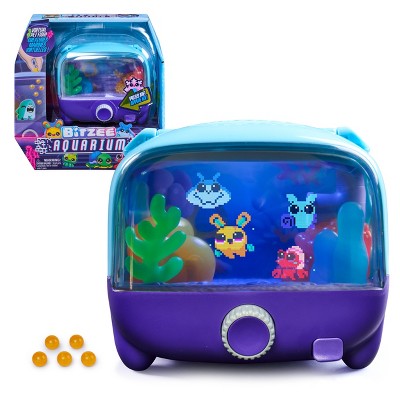
These toys offer a variety of lifelike behaviors, including water-activated swimming, slithering or crawling, pat-activated scurrying, touch sensors that respond to petting, feeding interactions (e.g., with a bottle), and lifelike sounds or blinking-eye reactions.
Common activation methods include water activation, pat or head activation, touch sensors (on the head or back), feeding-bottle activation, and motion/tilt/shake triggers. Check the product description for the specific activation method used by each toy.
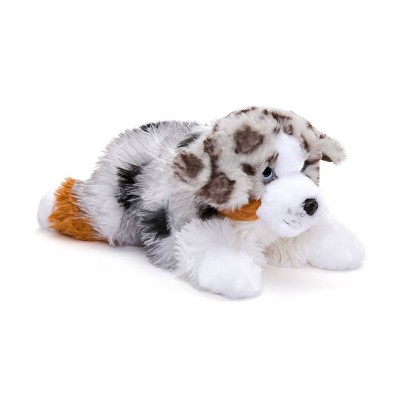
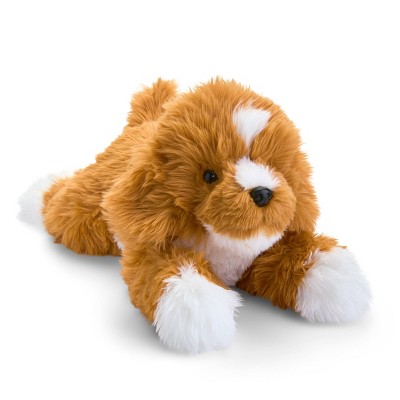
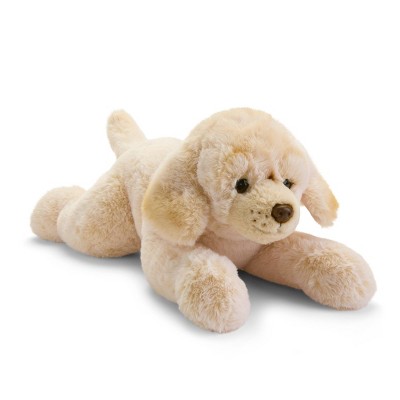
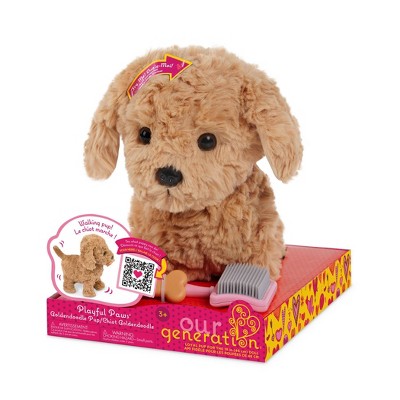
Typical lifelike features include realistic or super-soft fur, detailed or blinking eyes, weighted paws, floppy ears and natural sitting poses, and lifelike sounds such as purrs or other vocal reactions.