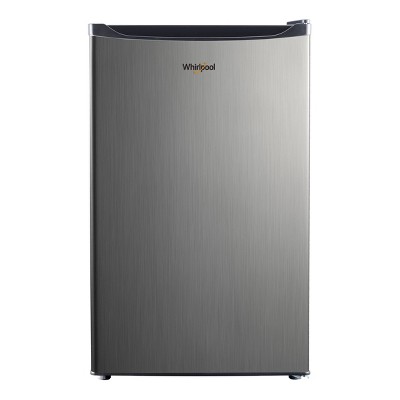
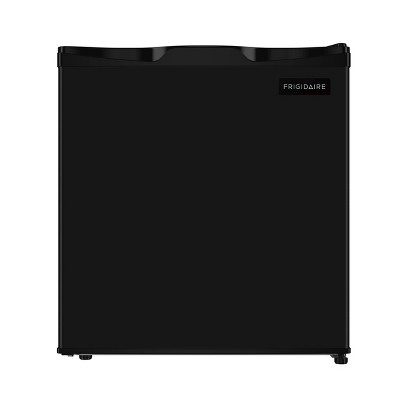
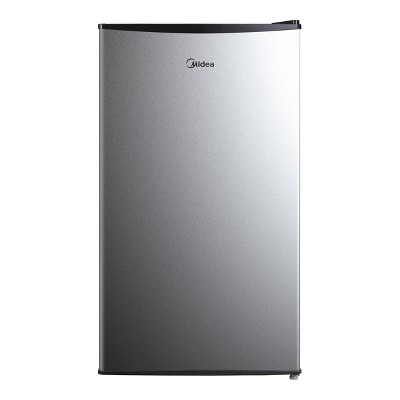
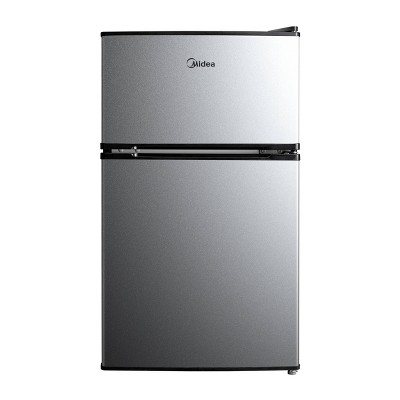
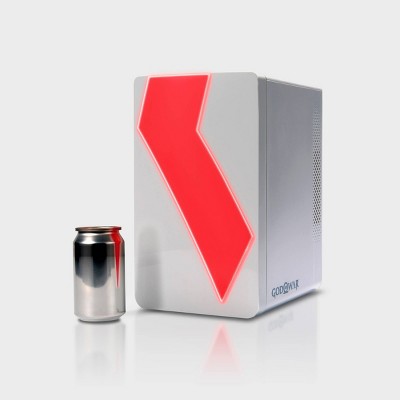
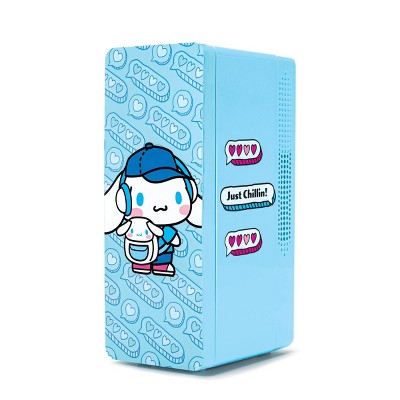
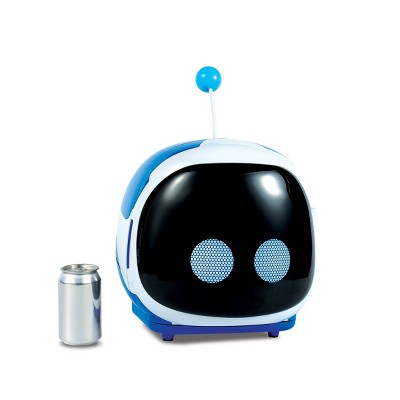
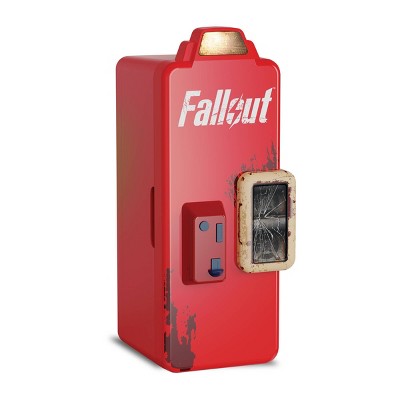
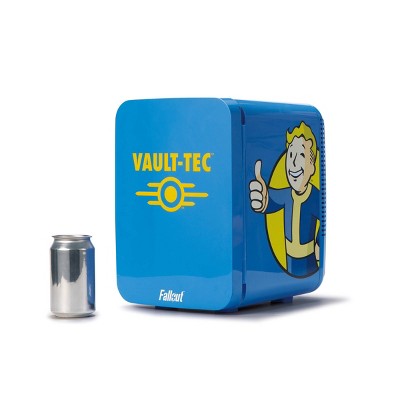
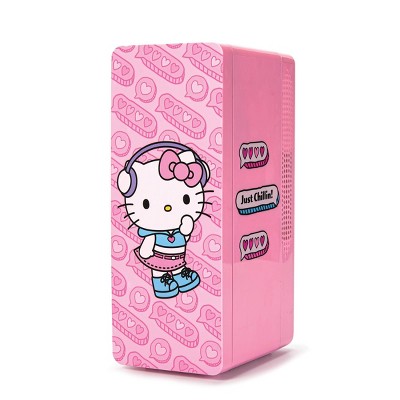
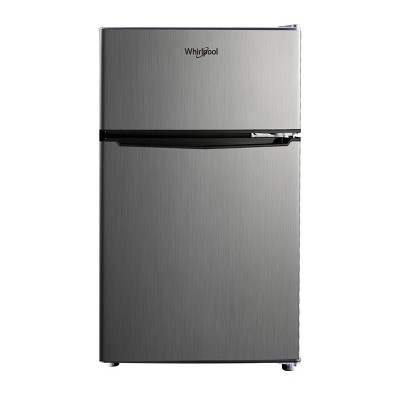
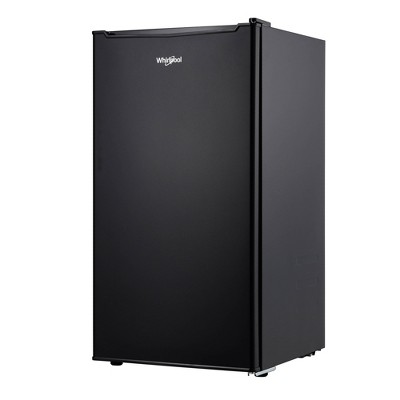
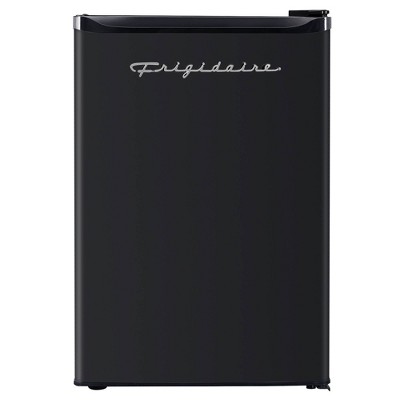
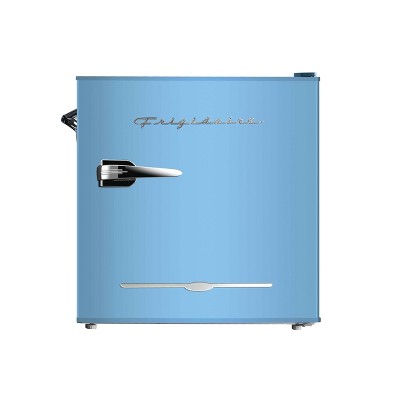
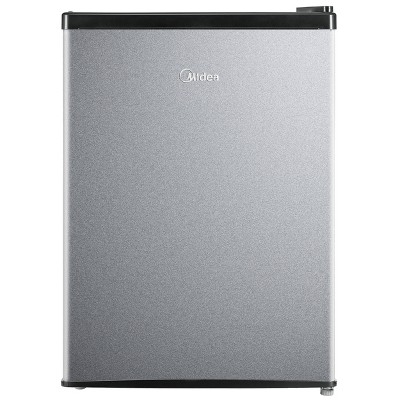
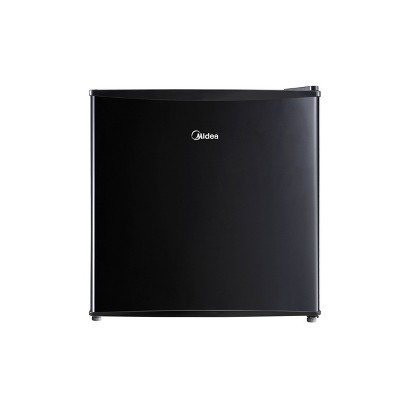
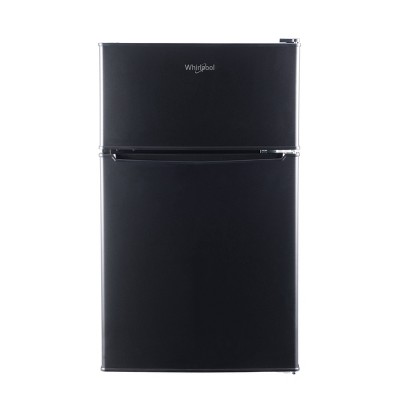
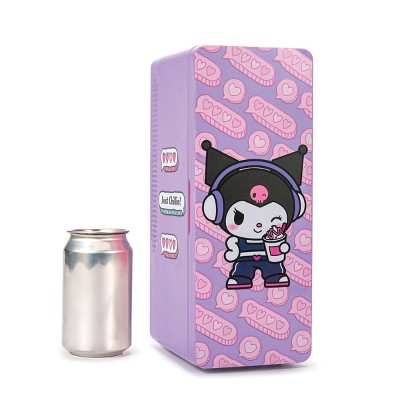
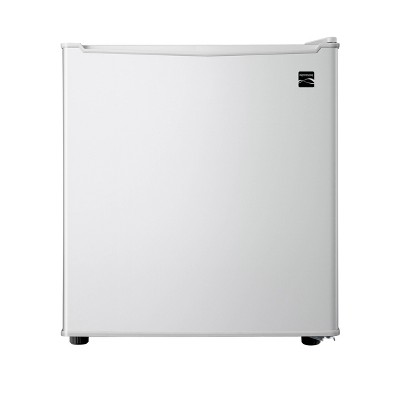
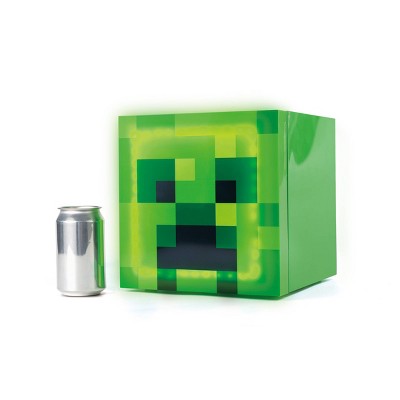
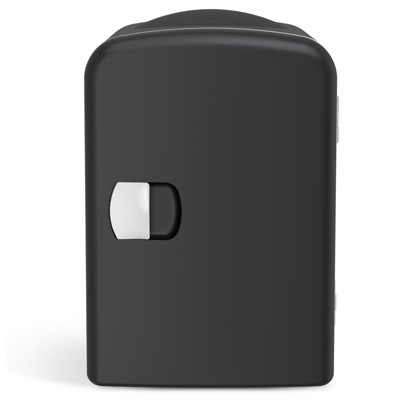
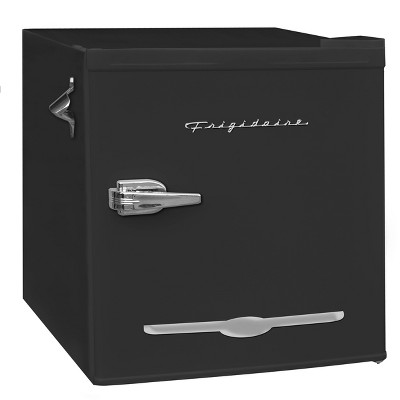
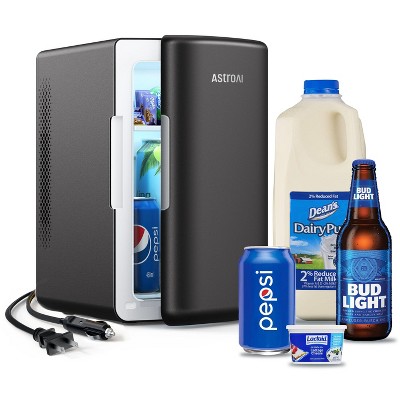
Thermoelectric refrigerators range from very small personal coolers to multi‑cubic‑foot units. Listed internal volumes run roughly from about 0.14 cu ft up to around 6 cu ft. For beverage-focused models, bottle and can capacities vary widely — from a few bottles or cans in compact units to listings that report capacities as high as about 66 wine bottles in larger coolers.
Door styles include reversible doors, fixed right‑hinge doors, and flip‑up lids; door materials are typically glass or plastic. Shelving ranges from a single shelf in the smallest models up to a dozen shelves in larger units. Wine coolers often use removable, slide‑out wooden shelves to store bottles securely.
Reported power draw for thermoelectric refrigerators in the listings ranges roughly from about 40 watts up to around 100 watts. Larger coolers tend toward the higher end of that range while compact personal units report lower figures; actual wattage depends on model size and design.
Most models use digital controls with LED or digital displays (for example, "digital touch controls with LED display"). Common features include precise temperature adjustment (examples note 1°F increments) and power‑failure memory to retain settings. Controls and displays vary by model, so check the product listing for exact features.
Listings report coldest temperatures in two ways: absolute minimums and cooling relative to ambient room temperature. Example absolute minimums from listings include about 16.5°F, 28°F, 34°F and 40°F. Other descriptions state cooling as a delta below ambient, such as 15–20°C below ambient or 20–32°F below room temperature. Check whether a listing gives an absolute temperature or a relative cooling figure when evaluating performance.
Some listings show third‑party safety certifications such as ETL or CETLus, while other entries explicitly state "No Certifications." Certification presence varies by model, so check the product listing or label to confirm which certifications (if any) apply.
Product descriptions commonly report low vibration and quiet operation, with manufacturer‑stated noise levels around 41–43 dB in the listings. Some user reviews or summaries note occasional fan noise for certain models, so check both specs and customer feedback if quiet operation is important.
Cooldown time is often not specified in listings, but some product descriptions state a quick cool‑down — for example, reaching the minimum temperature in less than 40 minutes. If cool‑down speed is important, look for explicit cooldown claims or test data on the product page.