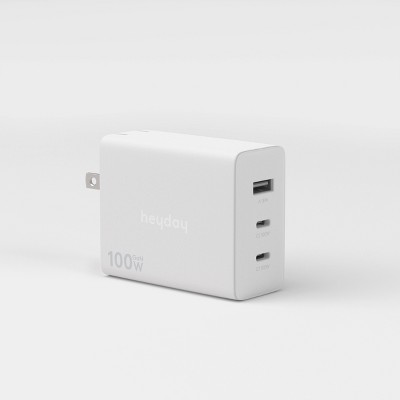
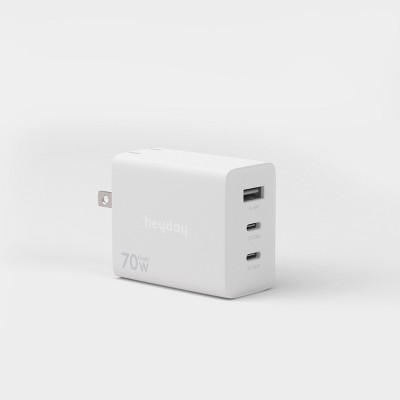
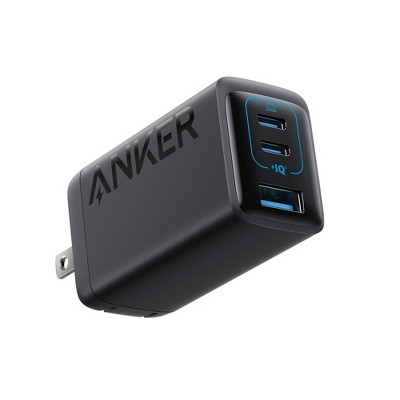
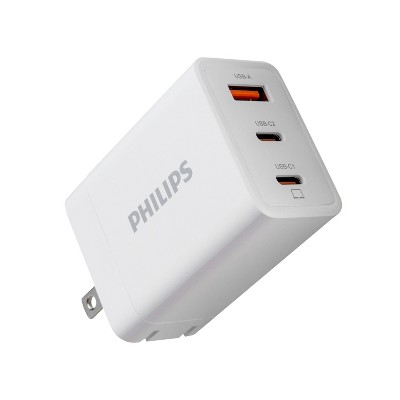
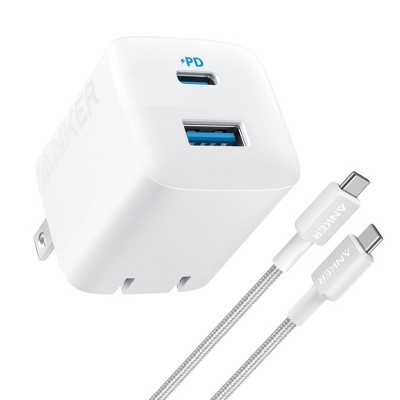
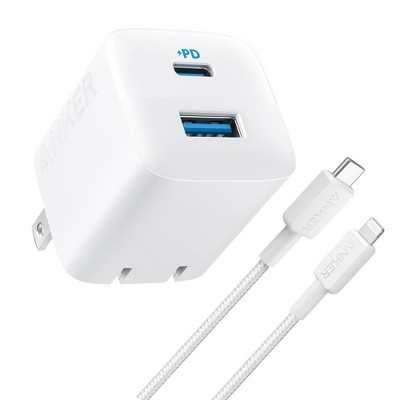
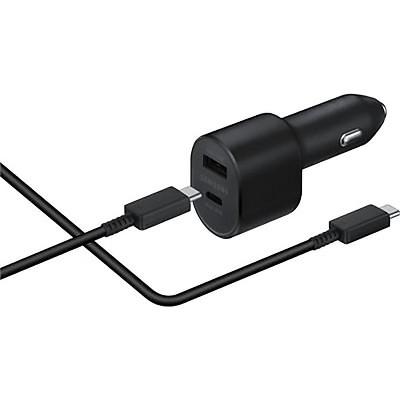
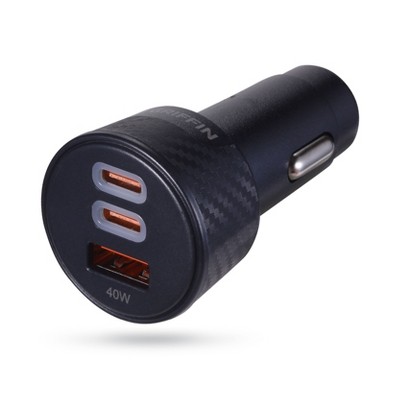
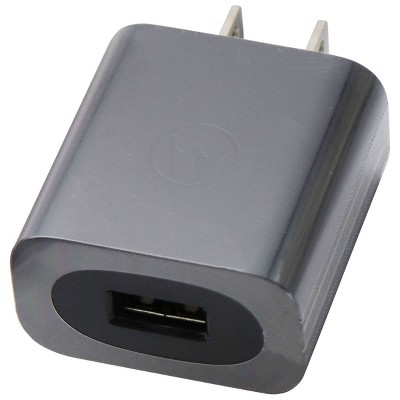
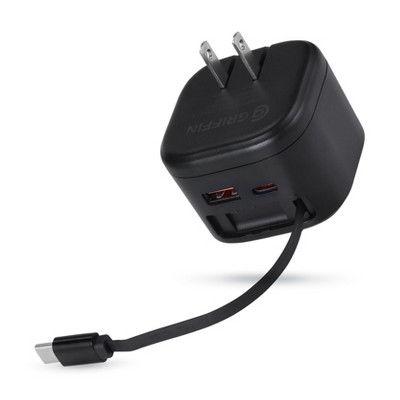
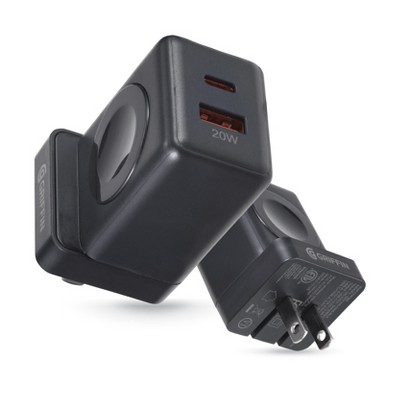
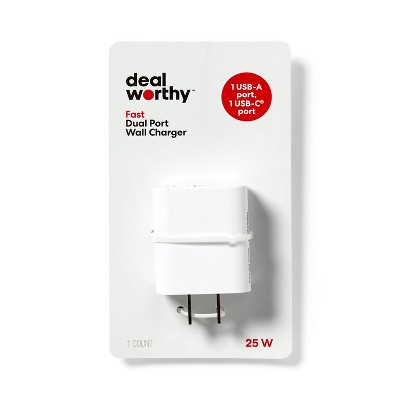
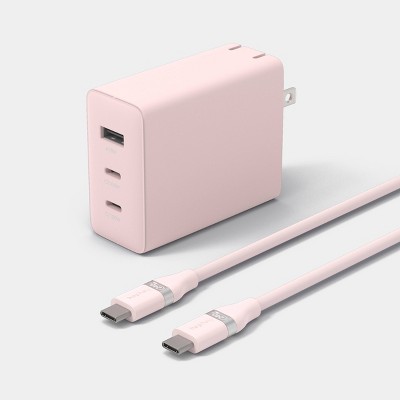
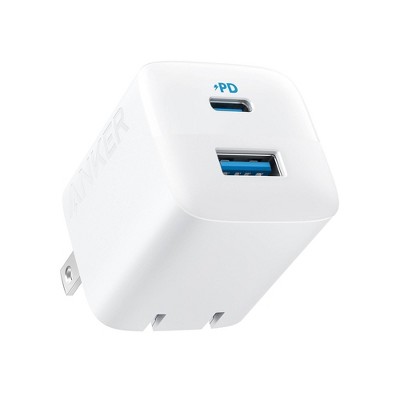
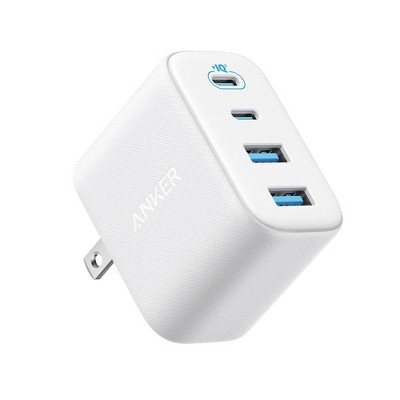
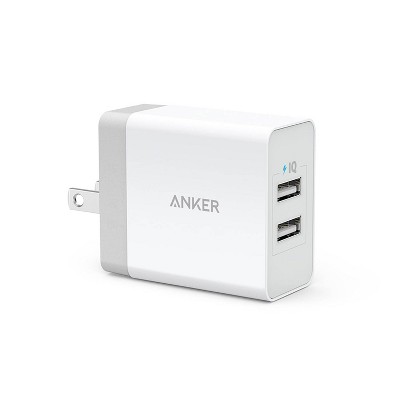
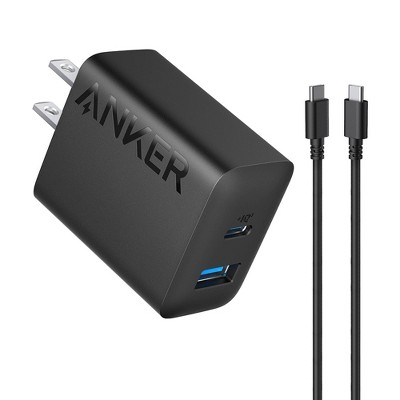
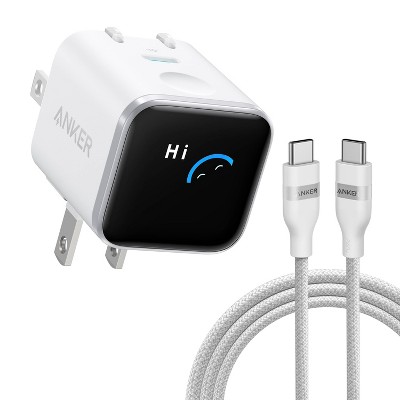
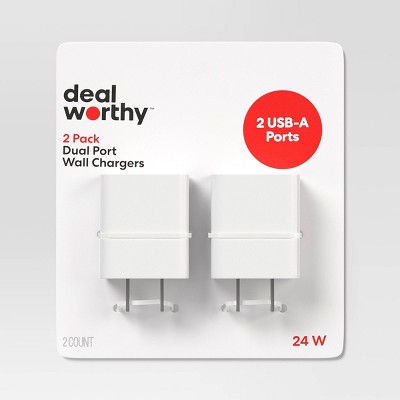
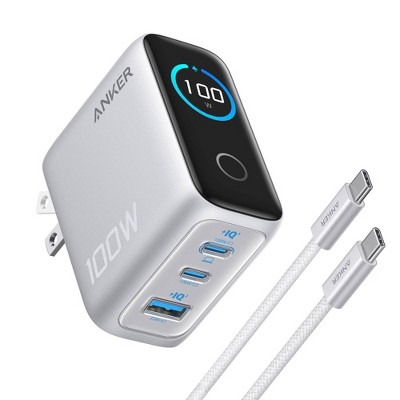
Most 3‑port chargers combine USB‑C and USB‑A ports — commonly one USB‑C plus two USB‑A. Some car-style units list a mix of USB‑A and USB‑C options as well.
Total output varies by model; the examples here list outputs ranging from about 32 watts at the low end up to roughly 67 watts at the high end.
Most multi‑port chargers use internal circuitry that enforces a combined output limit and dynamically allocates power to each connected device. That means the charger draws from a shared power budget and adjusts per‑port delivery so high‑demand ports (like USB‑C PD) and other ports get appropriate power; some product listings explicitly note the combined USB‑C/total output limit.
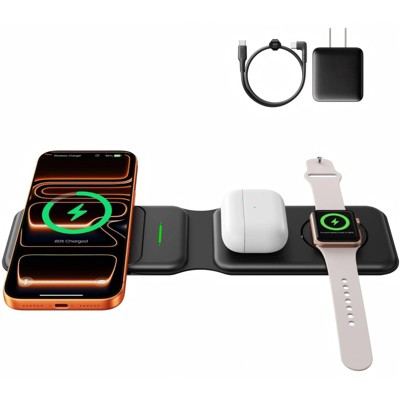
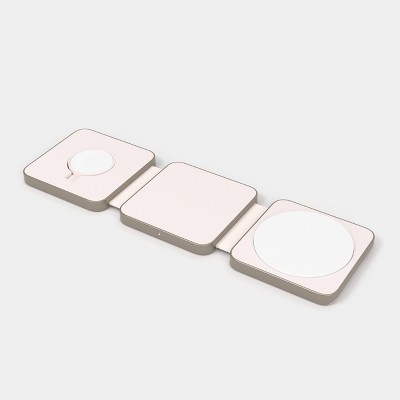
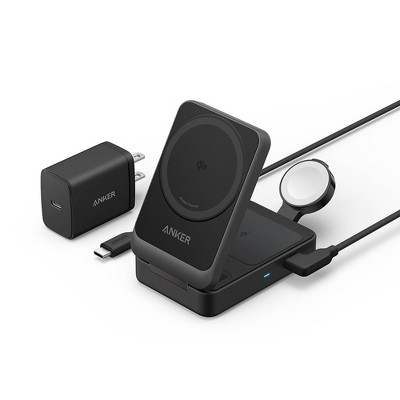
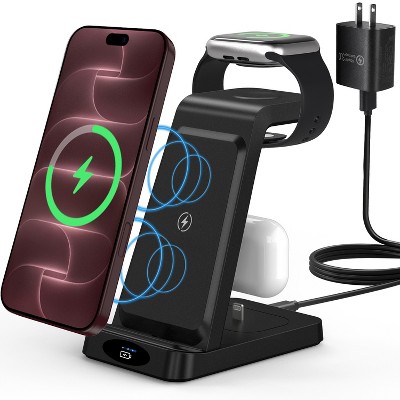
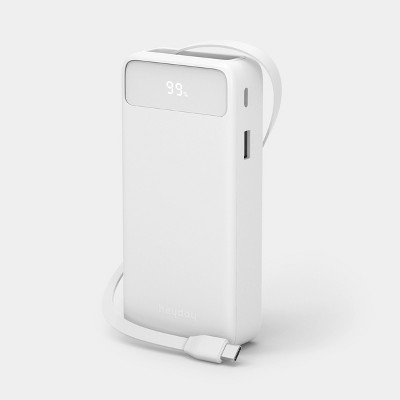
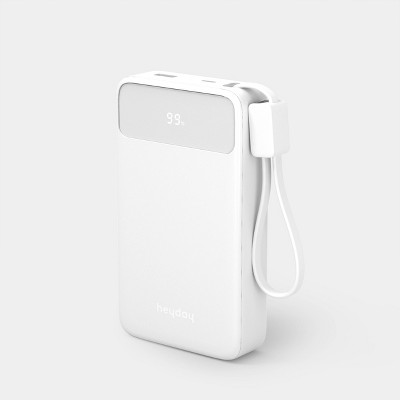
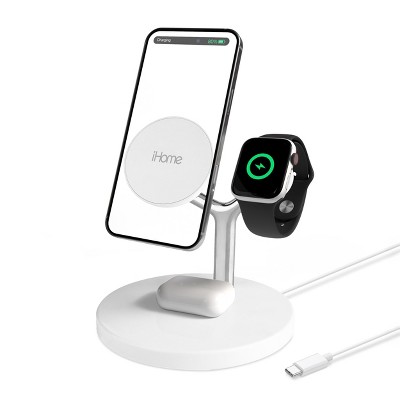
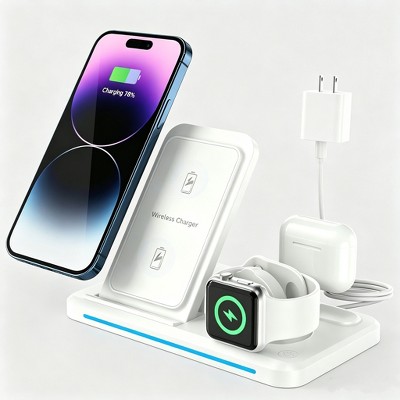
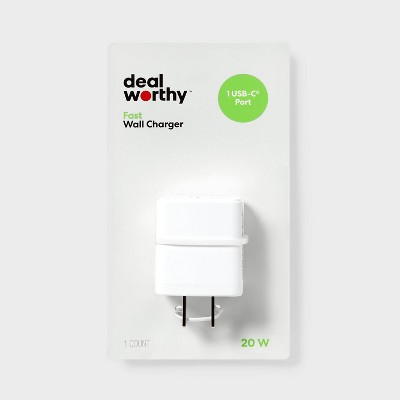
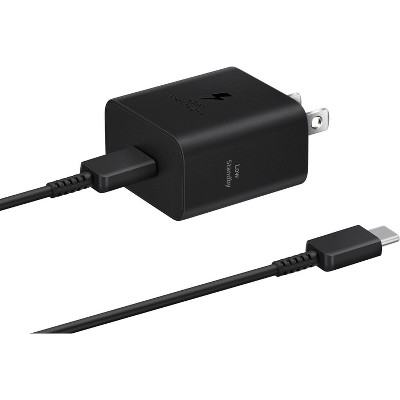
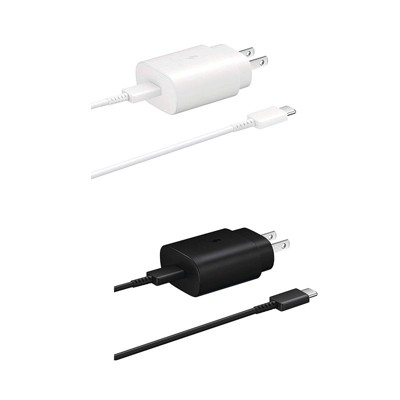
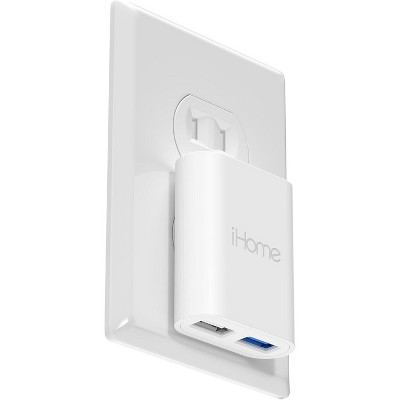
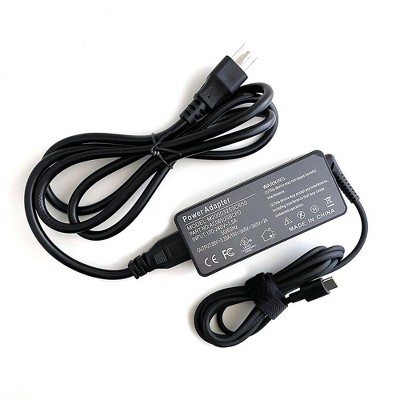
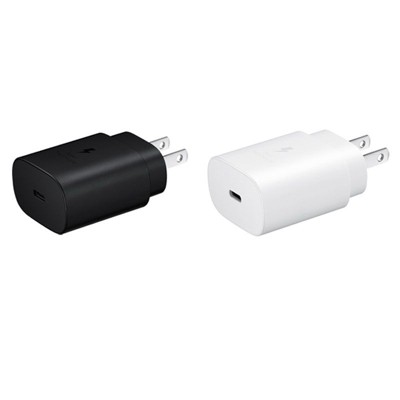
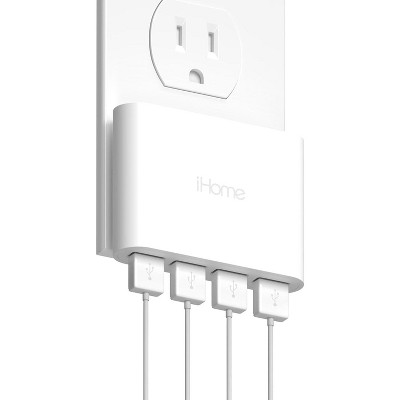
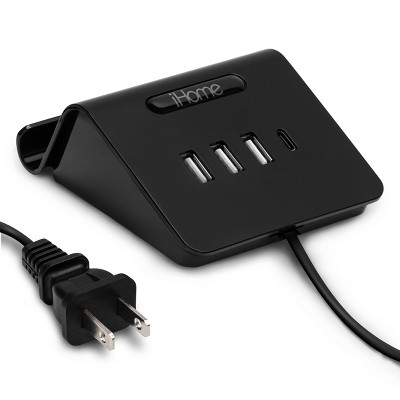
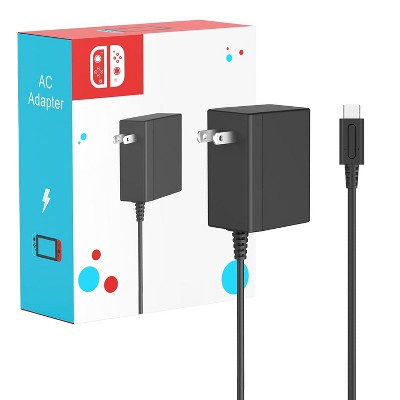
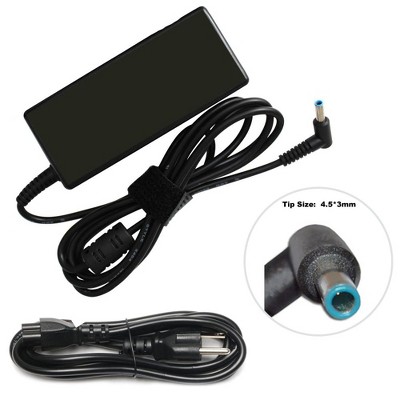
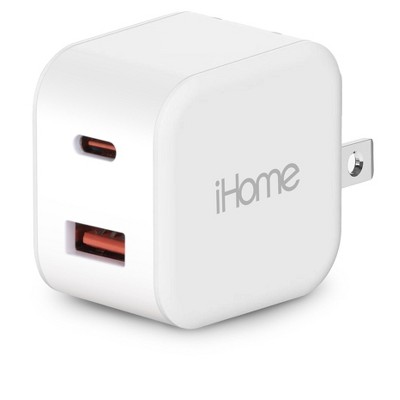
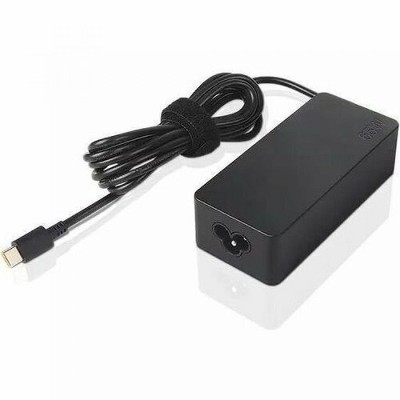
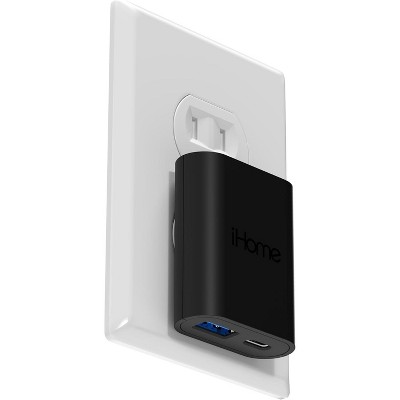
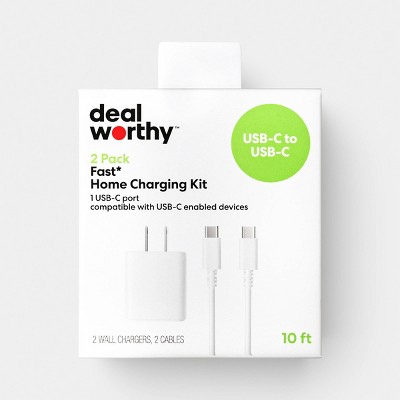
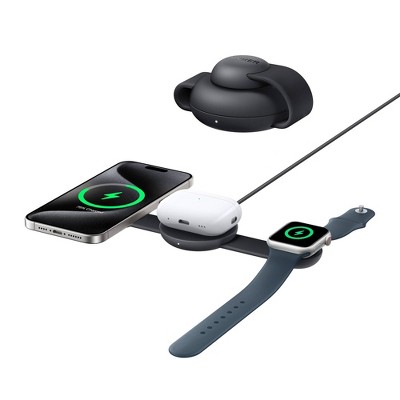
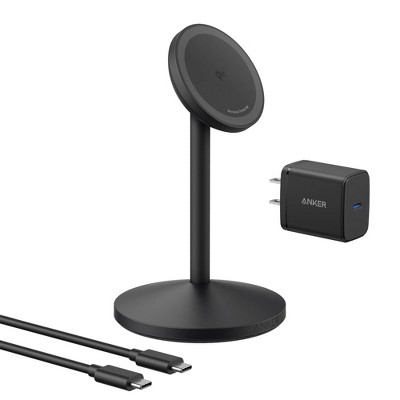
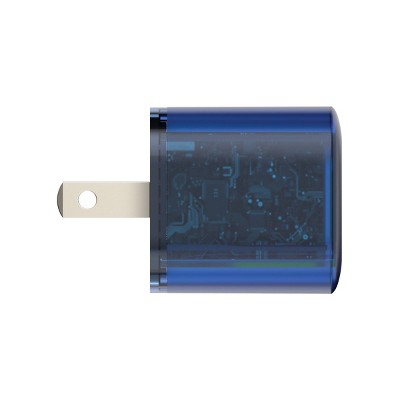
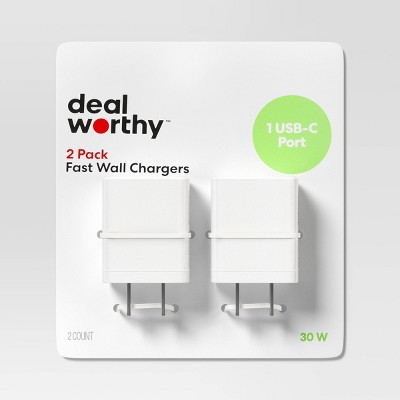
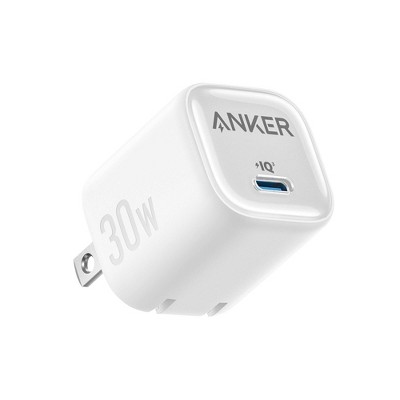
Triple chargers appear in several form factors: wall plug chargers (AC adapters), car chargers for vehicle power sockets, and desktop charging stations designed for multi‑device desktop use.
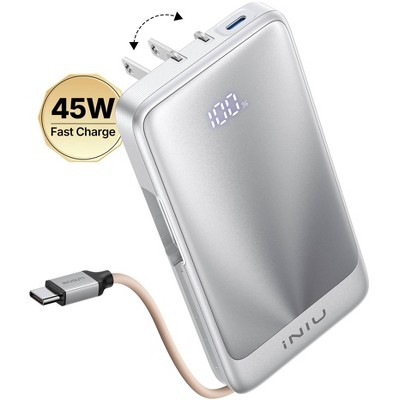
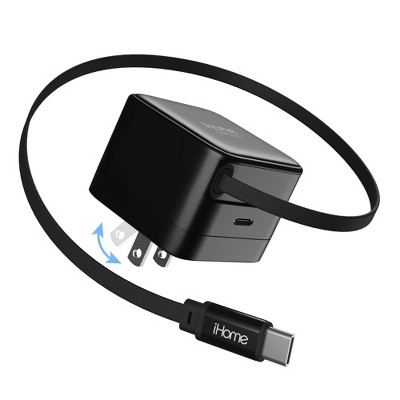
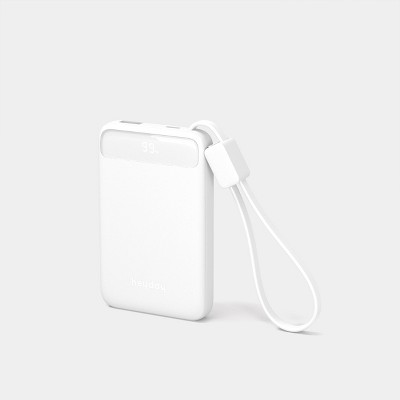
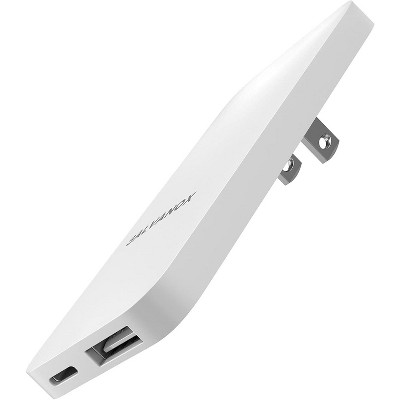
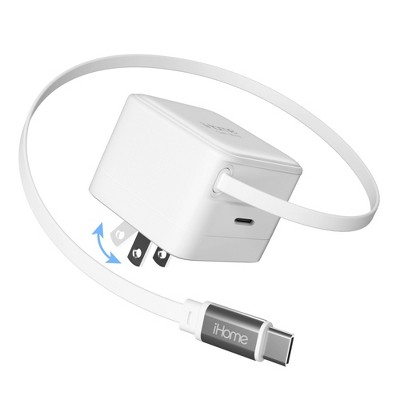
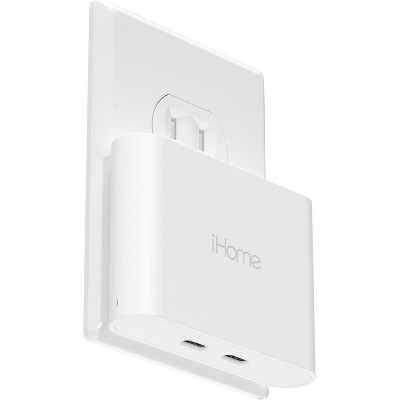
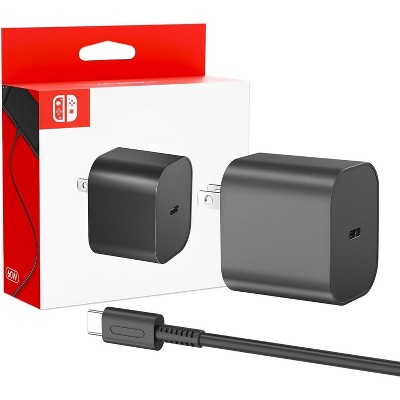
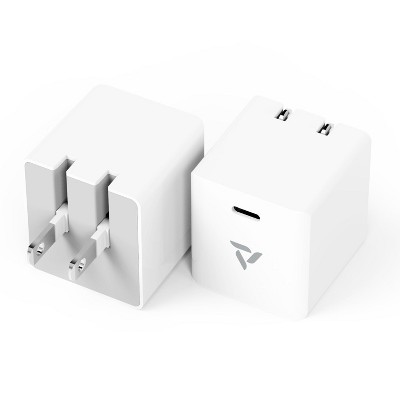
Many wall chargers advertise travel‑friendly features like foldable prongs and slim, flat profiles for easy packing. Desktop and travel‑oriented chargers emphasize compact, lightweight construction that fits in a bag or carry case.
Product notes report that USB‑C Power Delivery can bring devices to about 50% charge in roughly 25–30 minutes. Actual times vary by device model, battery size, and charging conditions.
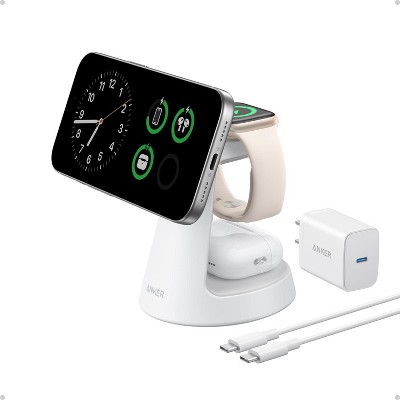
It depends on the product: some wall/plug triple chargers support three devices simultaneously, while larger desktop charging stations shown in the listings can handle around five devices at once.