Target New ArrivalsBack to SchoolCollegeClothing, Shoes & AccessoriesHome & DecorKitchen & DiningOutdoor Living & GardenGroceryHousehold EssentialsBabyBeautyPersonal CareSports & OutdoorsHealthWellnessSchool & Office SuppliesToys & GamesElectronics & TechVideo GamesMovies, Music & BooksParty SuppliesGift IdeasGift CardsPetsUlta Beauty at TargetShop by CommunityTarget OpticalDealsClearanceNew ArrivalsBack to SchoolCollegeTop DealsTarget Circle DealsWeekly AdShop Order PickupShop Same Day DeliveryRegistryRedCardTarget CircleFind Stores

yard guard mosquito spray

162 results for “yard guard mosquito spray”
Powered by AI

Guests also ask:

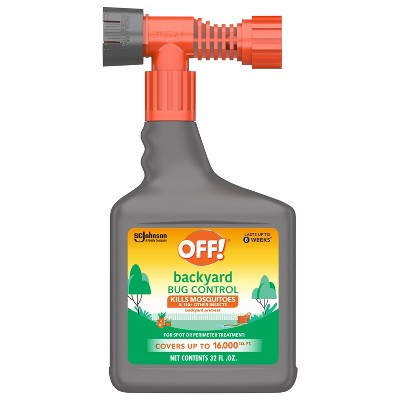
Yard mosquito sprays are sold in several common formats: hose‑end ready‑to‑use sprayers for treating large lawns and beds, liquid or pressurized fogger formulations for creating a treated zone, and smaller aerosol/fogger cans for spot or short‑range zone treatments. Product listings typically note which format is best for broad coverage (hose‑end) versus portable or targeted use (aerosols and compact foggers).

Product details show two main types of actives: plant‑based essential oils (for example, peppermint, geraniol and rosemary) and synthetic pyrethroid actives such as prallethrin and cyfluthrin. Listings usually identify whether a formula is marketed as natural (essential oils) or uses chemical insecticides (pyrethroids).

Product details typically show a protection window of about 6 to 8 hours after application. Exact duration can vary by product and conditions, so check the label for the specific protection time for the spray you use.

Application methods noted in product details include hose‑end spraying for larger areas, fogger or spray‑liquid treatments for zone coverage, and aerosol spot treatments for targeted use. Coverage figures in listings range from large‑area measurements (for some hose‑end products, up to about 2,000 sq ft) to smaller zone distances for portable foggers (roughly 14–15 feet).

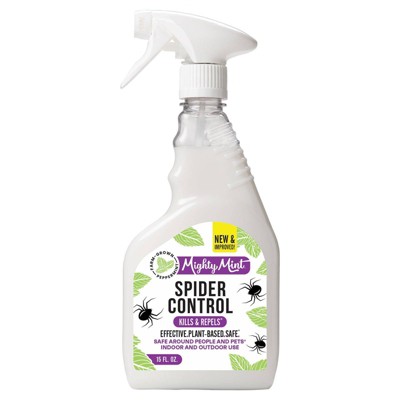
Several listings describe plant‑based formulations that use essential oils as the active ingredients — examples include peppermint, cedarwood, geraniol and rosemary. These products are typically marketed as natural or botanical alternatives to synthetic insecticides.

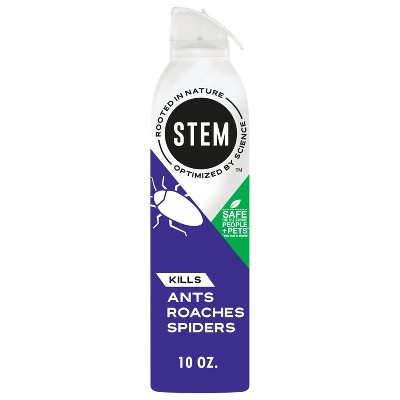
Portable aerosol and compact fogger sprays are marketed for patios, decks, campsites and picnics. Product details show compact sizes and capacities around 8.5–10.5 ounces for easy grab‑and‑go use and short‑range treatment.

Several products indicate that repellent action can be driven by scent — either from plant essential oils (which insects find repellent) or from fogger/aerosol formulations that rely on odor to deter insects. Product descriptions typically cite scent‑based repellency as one of the mechanisms.

Product details recommend applying sprays to pervious surfaces such as soil, lawn and vegetation, using perimeter band treatments near structures, and treating common outdoor areas like lawns, patios, decks, gardens and play areas. Always follow label instructions for site‑specific guidance.

Get top deals, latest trends, and more.