New ArrivalsGift Ideas for MomClothing, Shoes & AccessoriesHomeKitchen & DiningOutdoor Living & GardenFurnitureGroceryHousehold EssentialsBabyBeautyPersonal CareHealthWellnessBackpacks & LuggageSports & OutdoorsToysElectronicsVideo GamesMovies, Music & BooksSchool & Office SuppliesParty SuppliesGift IdeasGift CardsPetsUlta Beauty at TargetShop by CommunityTarget OpticalDealsClearanceTarget New ArrivalsHome Decor Ideas & TrendsTop DealsTarget Circle DealsWeekly AdShop Order PickupShop Same Day DeliveryRegistryRedCardTarget CircleFind Stores
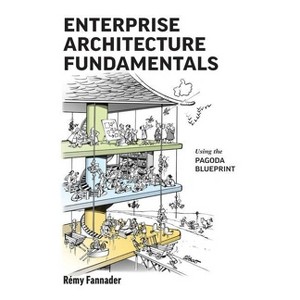
Enterprise Architecture Fundamentals - by  Rémy Fannader (Paperback) - 1 of 1

Enterprise Architecture Fundamentals - by Rémy Fannader (Paperback)

$38.41Save $7.54 (16% off)

In Stock

Eligible for registries and wish lists

About this item

Highlights

  • The book is divided into five parts: parts I and II take a general perspective on enterprise, systems, and frameworks, parts III and IV are focused on technical aspects, and part V takes a prospective view on new challenges and technologies.Part one outlines the basics of enterprise architecture modeling: ● Enterprises' maps (or blueprints) and territories (environments, systems, processes)● Modeling primer: objects and surrogates● Modeling paradigm: environments and systemsPart two explains the core ideas of EA as a discipline: ● Distinction between business and systems perspectives● Benefits of frameworks to map architectures and the management of changes● The Pagoda blueprint as a revised understanding of the Zachman frameworkPart three considers the all-inclusive representation of data (environments), information (systems), and knowledge (enterprise): ● Descriptive and prescriptive models● Profiles, meta-models, and the benefits of ontologies● Ontologies, Knowledge graphs, and the building of actionable maps of environments, organization, and systems.
  • Author(s): Rémy Fannader
  • 416 Pages
  • Business + Money Management, Information Management

Description


About the Book


Enterprise architects must balance business opportunities with asset sustainability.


Book Synopsis


The book is divided into five parts: parts I and II take a general perspective on enterprise, systems, and frameworks, parts III and IV are focused on technical aspects, and part V takes a prospective view on new challenges and technologies.


Part one outlines the basics of enterprise architecture modeling:

● Enterprises' maps (or blueprints) and territories (environments, systems, processes)

● Modeling primer: objects and surrogates

● Modeling paradigm: environments and systems


Part two explains the core ideas of EA as a discipline:

● Distinction between business and systems perspectives

● Benefits of frameworks to map architectures and the management of changes

● The Pagoda blueprint as a revised understanding of the Zachman framework


Part three considers the all-inclusive representation of data (environments), information (systems), and knowledge (enterprise):

● Descriptive and prescriptive models

● Profiles, meta-models, and the benefits of ontologies

● Ontologies, Knowledge graphs, and the building of actionable maps of environments, organization, and systems.

● Decision-making processes and the seamless integration of systems and representations.


Part four deals with engineering and the transformation of enterprise architectures:

● Taxonomy of requirements and the distinction between architecture-oriented and business-driven requirements.

● Refactoring of requirements along enterprise architecture concerns, with a focus on digital transformation.

● Role of Use cases for the definition of business objectives, user-driven applications, and systems-oriented functions.

● Role of Model-based systems engineering (MBSE) at the hub of enterprise architecture transformations, between Agile developments and systems modernization.


Part five considers enterprises as viable organisms and the consequences of new technologies for their resilience and evolution:

● Enterprises' capacity to change in terms of architecture versatility and plasticity, and the benefits of a revisited Capacity maturity model integration (CMMI)

● Evolutionary impact of Artificial intelligence and Machine-learning technologies with regard to enterprises' resilience in the face of disruptive changes in environments.

Dimensions (Overall): 10.0 Inches (H) x 7.0 Inches (W) x .85 Inches (D)
Weight: 1.58 Pounds
Suggested Age: 22 Years and Up
Number of Pages: 416
Genre: Business + Money Management
Sub-Genre: Information Management
Publisher: Izzard Ink
Format: Paperback
Author: Rémy Fannader
Language: English
Street Date: May 25, 2021
TCIN: 83135019
UPC: 9781642280616
Item Number (DPCI): 247-40-4952
Origin: Made in the USA or Imported
If the item details aren’t accurate or complete, we want to know about it.

Shipping details

Estimated ship dimensions: 0.85 inches length x 7 inches width x 10 inches height
Estimated ship weight: 1.58 pounds
We regret that this item cannot be shipped to PO Boxes.
This item cannot be shipped to the following locations: American Samoa (see also separate entry under AS), Guam (see also separate entry under GU), Northern Mariana Islands, Puerto Rico (see also separate entry under PR), United States Minor Outlying Islands, Virgin Islands, U.S., APO/FPO, Alaska, Hawaii

Return details

This item can be returned to any Target store or Target.com.
This item must be returned within 90 days of the date it was purchased in store, delivered to the guest, delivered by a Shipt shopper, or picked up by the guest.
See the return policy for complete information.

Q: What are the benefits of frameworks mentioned in the book?

submitted by AI Shopping Assistant - 17 days ago
  • A: The book outlines frameworks' benefits in mapping architectures and managing changes effectively across organizations.

    submitted byAI Shopping Assistant - 17 days ago
    Ai generated

Q: What does part five explore about new technologies and enterprises?

submitted by AI Shopping Assistant - 17 days ago
  • A: Part five examines challenges posed by new technologies, focusing on resilience, adaptability, and evolution of enterprises.

    submitted byAI Shopping Assistant - 17 days ago
    Ai generated

Q: What general topics does the book cover in the first two parts?

submitted by AI Shopping Assistant - 17 days ago
  • A: The first two parts focus on enterprise frameworks, systems perspectives, and core ideas of enterprise architecture.

    submitted byAI Shopping Assistant - 17 days ago
    Ai generated

Q: What does part three discuss regarding data and knowledge?

submitted by AI Shopping Assistant - 17 days ago
  • A: Part three explores the representation of data, information, knowledge, descriptive models, and the usage of ontologies.

    submitted byAI Shopping Assistant - 17 days ago
    Ai generated

Q: How does the book approach digital transformation in enterprise architecture?

submitted by AI Shopping Assistant - 17 days ago
  • A: Digital transformation is addressed through requirements, business objectives, and model-based systems engineering in part four.

    submitted byAI Shopping Assistant - 17 days ago
    Ai generated

Additional product information and recommendations

Get top deals, latest trends, and more.

Privacy policy

Footer

About Us

About TargetCareersNews & BlogTarget BrandsBullseye ShopSustainability & GovernancePress CenterAdvertise with UsInvestorsAffiliates & PartnersSuppliersTargetPlus

Help

Target HelpReturnsTrack OrdersRecallsContact UsFeedbackAccessibilitySecurity & FraudTeam Member ServicesLegal & Privacy

Stores

Find a StoreClinicPharmacyTarget OpticalMore In-Store Services

Services

Target Circle™Target Circle™ CardTarget Circle 360™Target AppRegistrySame Day DeliveryOrder PickupDrive UpFree 2-Day ShippingShipping & DeliveryMore Services
PinterestFacebookInstagramXYoutubeTiktokTermsCA Supply ChainPrivacy PolicyCA Privacy RightsYour Privacy ChoicesInterest Based AdsHealth Privacy Policy