Target New ArrivalsGift Ideas for DadClothing, Shoes & AccessoriesHome & DecorKitchen & DiningOutdoor Living & GardenGroceryHousehold EssentialsBabyBeautyPersonal CareSports & OutdoorsHealthWellnessLuggageSchool & Office SuppliesToysElectronicsVideo GamesMovies, Music & BooksParty SuppliesGift IdeasGift CardsPetsUlta Beauty at TargetShop by CommunityTarget OpticalDealsClearanceNew ArrivalsGift Ideas for DadBack to SchoolCollegeTop DealsTarget Circle DealsWeekly AdShop Order PickupShop Same Day DeliveryRegistryRedCardTarget CircleFind Stores
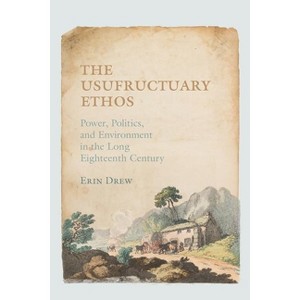
The Usufructuary Ethos - by  Erin Drew (Paperback) - 1 of 1

The Usufructuary Ethos - by Erin Drew (Paperback)

$45.99

In Stock

Free & easy returns

Free & easy returns

Return this item by mail or in store within 90 days for a full refund.
Eligible for registries and wish lists

About this item

Highlights

  • Who has the right to decide how nature is used, and in what ways?
  • About the Author: Erin Drew is Associate Professor of English at the University of Mississippi.
  • 234 Pages
  • Literary Criticism, European

Description


About the Book


"The Usufructuary Ethos traces an overlooked thread of environmental thought from the religious and legal writings of the seventeenth century through mid-eighteeenth-century poems of colonial commerce, attending to the particular political, economic, and environmental pressures that shaped, transformed, and ultimately sidelined it"--


Book Synopsis


Who has the right to decide how nature is used, and in what ways? Recovering an overlooked thread of seventeenth- and eighteenth-century environmental thought, Erin Drew shows that English writers of the period commonly believed that human beings had only the "usufruct" of the earth--the "right of temporary possession, use, or enjoyment of the advantages of property belonging to another, so far as may be had without causing damage or prejudice." The belief that human beings had only temporary and accountable possession of the world, which Drew labels the "usufructuary ethos," had profound ethical implications for the ways in which the English conceived of the ethics of power and use. Drew's book traces the usufructuary ethos from the religious and legal writings of the seventeenth century through mid-eighteenth-century poems of colonial commerce, attending to the particular political, economic, and environmental pressures that shaped, transformed, and ultimately sidelined it. Although a study of past ideas, The Usufructuary Ethos resonates with contemporary debates about our human responsibilities to the natural world in the face of climate change and mass extinction.


Review Quotes


"A fascinating study of a potent, overlooked strand of English environmental thought. With sensitive readings of eighteenth-century texts and a sharp eye on their ecological and political resonances, Drew explores fundamental assumptions about relations between humans and nonhumans that have implications for how we understand our past and our present."

--Courtney Weiss Smith, Wesleyan University

An important contribution to eighteenth-century studies, revealing a significant strand of social and environmental thought in the period. It reminds us that a varied range of attitudes to the nonhuman world, some destructive and some proto-conservationist, were held and articulated in the eighteenth century (and that different attitudes could be held by one person or expressed in one text)... the most pertinent, and most disturbing, lesson from this history might be that the cultural prominence of conservationist arguments was, and is, no protection against the onrush of the Anthropocene.

--Agricultural History Review

Anyone interested in debates over the nature and origins of the Anthropocene, in early modern environmental history and its relationships with culture, or in how Enlightenment discourses of commerce, virtue, and luxury framed the increasingly capitalist and industrial economy of eighteenth-century Britain, will find much to engage with in Drew's work. It provocatively and usefully suggests that sustainability was as fruitful and fraught a goal in the eighteenth century as it is today.

--Journal of Modern History

Drew demonstrates that eighteenth-century writing can contribute to a new ethos of sustainability

--Prose Studies

Erin Drew's The Usufructuary Ethos offers a vital contribution to scholarly conversations in ecocritical literary history, environmental history, and environmental ethics. The readings--of canonical and lesser-known poems, as well as devotional literature and political philosophy--are incisive, original, and compelling.

--Tobias Menely, University of California, Davis, author of Climate and the Making of Worlds: Toward a Geohistorical Poetics


About the Author


Erin Drew is Associate Professor of English at the University of Mississippi.

Dimensions (Overall): 9.02 Inches (H) x 5.98 Inches (W) x .53 Inches (D)
Weight: .77 Pounds
Suggested Age: 22 Years and Up
Number of Pages: 234
Genre: Literary Criticism
Sub-Genre: European
Publisher: University of Virginia Press
Theme: English, Irish, Scottish, Welsh
Format: Paperback
Author: Erin Drew
Language: English
Street Date: May 21, 2021
TCIN: 1010783750
UPC: 9780813945804
Item Number (DPCI): 247-34-4400
Origin: Made in the USA or Imported
If the item details aren’t accurate or complete, we want to know about it.

Shipping details

Estimated ship dimensions: 0.53 inches length x 5.98 inches width x 9.02 inches height
Estimated ship weight: 0.77 pounds
We regret that this item cannot be shipped to PO Boxes.
This item cannot be shipped to the following locations: American Samoa (see also separate entry under AS), Guam (see also separate entry under GU), Northern Mariana Islands, Puerto Rico (see also separate entry under PR), United States Minor Outlying Islands, Virgin Islands, U.S., APO/FPO, Alaska, Hawaii

Return details

This item can be returned to any Target store or Target.com.
This item must be returned within 90 days of the date it was purchased in store, delivered to the guest, delivered by a Shipt shopper, or picked up by the guest.
See the return policy for complete information.

Q: Who is the author of this literary criticism?

submitted by AI Shopping Assistant - 24 days ago
  • A: The author is Erin Drew, an Associate Professor of English at the University of Mississippi.

    submitted byAI Shopping Assistant - 24 days ago
    Ai generated

Q: What kind of pressures are discussed in the book?

submitted by AI Shopping Assistant - 24 days ago
  • A: The book discusses political, economic, and environmental pressures that influenced environmental thought during the seventeenth and eighteenth centuries.

    submitted byAI Shopping Assistant - 24 days ago
    Ai generated

Q: What is the primary theme explored in this book?

submitted by AI Shopping Assistant - 24 days ago
  • A: The book explores the relationship between humans and nature, focusing on the concept of usufruct and ethical considerations in using natural resources.

    submitted byAI Shopping Assistant - 24 days ago
    Ai generated

Q: Is the book relevant to contemporary environmental debates?

submitted by AI Shopping Assistant - 24 days ago
  • A: Yes, it resonates with modern discussions on human responsibilities towards the natural world, particularly in relation to climate change.

    submitted byAI Shopping Assistant - 24 days ago
    Ai generated

Q: What time period does the book primarily focus on?

submitted by AI Shopping Assistant - 24 days ago
  • A: It primarily focuses on environmental thought from the seventeenth to the mid-eighteenth centuries.

    submitted byAI Shopping Assistant - 24 days ago
    Ai generated

Additional product information and recommendations

Discover more options

Get top deals, latest trends, and more.

Privacy policy