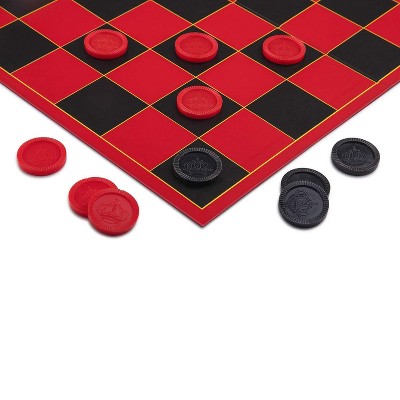
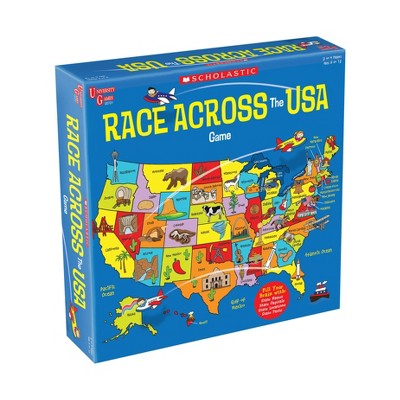
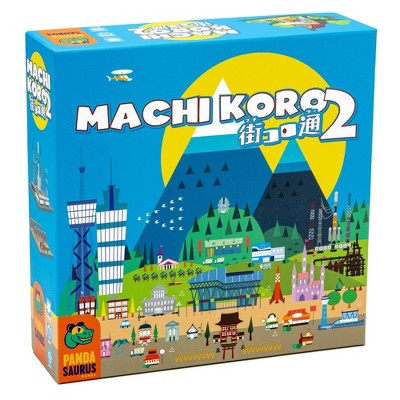
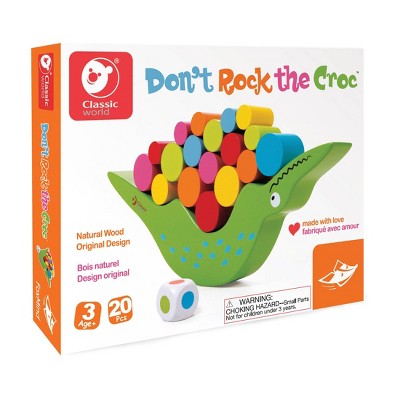
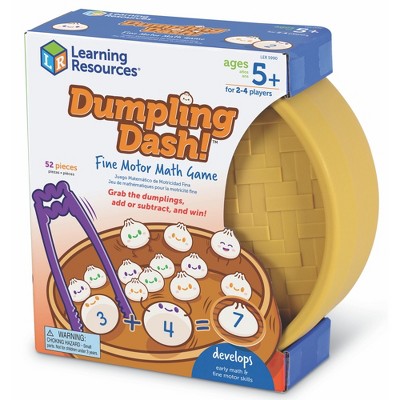
Baby games commonly target early-learning areas such as shapes and colors, basic number and counting skills, early language and pre-reading skills, fine-motor and sensory development, simple problem solving, and social skills like turn-taking.
Power options vary. Many baby games are fully mechanical and need no batteries, while several electronic toys require common sizes such as 2 AA, 2 AAA, or 3 AAA batteries. Product listings sometimes note “batteries required” and may also state whether batteries are included or not.
Many items are marketed as travel- or on-the-go friendly: compact designs, easy cleanup, and simple components that pack well for car rides or trips. Look for descriptions like “compact,” “easy to play in transit,” or mentions of storage bags/boxes when portability matters.
Electronic features can include music and sound effects, talking or giggling cues, multicolor light-up elements, built-in timers, multiple play modes (for example learning vs. play), and interactive modes such as dance or board-spin interactions.