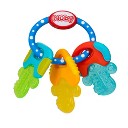
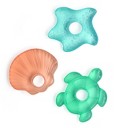
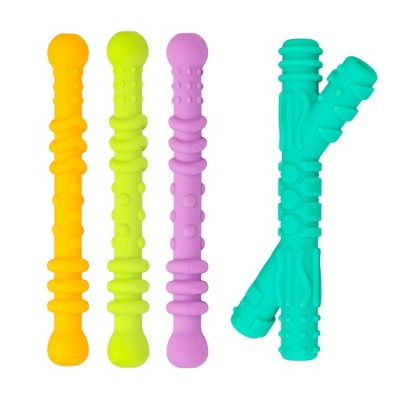
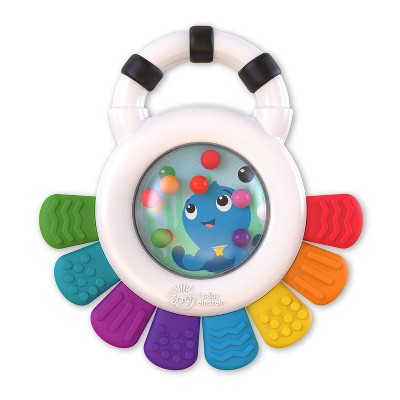
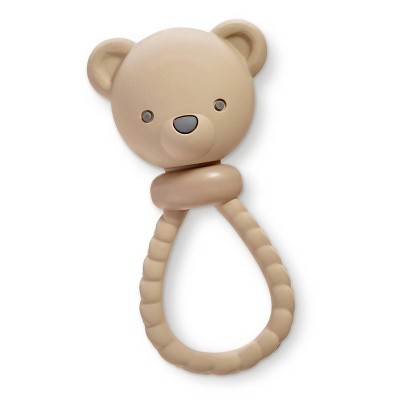
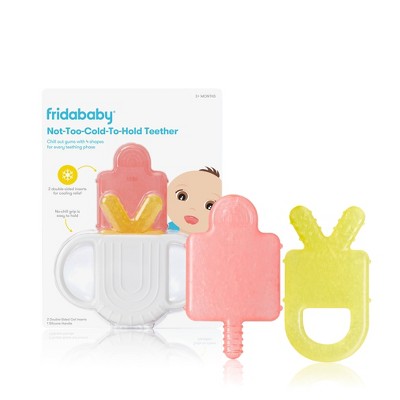
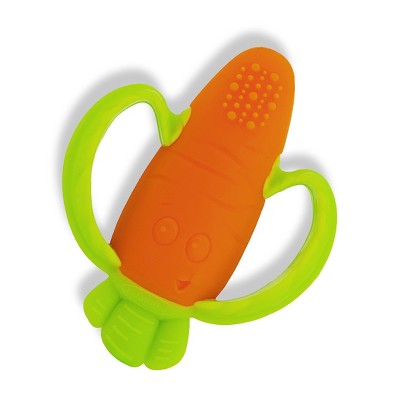
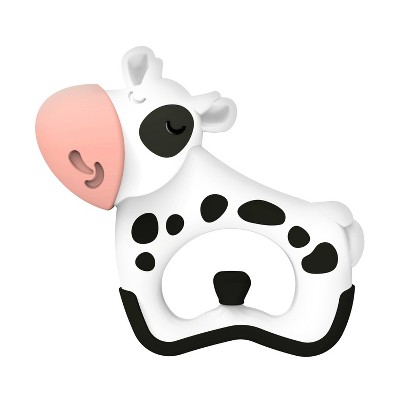
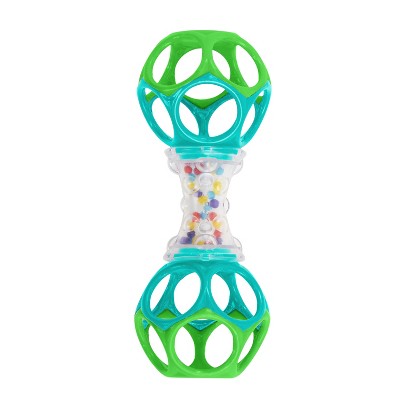
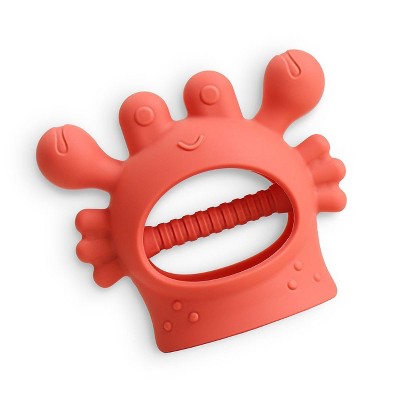
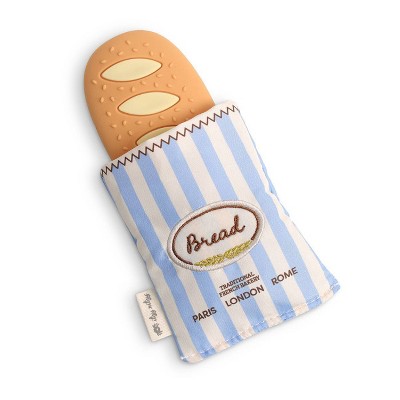
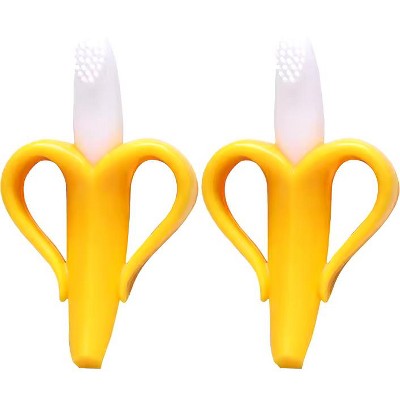
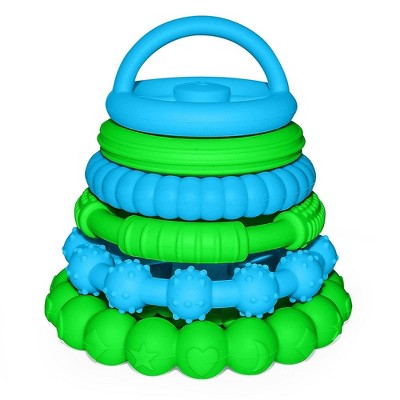
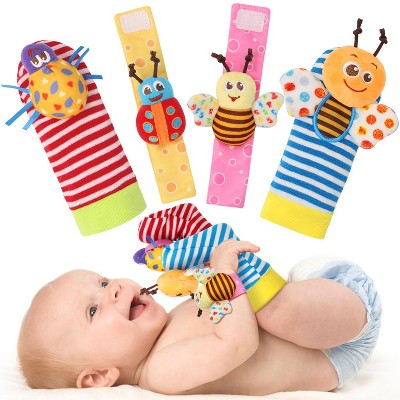
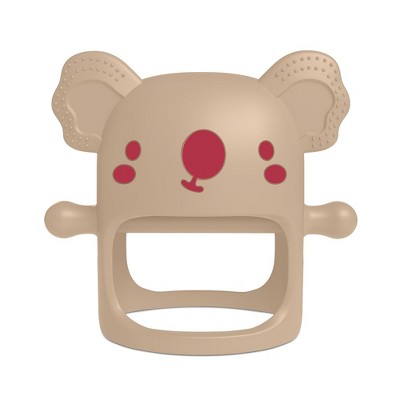
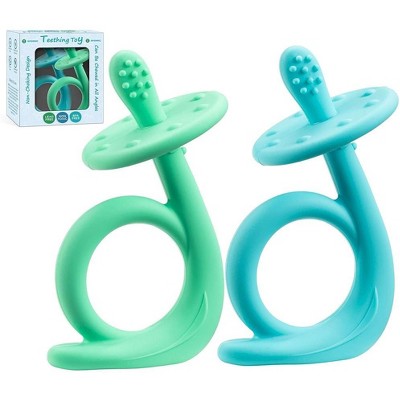
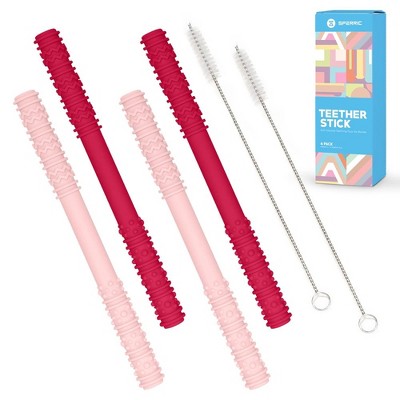
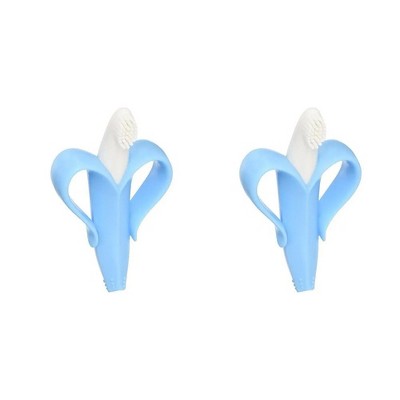
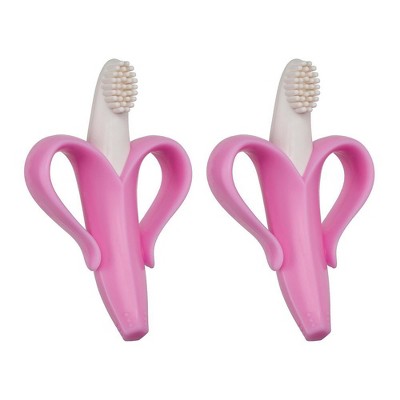
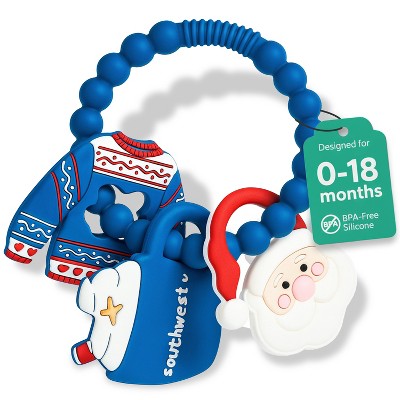
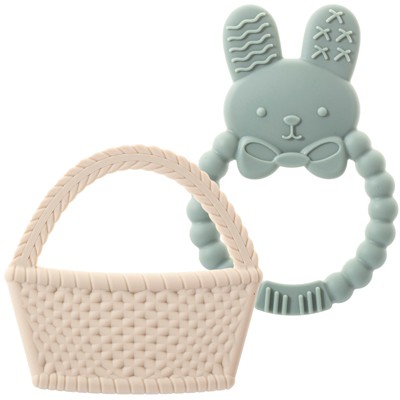
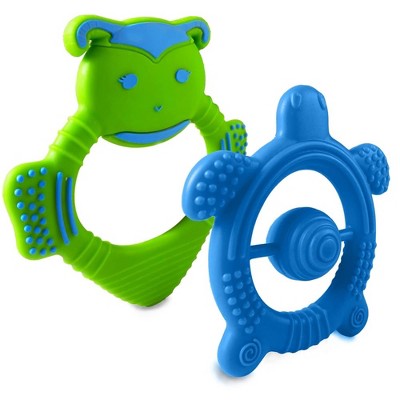
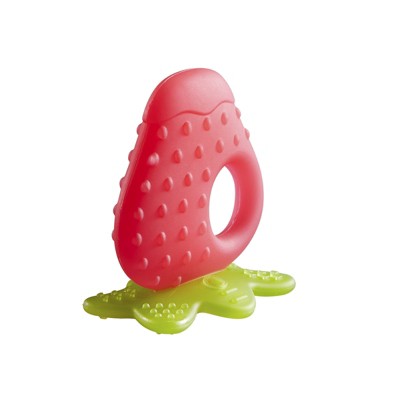
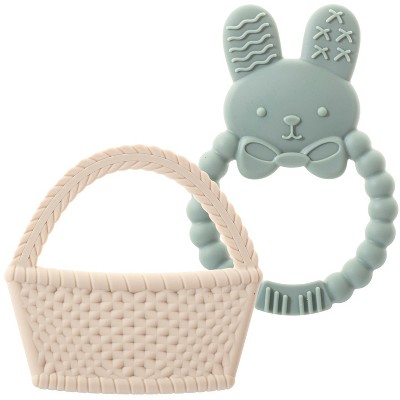
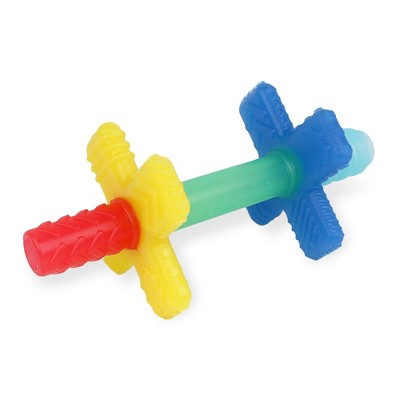
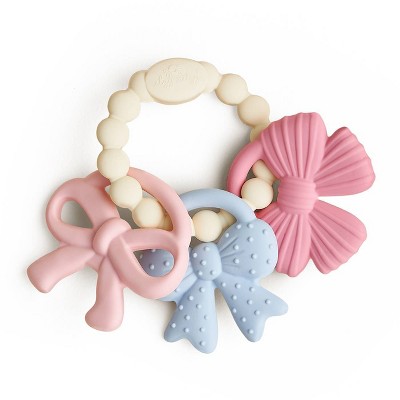
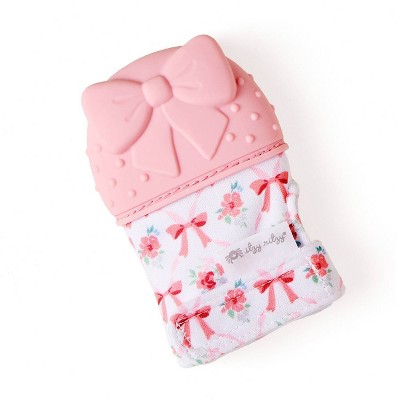
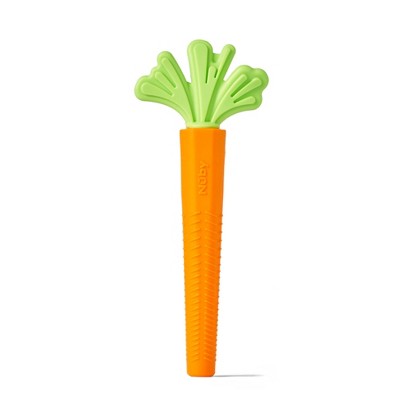
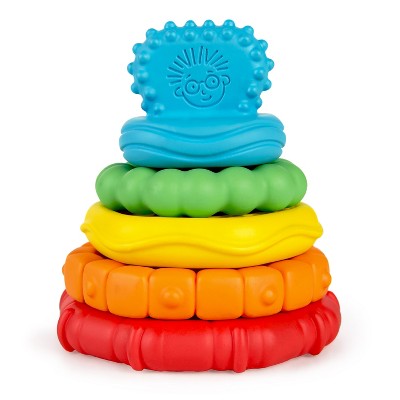
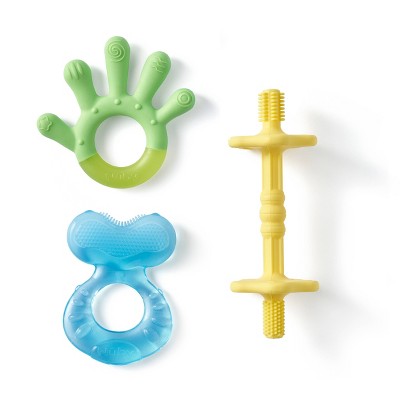
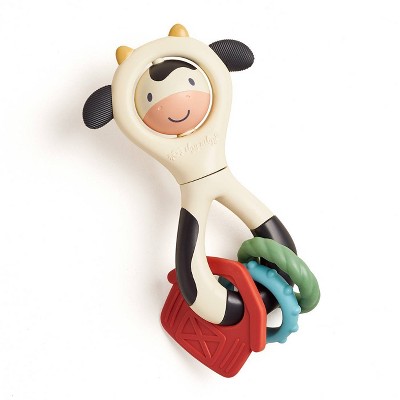
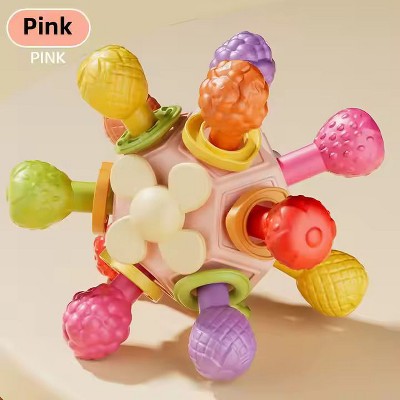
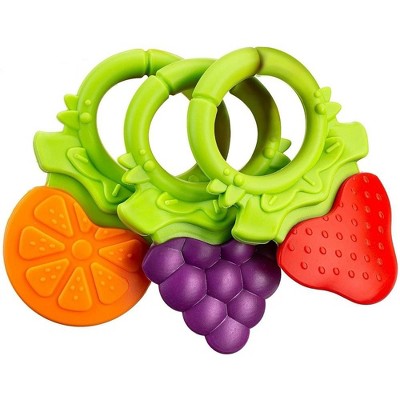
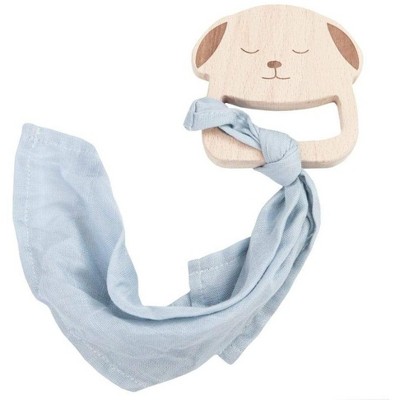
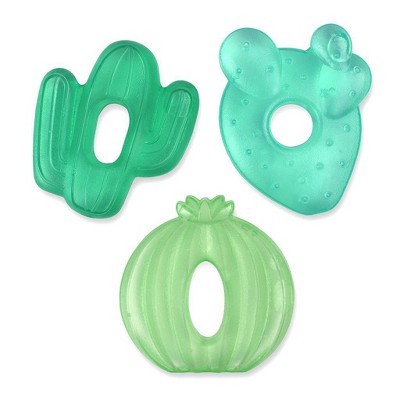
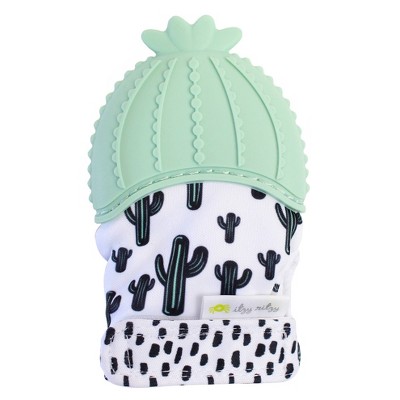
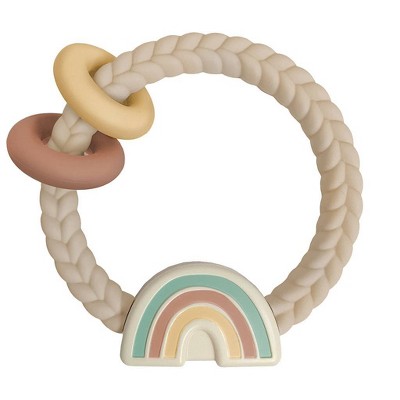
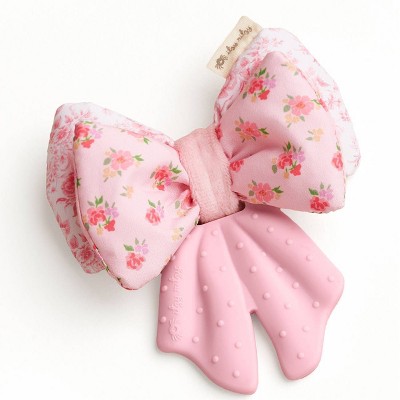
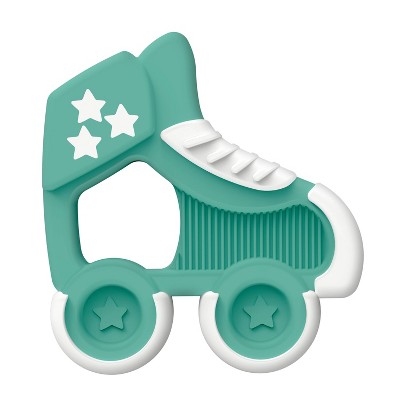
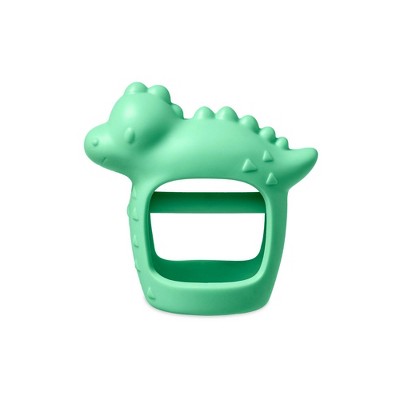
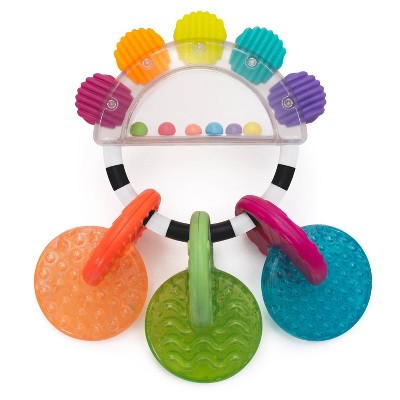
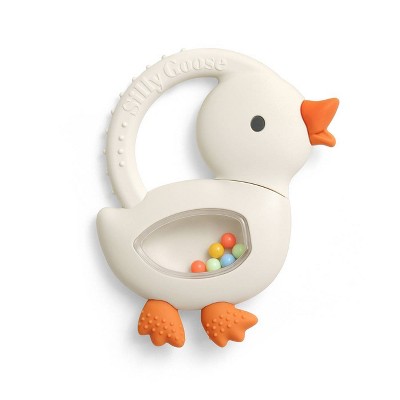
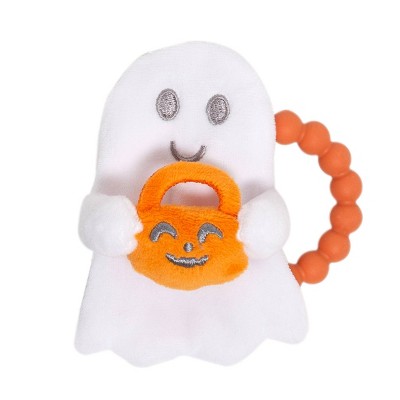
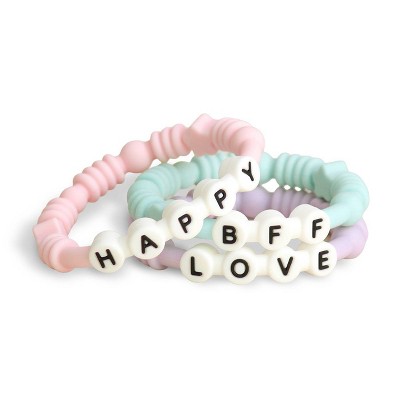
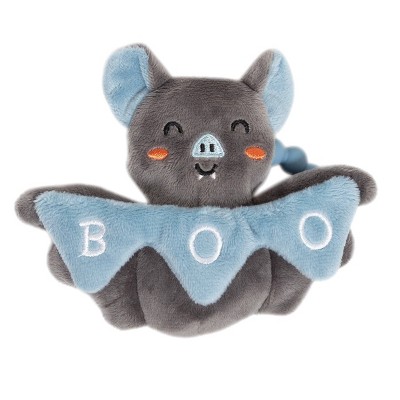
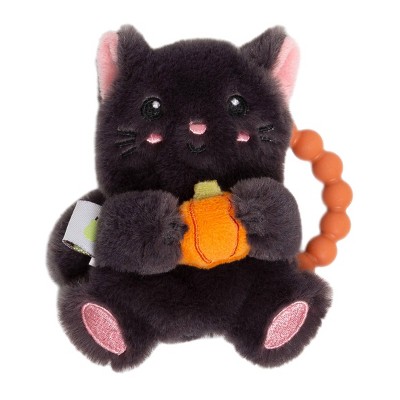
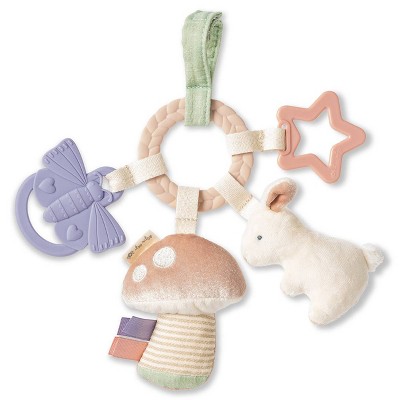
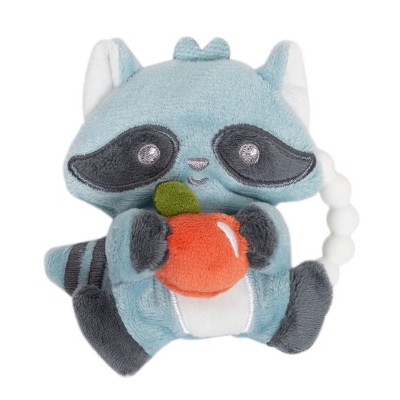
Baby mouth toys are commonly made from rubber, silicone, plastic, and polyester.
These toys support sensory and motor development (fine and gross motor skills), can provide auditory or musical stimulation, and many are designed with soft, chewable surfaces to soothe sore gums during teething.
Age labeling varies across products; common examples include 0–12 months, 3–12 months, 0–36 months, 0–18 months, "Newborn and Up," and "3 Months and Up."
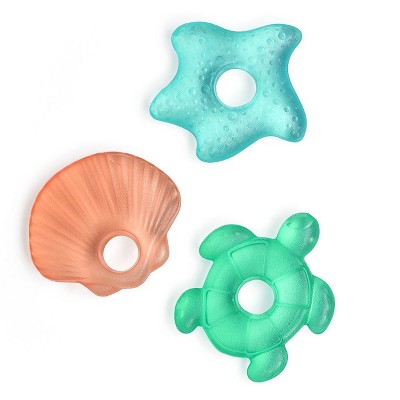
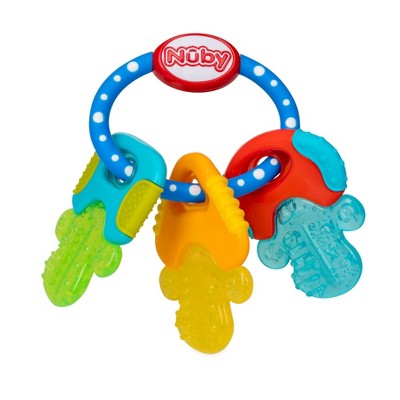
Several baby mouth toys can be refrigerated or frozen to provide cooling relief for sore gums. Heating is less common, though at least one listing mentions an option to warm the toy.
Product details commonly highlight non-toxic claims such as BPA‑free, PVC‑free, and phthalate‑free. Frequently listed standards and certifications include "Meets ASTM Standards," EN71/EN71 Certified, CPSIA, HR 4040, ISO 9001, and references to CPSC and Health Canada safety standards.
Care instructions vary by item: many recommend spot‑ or wipe‑cleaning, several are dishwasher‑safe, others advise washing with soap and water, and fabric or mitt‑style toys may be machine washable.
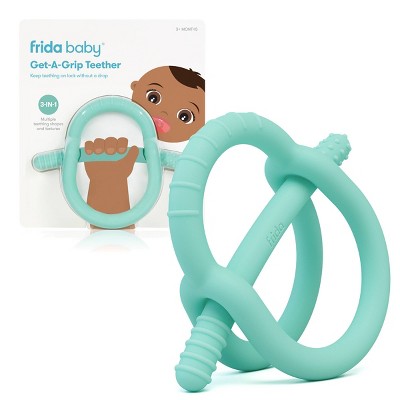
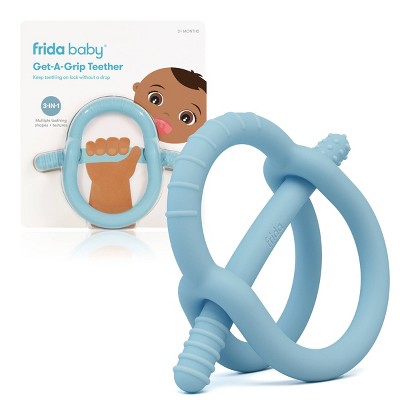
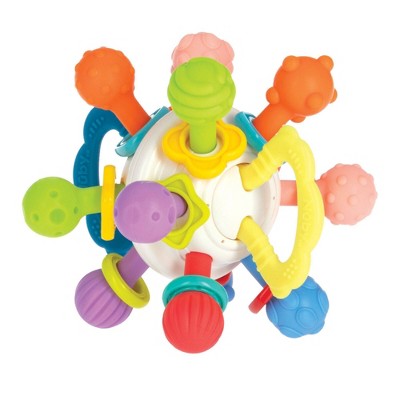
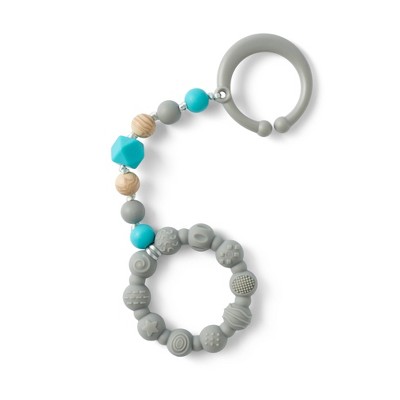
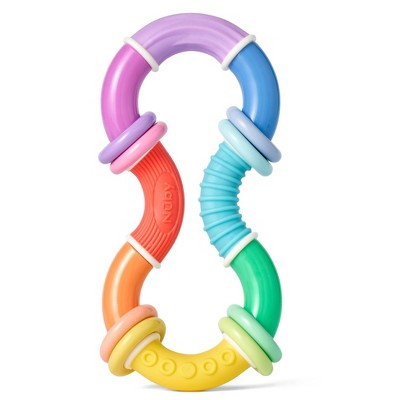
Common features include easy‑to‑grip shapes and handles, multiple textured silicone surfaces, loops or continuous tubes that encourage clutching, and cross‑bar or tube shapes that match a baby’s natural grip reflex.
Most listings show a single‑piece design (Number of Pieces: 1); a smaller number are sold as two pieces (Number of Pieces: 2).
Some toys include lights, sounds, or music and require batteries (one listing specifies "Battery: 3 LR44 Alkaline, Required, Not Included"). Many other toys are non‑electronic and list "Battery: No Battery Used."