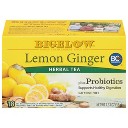
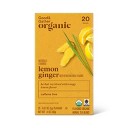
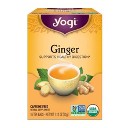
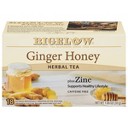
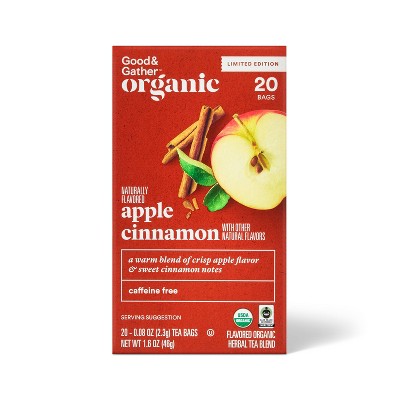
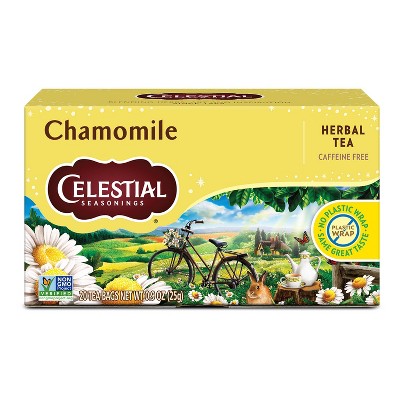
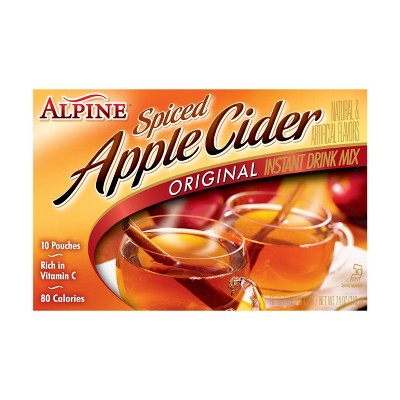
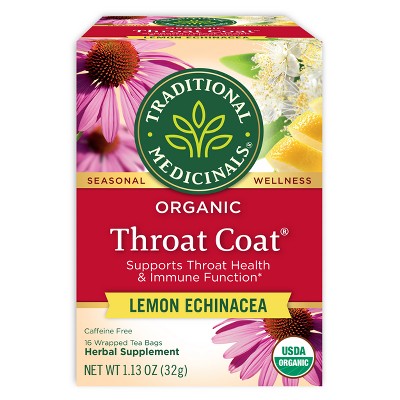
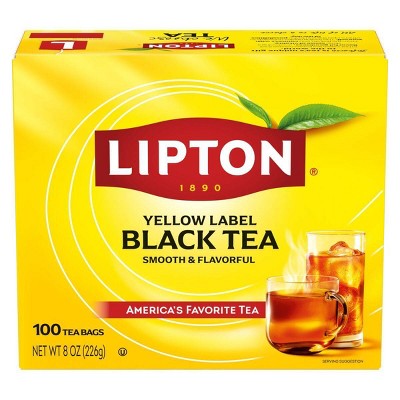
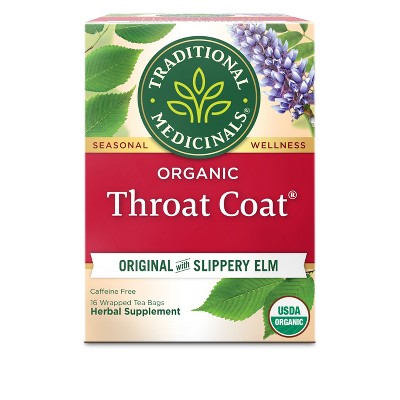
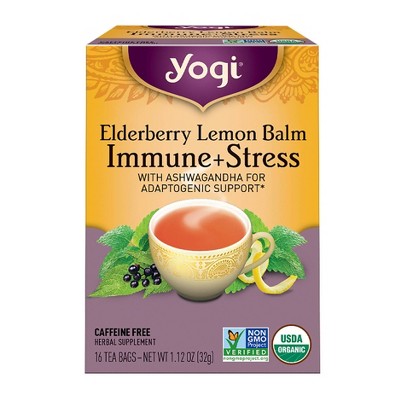
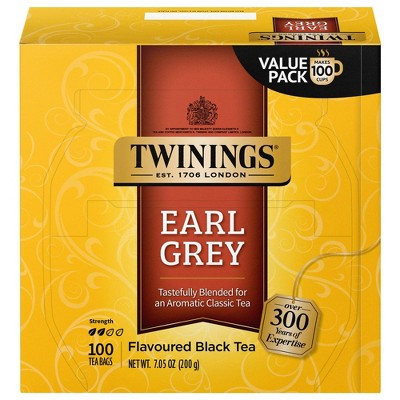
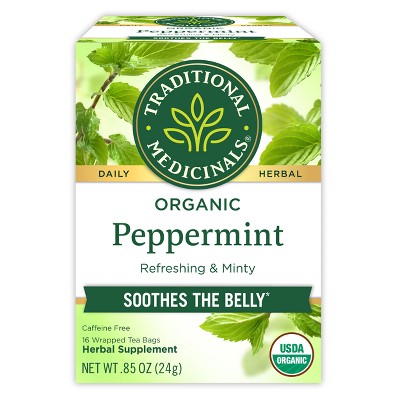
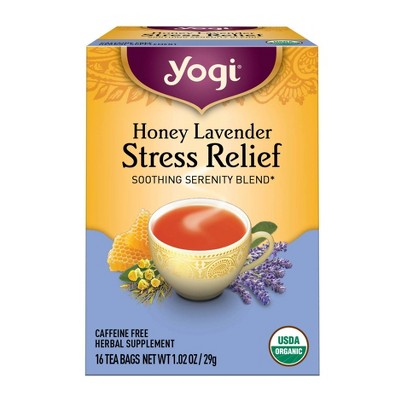
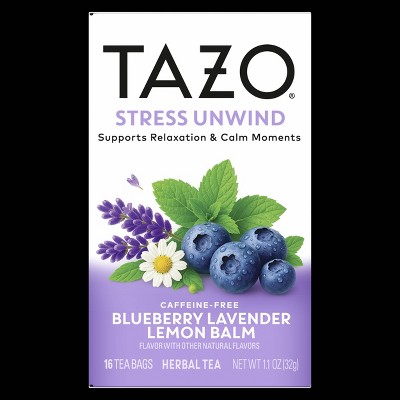
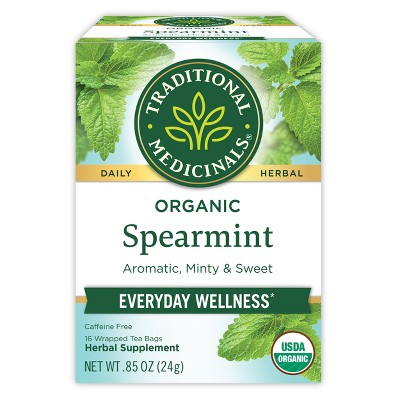
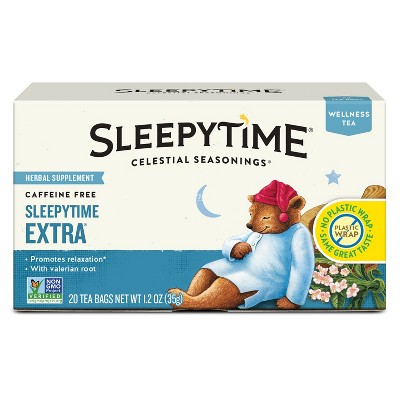
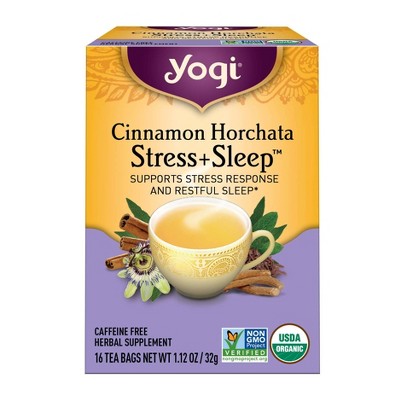
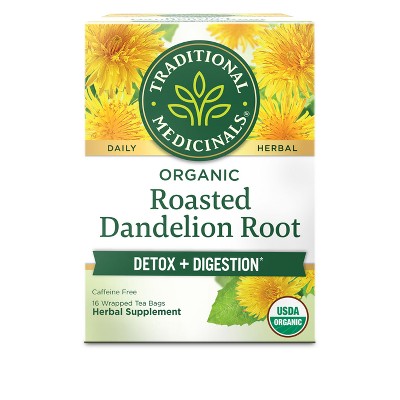
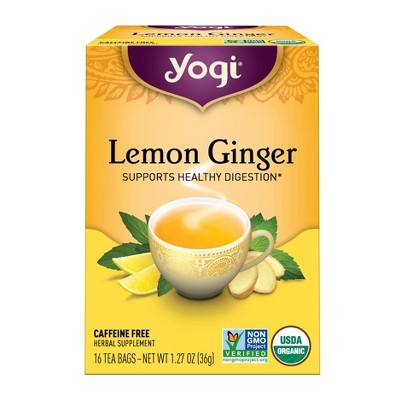
Ginger teas fall into two main categories: caffeine-free herbal (often labeled “caffeine-free” or “decaffeinated”) and blends made with a black-tea base, which contain caffeine. Check the package labeling to confirm which type you have.
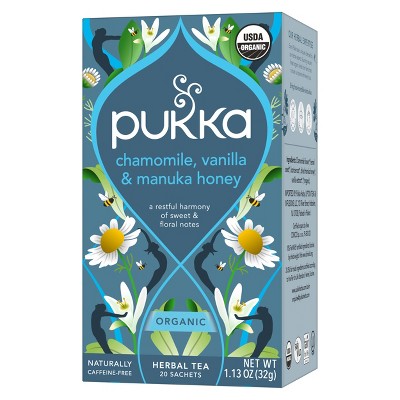
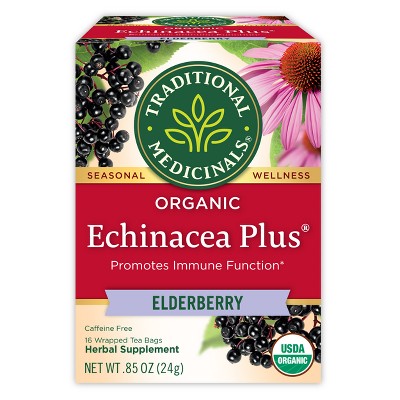
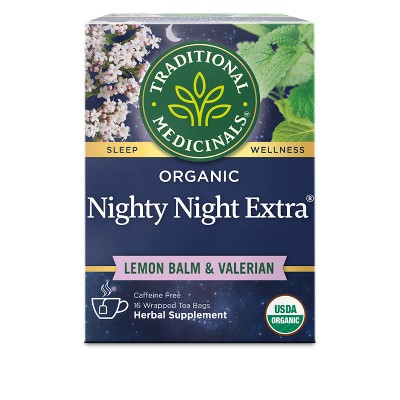
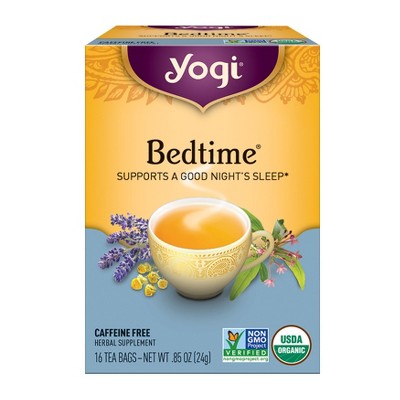
Common labels and certifications on ginger tea packaging include organic certification, Non‑GMO verification, gluten‑free, kosher, and vegan. Some products also display “caffeine‑free” or “decaffeinated” on the label.
Product descriptions recommend two common approaches: steep longer (typical instructions range from about 3–7 minutes depending on the blend) or use extra tea (for example, two tea bags or an extra sachet) to increase strength.
Ginger is frequently paired with citrus (lemon, lemongrass), warm spices (cinnamon, cardamom, clove, turmeric, black pepper), cooling herbs (peppermint, licorice), and fruit or honey notes (peach, honey flavor).
Ginger blends appear both as herbal, caffeine‑free infusions and as blends built on black tea, which contain caffeine. Check the product label to confirm the base and caffeine content.
Serving guidance varies by product. Some sachets are intended as a single‑serve for about a 12 oz cup, while other instructions suggest one sachet can brew two cups. Always check the package directions for the specific product.
Reviewers generally praise ginger tea for its flavor and perceived health benefits. A common complaint is that some blends brew weakly, prompting customers to steep longer or use two bags for more strength.