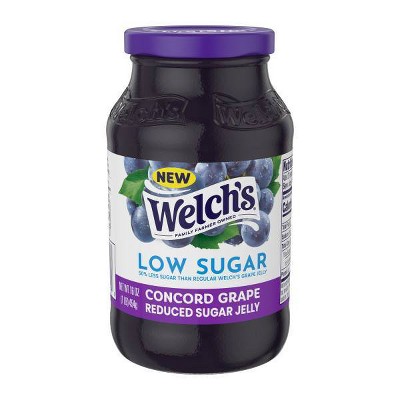
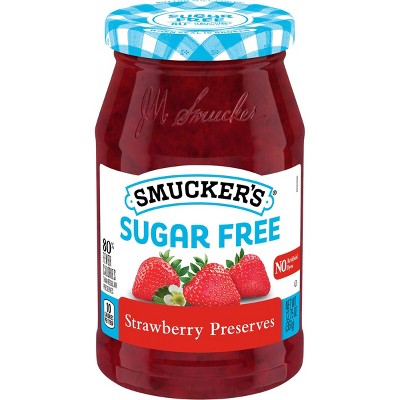
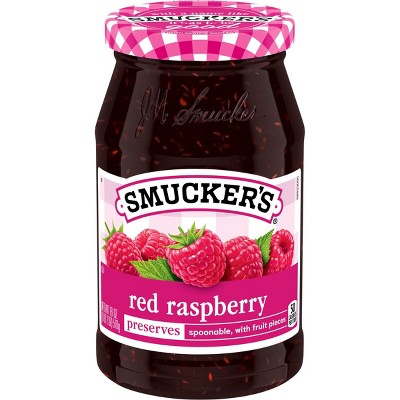
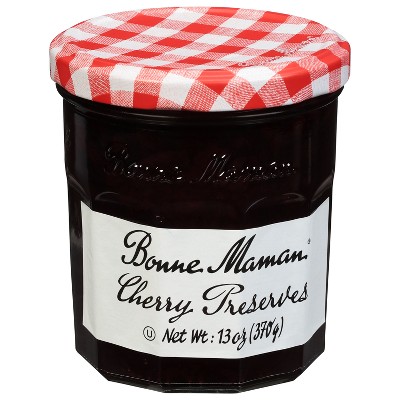
orange marmalade
210 results for “orange marmalade”
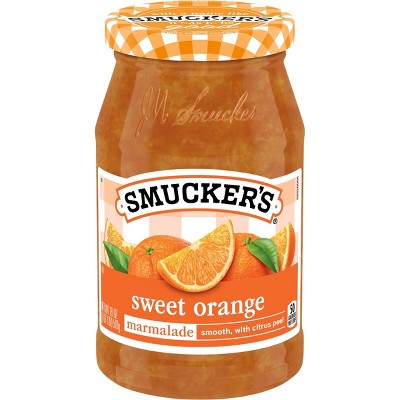
$3.99($0.22/ounce)
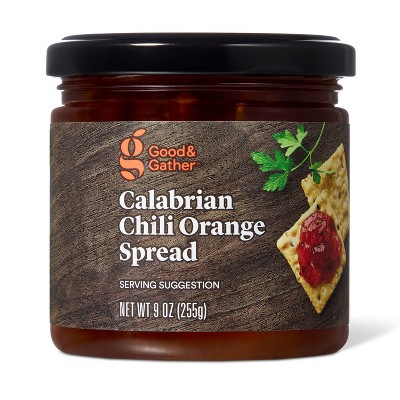
$4.49($0.50/ounce)
SNAP EBT eligible
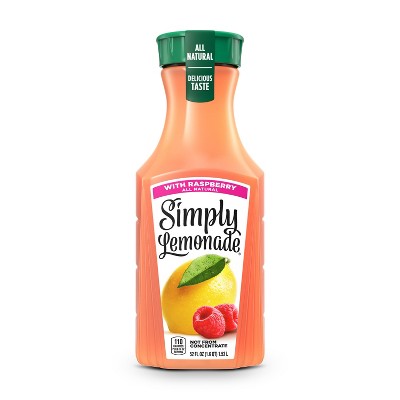
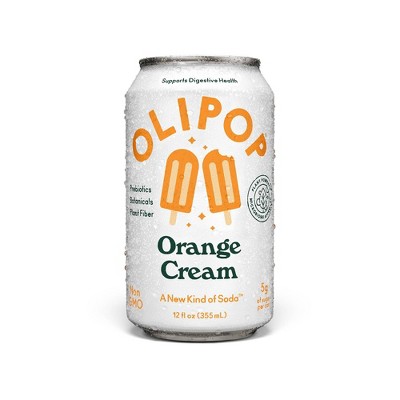
$2.49($0.21/fluid ounce)
SNAP EBT eligible
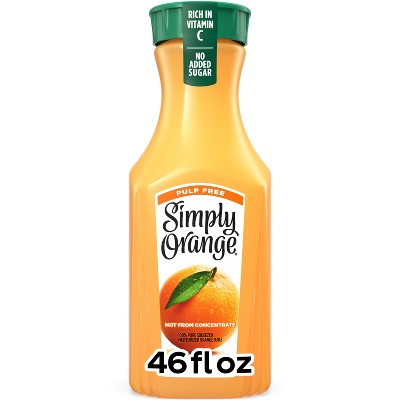
$4.99($0.11/fluid ounce)
Loved for: fresh flavor
SNAP EBT eligible
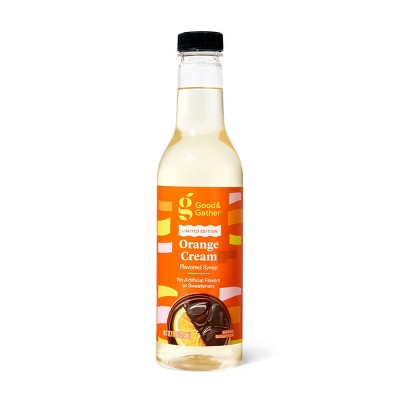
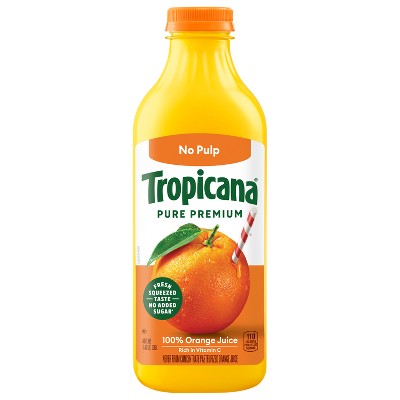
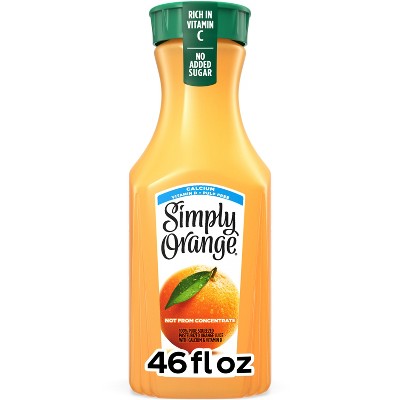
$4.99($0.11/fluid ounce)
Loved for: fresh taste
SNAP EBT eligible
Recommendations for you
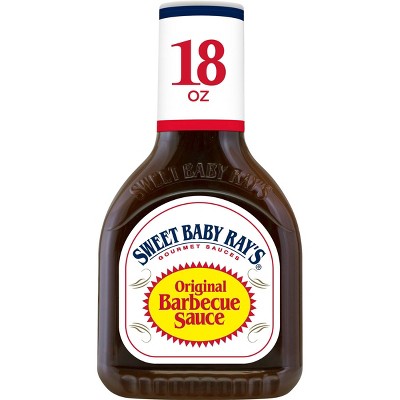
- Highly rated$2.59 - $4.29Buy 1, get 1 50% off Sweet Baby Ray's sauces & marinades on select items4.8 out of 5 stars with 4347 ratings
- $2.99($0.25/fluid ounce)4.2 out of 5 stars with 203 ratings
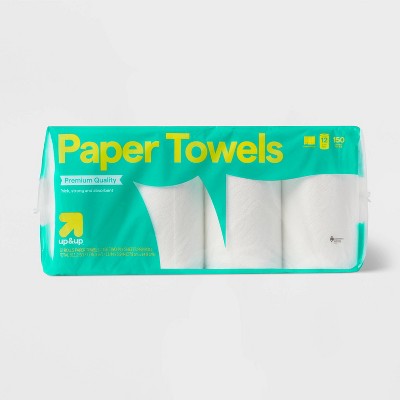
- Highly rated$6.29 - $19.99Lower price on select itemsBuy 1, get 1 25% off up&up™ home essentials4.6 out of 5 stars with 8925 ratings
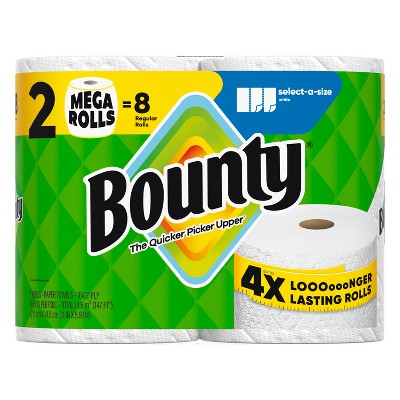
- Highly rated$4.99 - $33.49Buy 2 for $15 Bounty paper towels on select items4.7 out of 5 stars with 30166 ratings
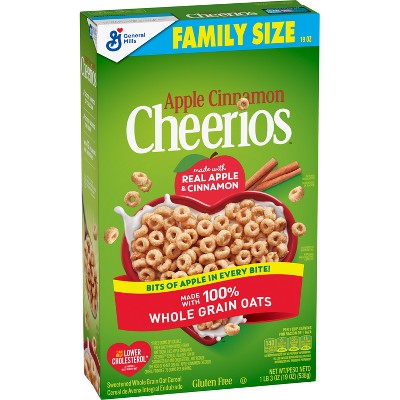
- Highly rated$3.49 - $6.19Buy 2 for $9 cold cereal on select items4.7 out of 5 stars with 16287 ratings
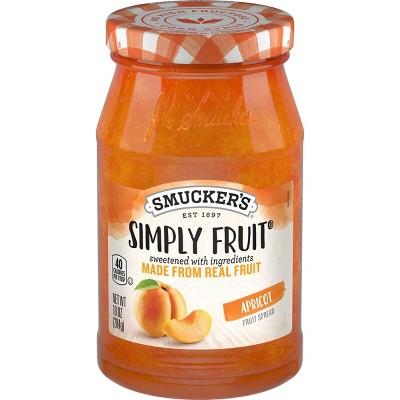
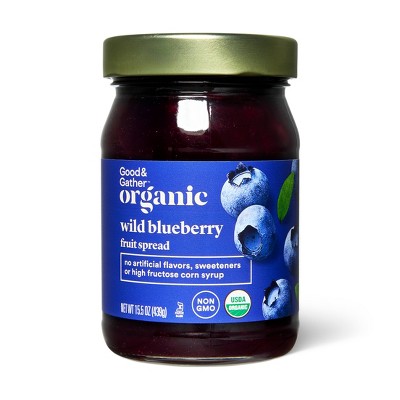
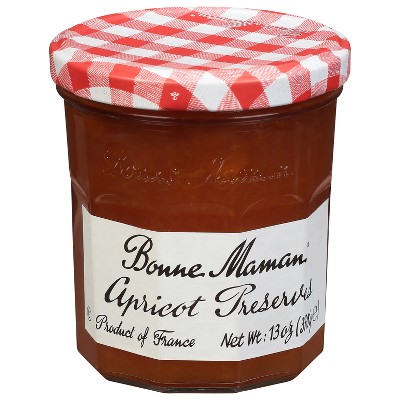
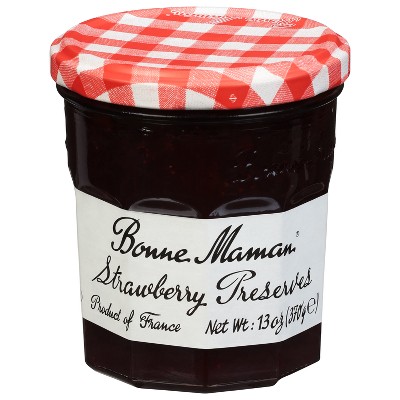
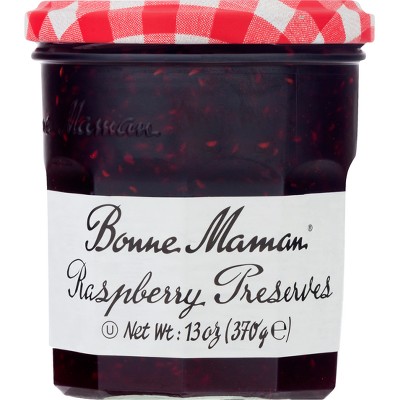
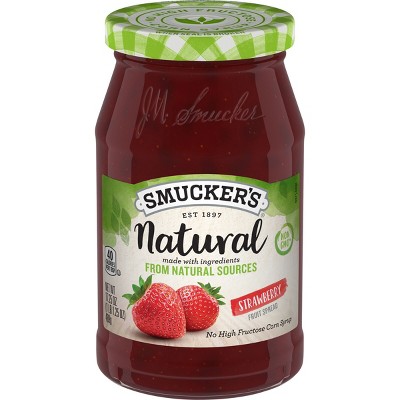
Sponsored
$5.99($0.08/fluid ounce)
$2.69($0.21/ounce)
was $3.49
Lower price on select items
SNAP EBT eligible
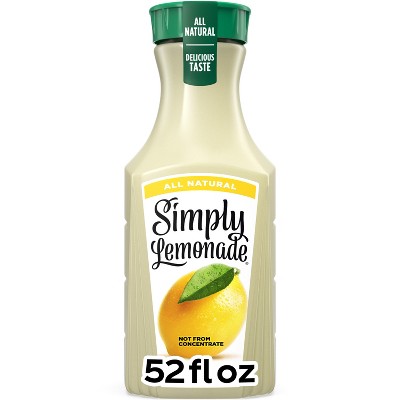
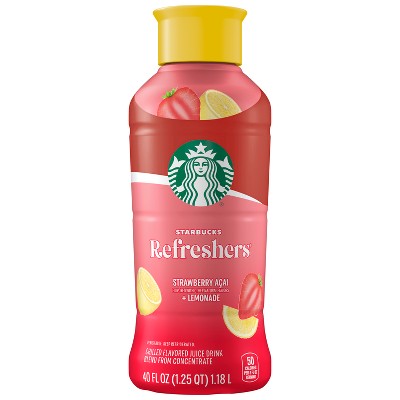
SNAP EBT eligible
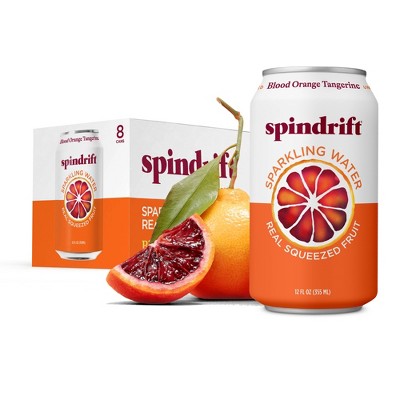
$6.49($0.07/fluid ounce)
reg $6.99
Sale
Loved for: clean ingredients
SNAP EBT eligible
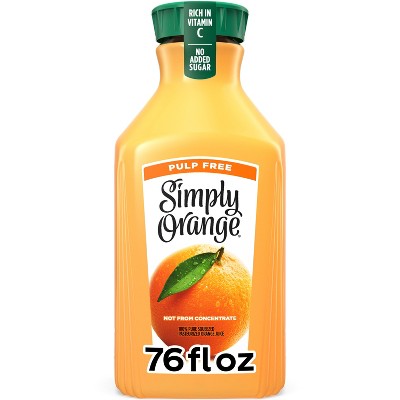
$7.79($0.10/fluid ounce)
SNAP EBT eligible
Related deals
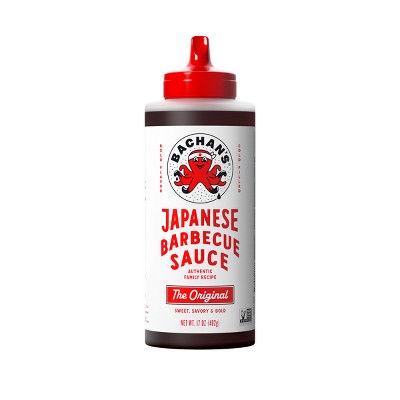
- Highly rated$8.49($0.50/ounce)Buy 1 get 1 50% off Bachan's BBQ & dipping sauces4.8 out of 5 stars with 3067 ratings
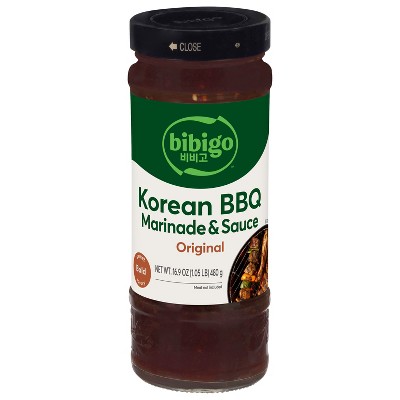
- $4.79($0.28/ounce)Coupon: $1 off4.7 out of 5 stars with 359 ratings
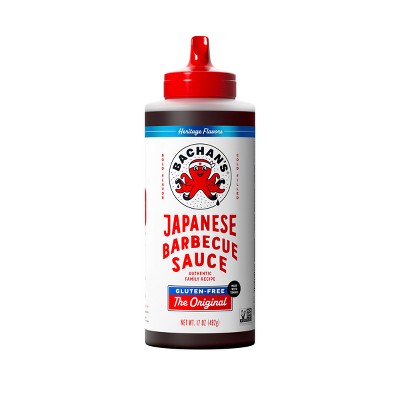
- Highly rated$8.49Buy 1 get 1 50% off Bachan's BBQ & dipping sauces4.9 out of 5 stars with 194 ratings
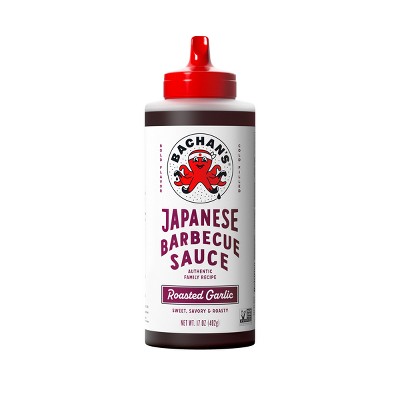
- $8.49($0.50/ounce)Buy 1 get 1 50% off Bachan's BBQ & dipping sauces4.8 out of 5 stars with 69 ratings
- $8.49($0.51/ounce)Buy 1 get 1 50% off Bachan's BBQ & dipping sauces4.8 out of 5 stars with 61 ratings
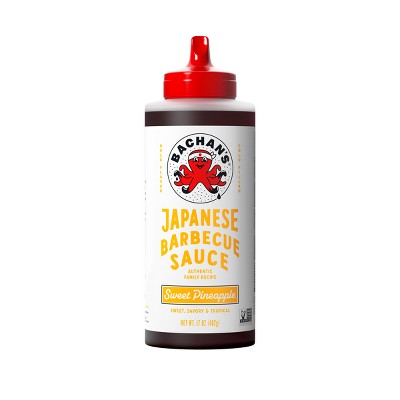
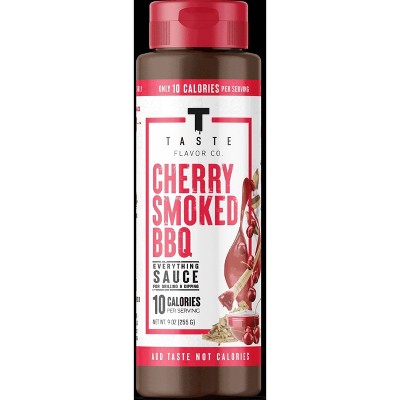
Sponsored
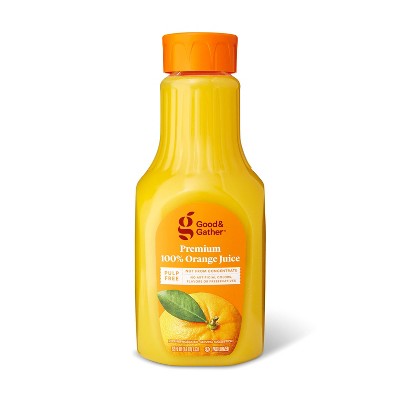
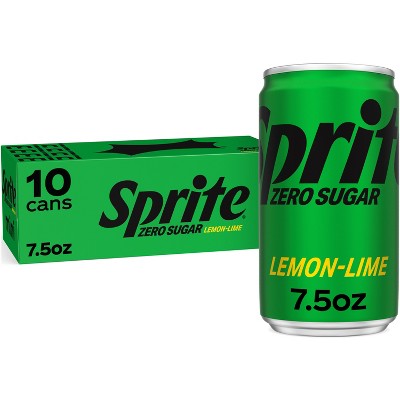
$5.99($0.08/fluid ounce)
Loved for: refreshing flavor
SNAP EBT eligible
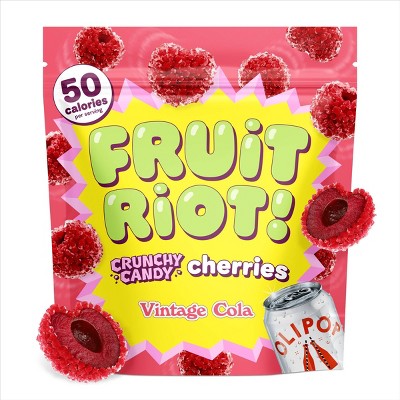
$5.99($0.75/ounce)
Loved for: addictive flavor
SNAP EBT eligible
$8.89($0.06/fluid ounce)
$2.99($0.25/fluid ounce)
Sponsored
Powered by AI
Guests also ask:
Related searches
- orange marmelade
- apricot marmalade
- lemon marmalade
- orange marmalade sauce
- orange marmalade fruit spread
- orange jam
- ginger marmalade
- sugar free orange marmalade
- orange preserves
- marmelade
- lemon ginger marmalade
- seville orange marmalade
- mamade orange marmalade
- apricot jam
- dundee orange marmalade
- avocado oul
- green agave
- avocado iil
- seedless jelly
- curry mustard