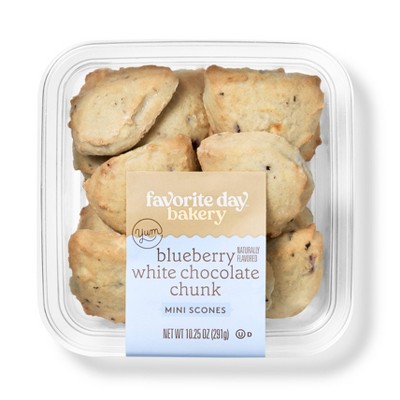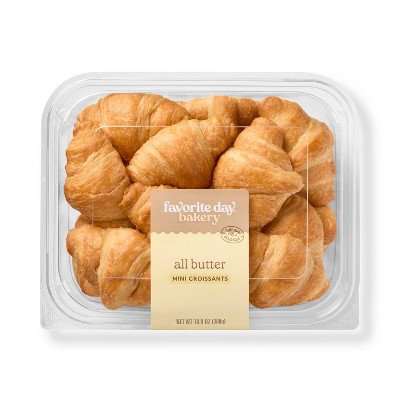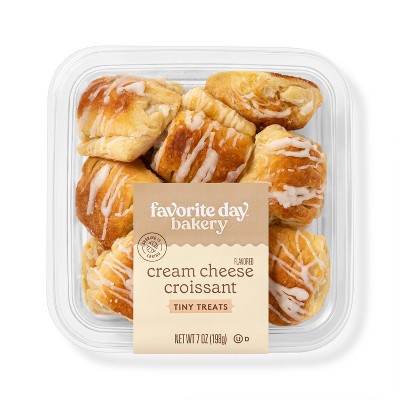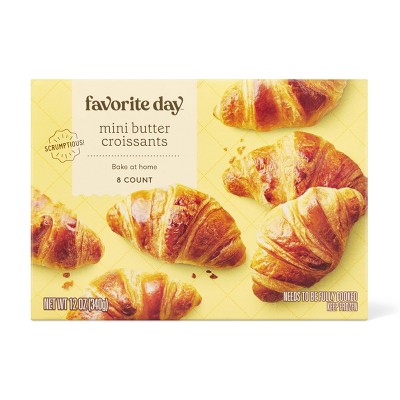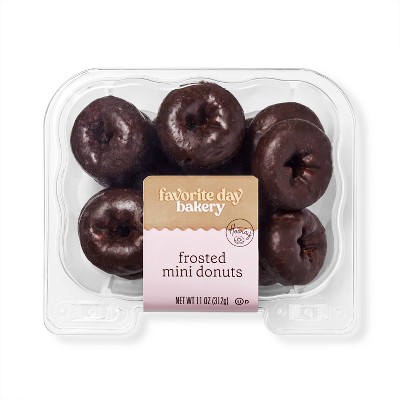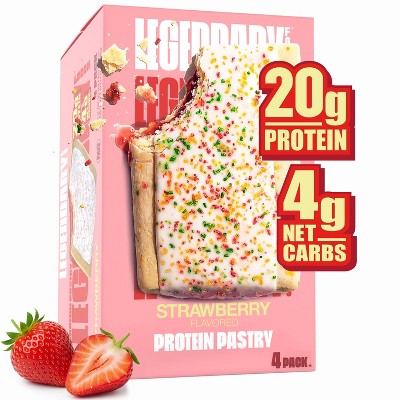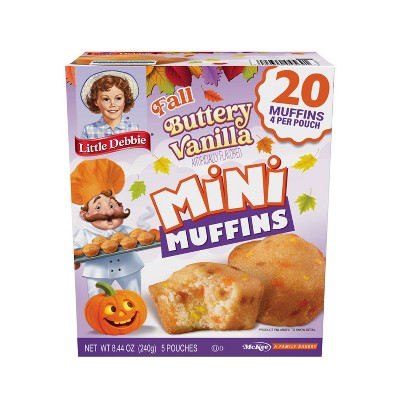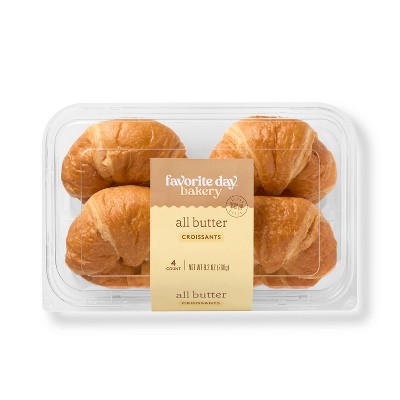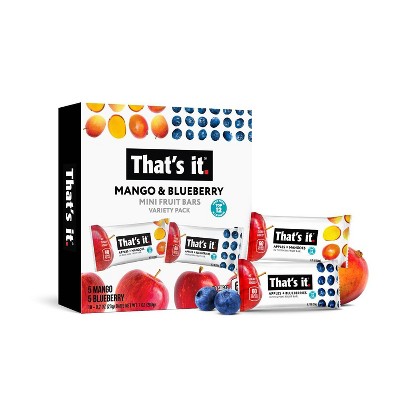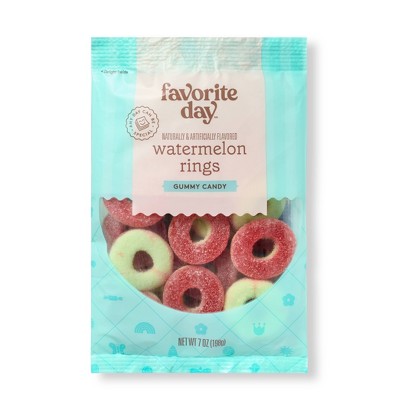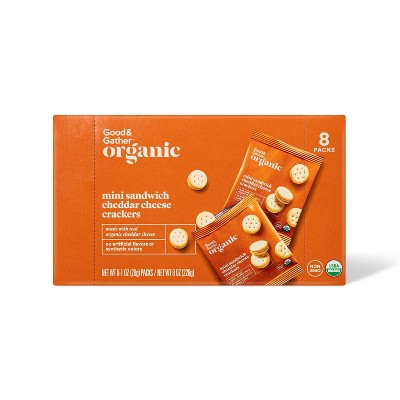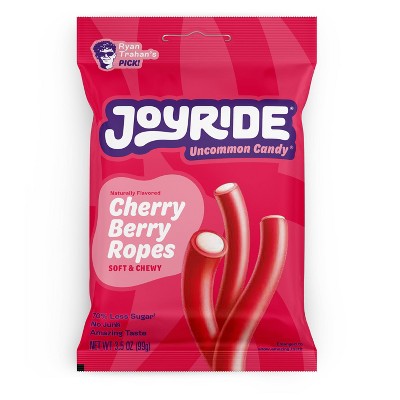
Snack pastries are often individually wrapped or packed in small, portable pouches and sleeves designed to fit in lunchboxes, backpacks, or purses for easy on-the-go snacking. Common formats include single-serve wrappers and multi-pack pouches that keep items fresh and convenient to carry.
Packaged snack pastries offer a range of textures, from chewy bars and moist sponge snack cakes to flaky, layered puff pastries. Product descriptions typically highlight whether an item is chewy, soft/moist, or crisp and flaky.
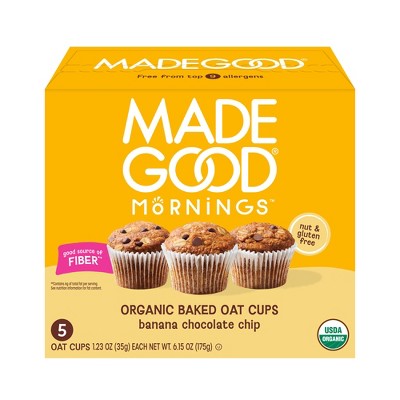
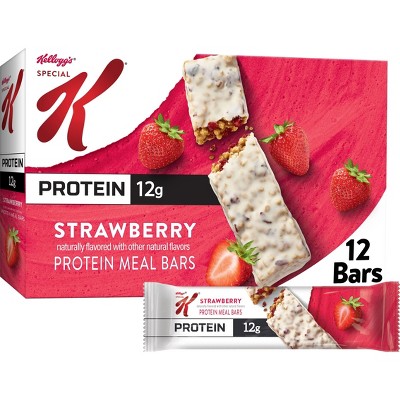
Multi-packs are usually divided into single-serve portions—often individually wrapped items or two-per-pouch servings—so they’re easy to share or take one at a time. Other formats package many pieces together in a box (dozens) intended for sharing or bulk use.
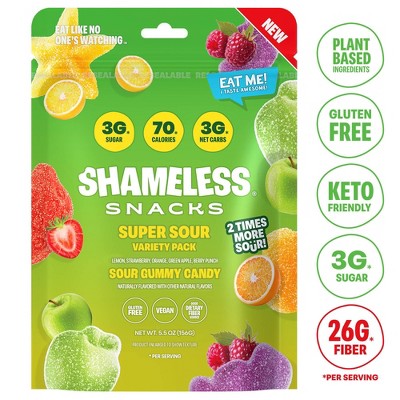
Packaging often lists common allergens such as eggs, soy, milk and wheat, and may note possible tree nut or peanut exposure. Some items are specifically labeled gluten-free, dairy-free, or free from one or more of the top nine allergens. Because formulations and cross-contact warnings vary, always check the product ingredient label for the most accurate information.
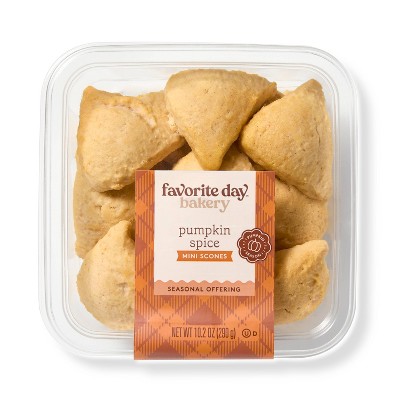
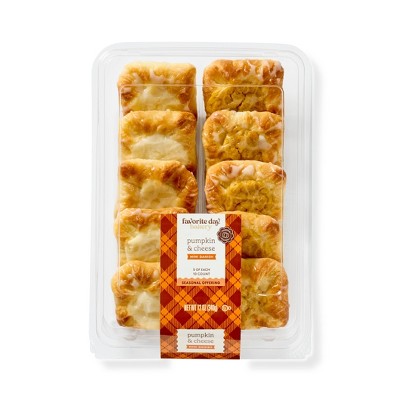
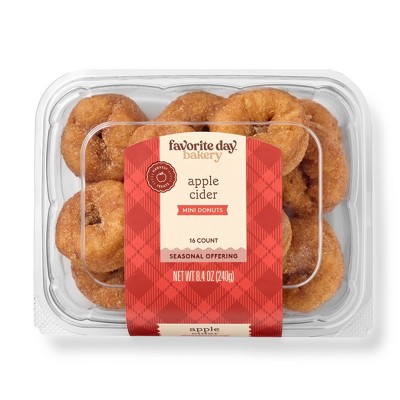
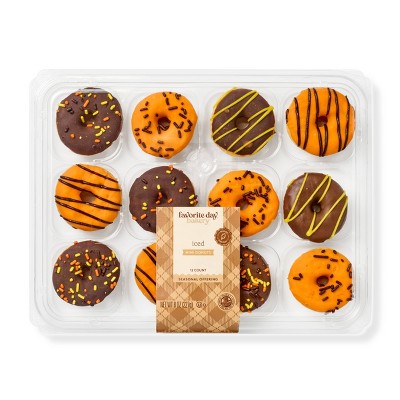
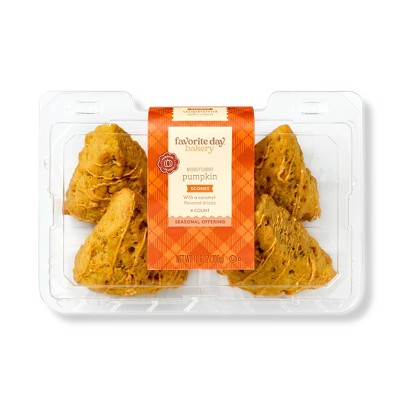
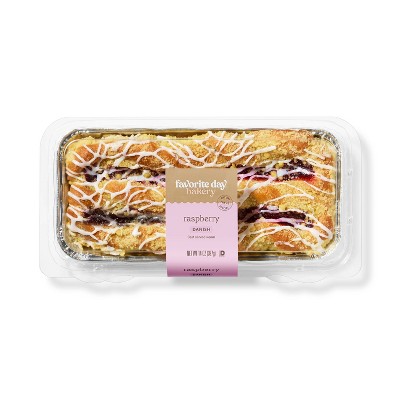
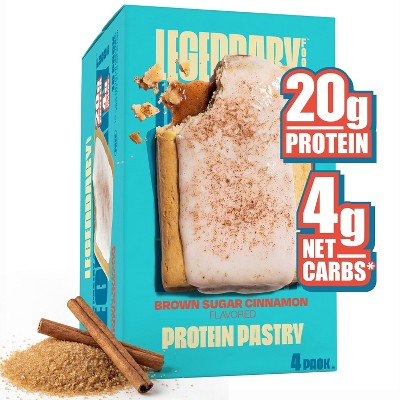
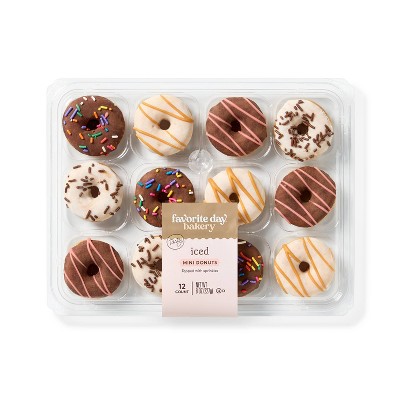
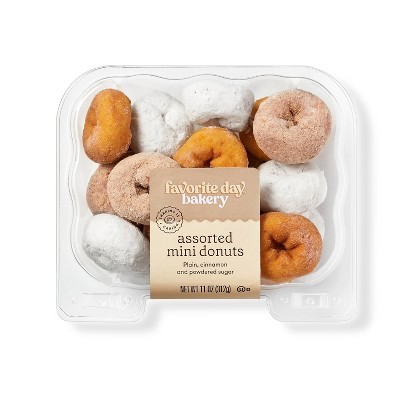
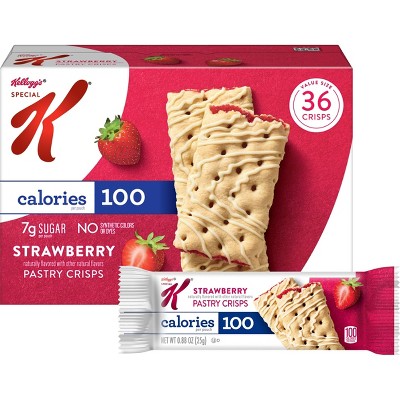
Packaged pastries are sold as single items and in multi-packs. Typical package quantities shown include 1, 6, 10, 12 and 36 per package, though available counts vary by brand and product.
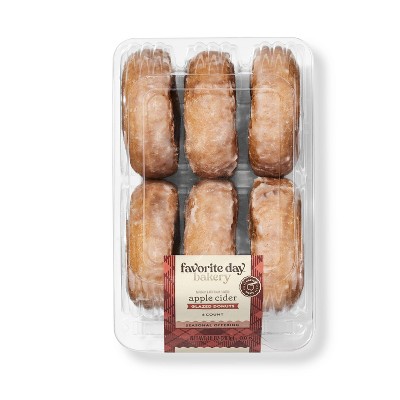
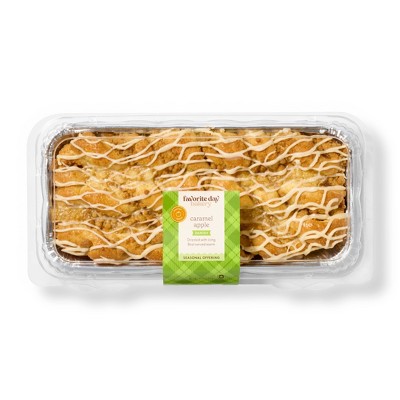
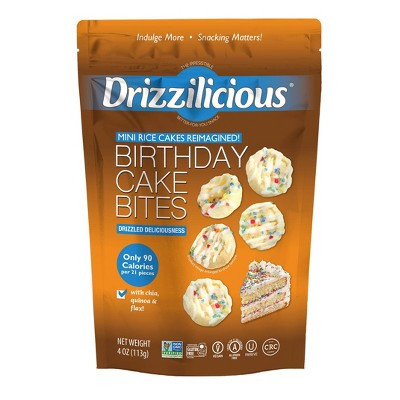
Common toppings and finishes include cinnamon, various icings (such as buttercream), glazed coatings, oats and brown sugar on fruit crumbles, and decorative icing drizzles or sprinkles.
The pastry crisps list 100 calories per serving, 7 g sugar per serving (including 2 g sugar alcohol), and 1 g protein per serving. Allergen notes include wheat, milk and soy, and the item is labeled Kosher Dairy.
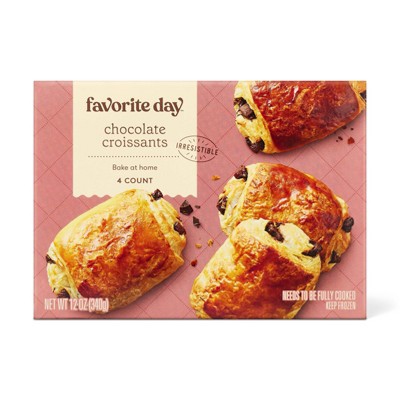
Frozen pre-baked pastries should be kept frozen until use and can be reheated in an oven (preheat to 350°F; heat about 15–20 minutes) or microwaved (about 50–60 seconds). Refrigerated puff pastry sticks are typically pulled apart, twisted and baked until done and are labeled to be fully cooked before eating.