rock polisher
1,000+ results for “rock polisher”
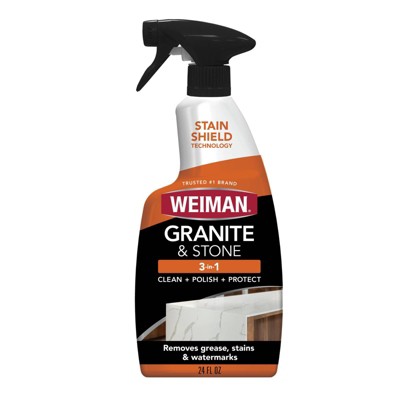
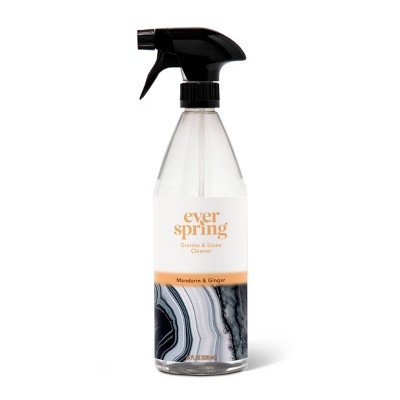
$5.99($0.21/fluid ounce)
Mandarin & Ginger Granite & Stone Cleaner - 28 fl oz - Everspring™: Liquid Spray, Countertop Cleaner
EverspringOnly at target
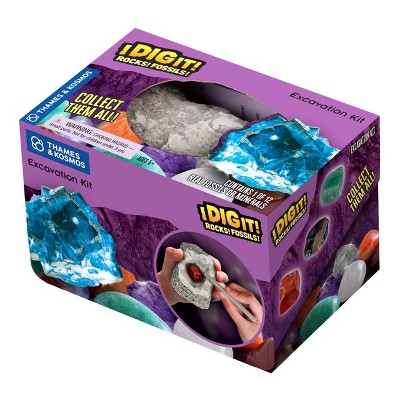
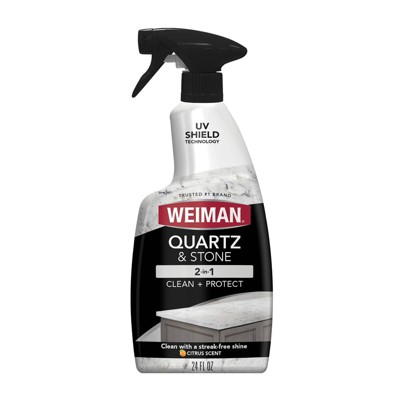
$8.79($0.40/fluid ounce)
Loved for: easy to use
Recommendations for you
- $17.50 - $25.00Select items on clearance4.4 out of 5 stars with 753 ratings
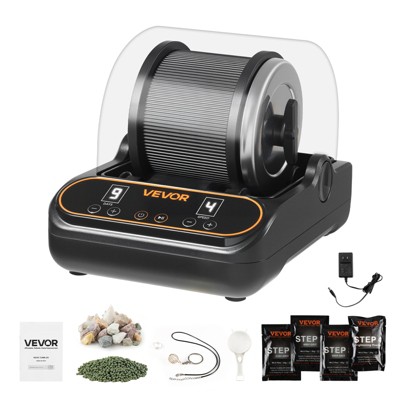
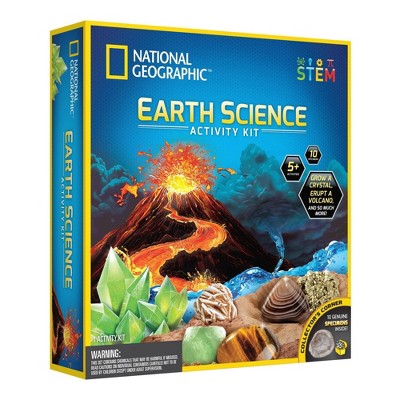
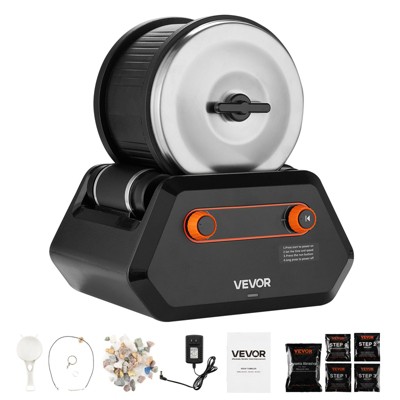
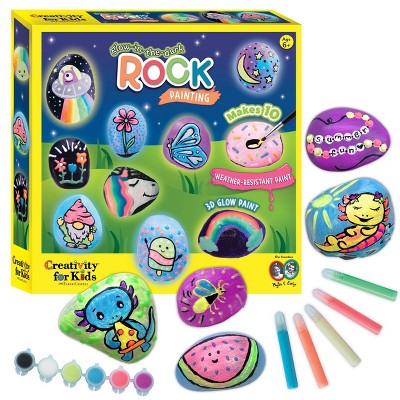
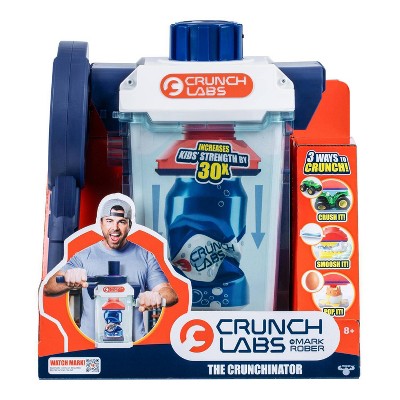
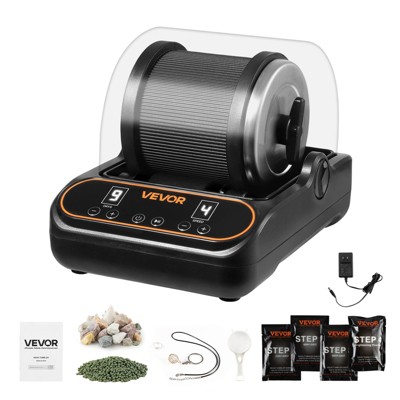
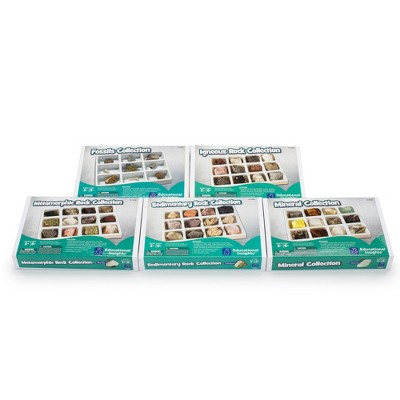
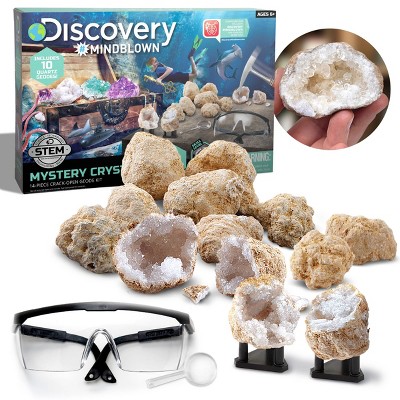




Sponsored
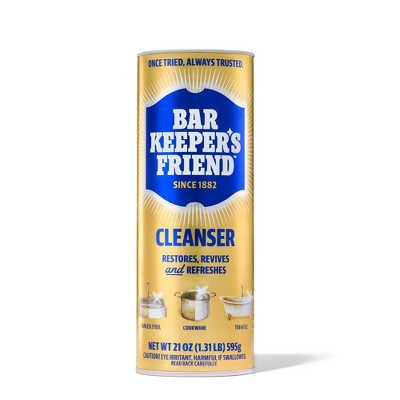
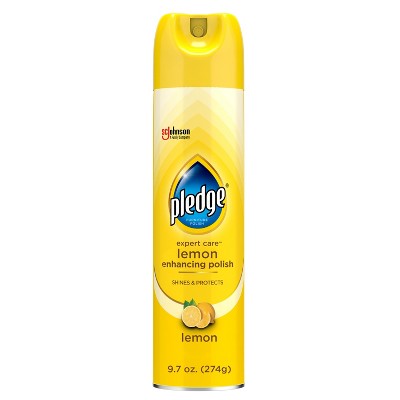
$11.04
reg $12.99
Clearance
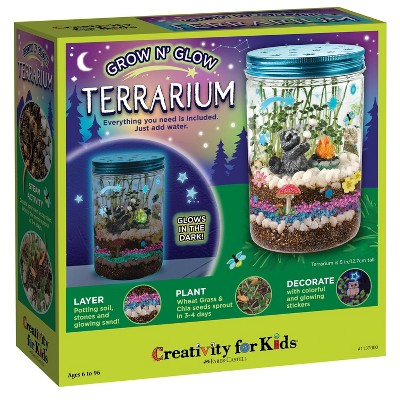
Loved for: Fun Project
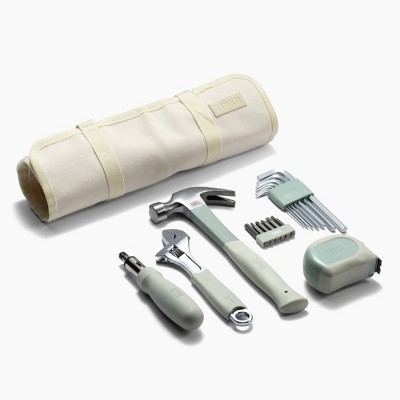
$26.99
was $29.99
New lower price
Loved for: sturdy construction
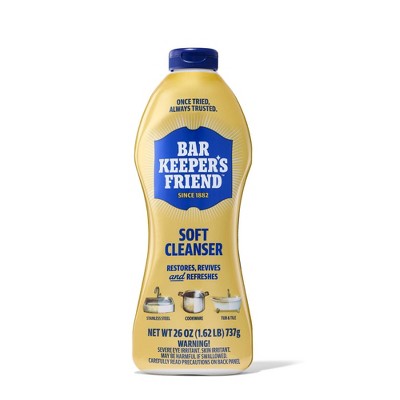
$3.19($0.12/ounce)
Loved for: effective cleaner
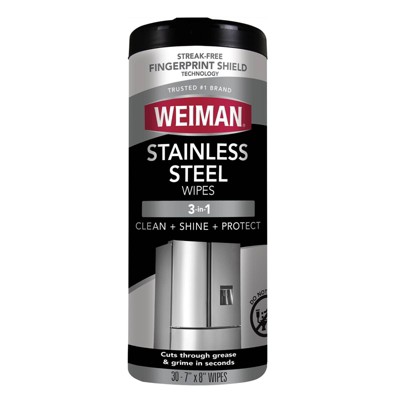
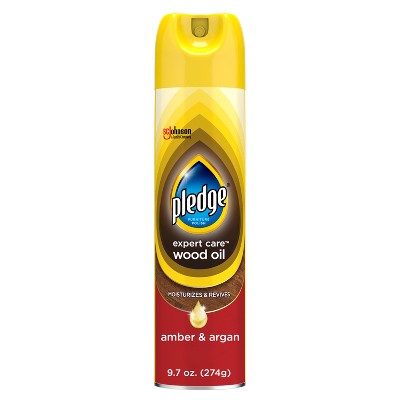
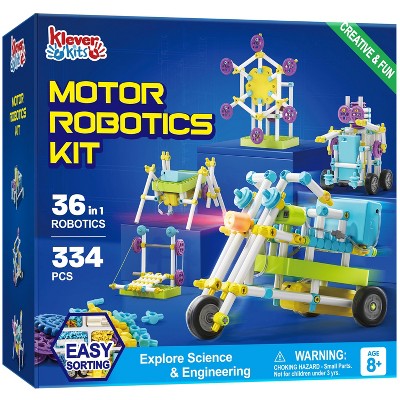





Sponsored
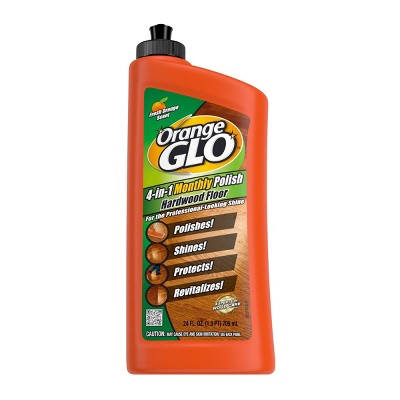
$8.79($0.37/fluid ounce)
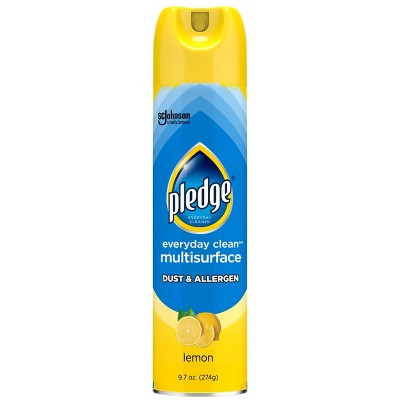
$5.89($0.61/ounce)
Loved for: Effective Cleaning
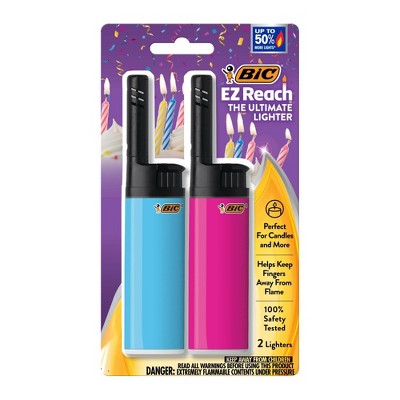
$5.59($2.80/count)
Loved for: easy to use
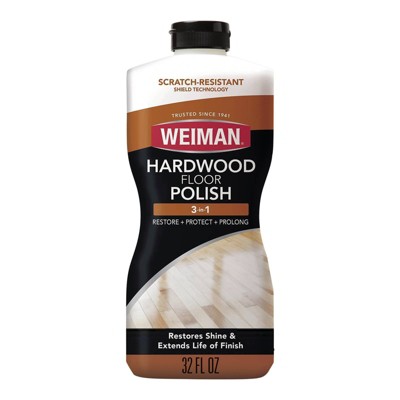
Sponsored
Powered by AI
Guests also ask:
Page 1Page 2Page 3Page 4Page 5Page 6Page 7Page 8Page 9Page 10Page 11Page 12Page 13Page 14Page 15Page 16Page 17Page 18Page 19Page 20Page 21Page 22Page 23Page 24Page 25Page 26Page 27Page 28Page 29Page 30Page 31Page 32Page 33Page 34Page 35Page 36Page 37Page 38Page 39Page 40Page 41Page 42Page 43Page 44Page 45Page 46Page 47Page 48Page 49Page 50
Related searches
- rock cleaner
- air sander polisher
- ring polisher
- silver polisher
- tooth polisher
- wood polisher
- floor polisher
- polishing compound
- polisher meguiars
- engine cleaner
- turtle wax polisher
- best floor polishers
- unstoppables cleaner
- oxy cleaner
- diamond cleaner
- ecos cleaner
- suface cleaner
- clean cleaners
- oxy carpet cleaner
- safe step rock salt
Trending now
- $39.99was $44.99 New lower price4.7 out of 5 stars with 31 ratings
- $24.99was $29.99 New lower price4.6 out of 5 stars with 30 ratings