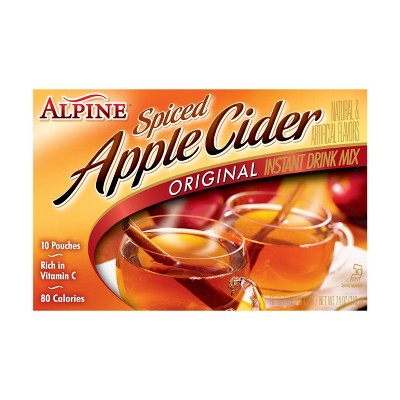
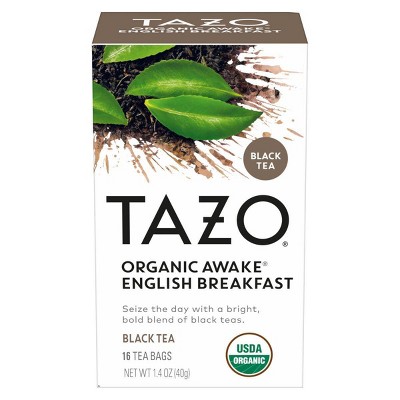
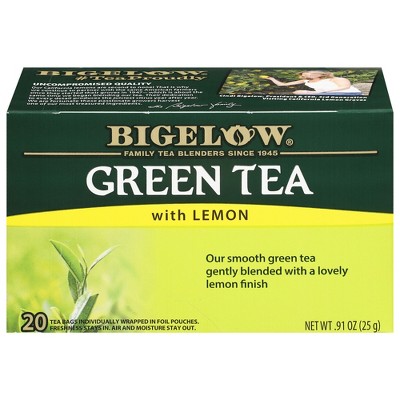
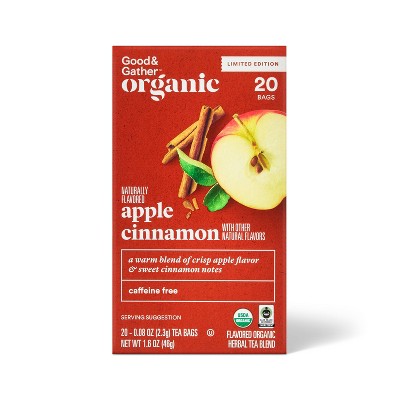
natural tea
253 results for “natural tea”
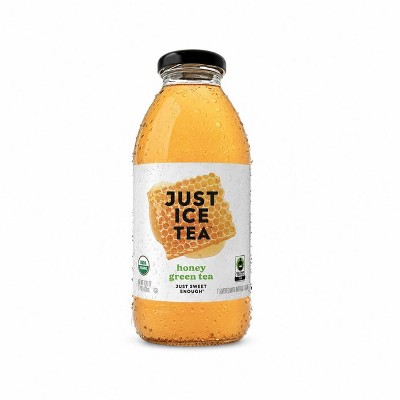
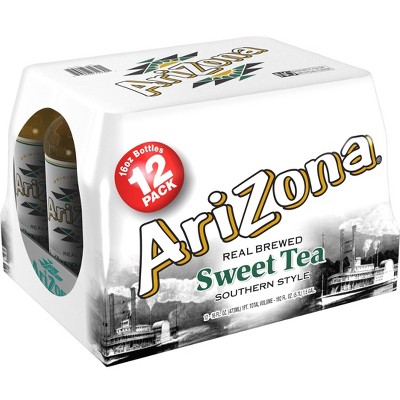
$7.99($0.04/fluid ounce)
SNAP EBT eligible
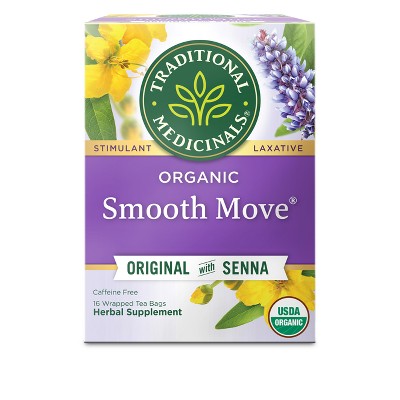
$5.99($5.30/ounce)
Loved for: natural ingredients
SNAP EBT eligible
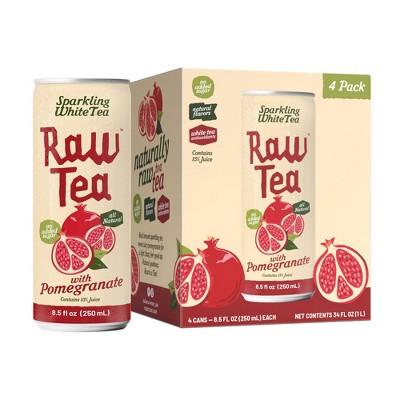
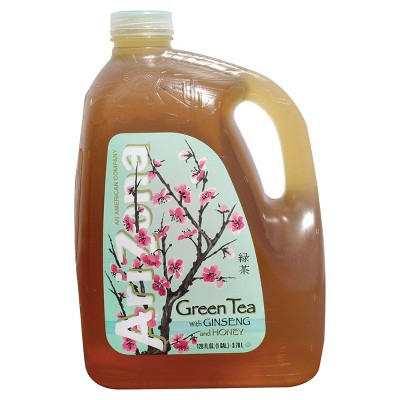
$2.99($0.02/fluid ounce)
reg $3.89
Sale
Loved for: Flavor
SNAP EBT eligible
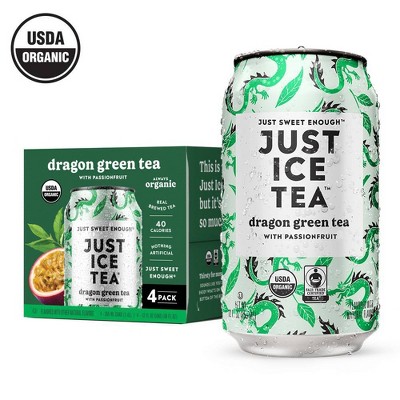
$7.99($0.17/fluid ounce)
Loved for: organic ingredients
SNAP EBT eligible
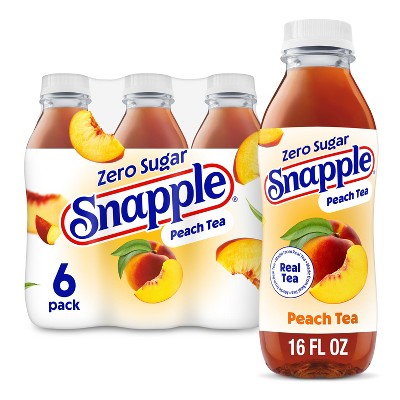
$6.39($0.07/fluid ounce)
Lower price on select items
Buy 4 for $5 Snapple tea & juice drinks on select items
Loved for: zero calories
SNAP EBT eligible
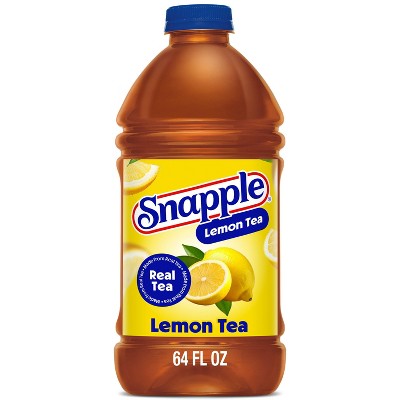
$2.39($0.04/fluid ounce)
was $2.79
Lower price on select items
Buy 4 for $5 Snapple tea & juice drinks on select items
Loved for: variety of flavors
SNAP EBT eligible
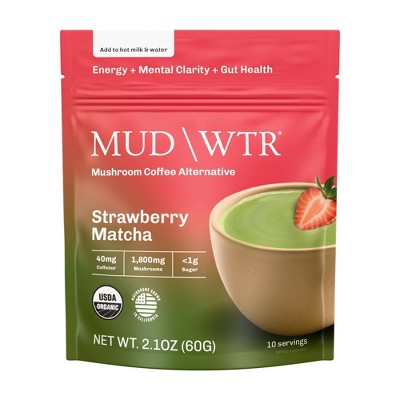
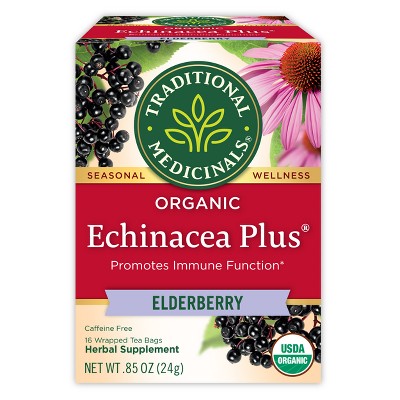
$5.99($7.05/ounce)
Loved for: immune support
SNAP EBT eligible
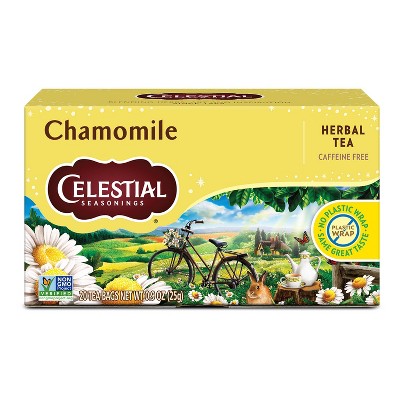
$3.69($4.10/ounce)
Loved for: great flavor variety
SNAP EBT eligible
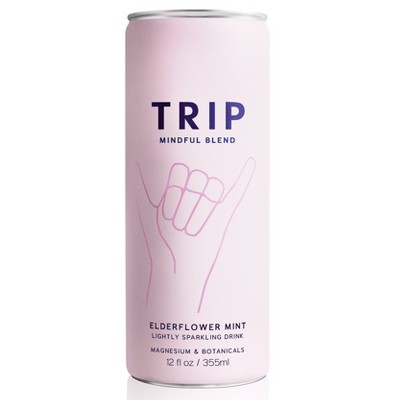
$2.79($0.23/fluid ounce)
Sponsored
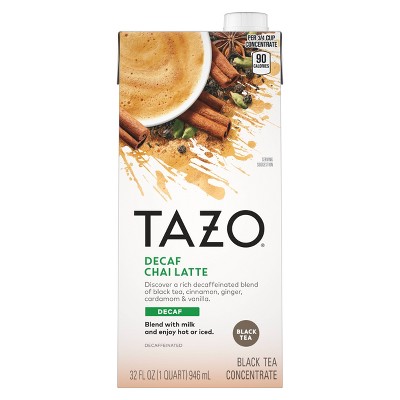
$5.39($0.17/fluid ounce)
Select items on sale
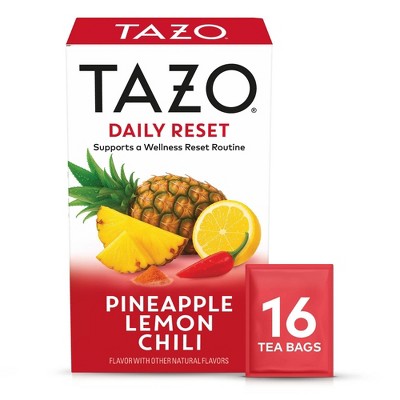
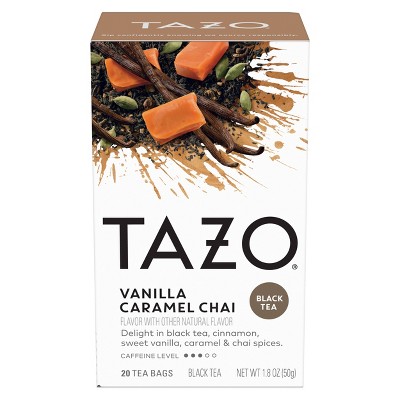
$4.29($2.38/ounce)
Loved for: great aroma
SNAP EBT eligible
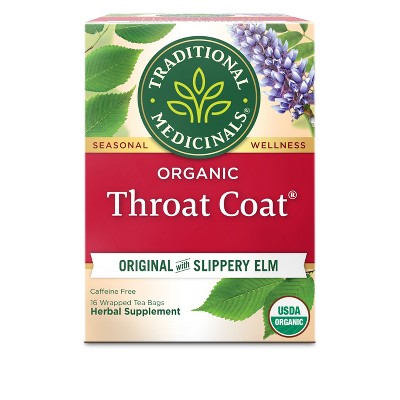
$5.99($5.30/ounce)
Loved for: soothing properties
SNAP EBT eligible
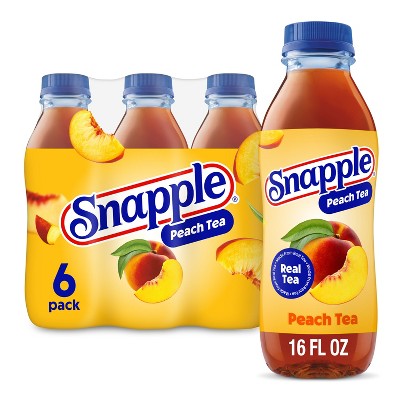
$6.39($0.07/fluid ounce)
Lower price on select items
Buy 4 for $5 Snapple tea & juice drinks on select items
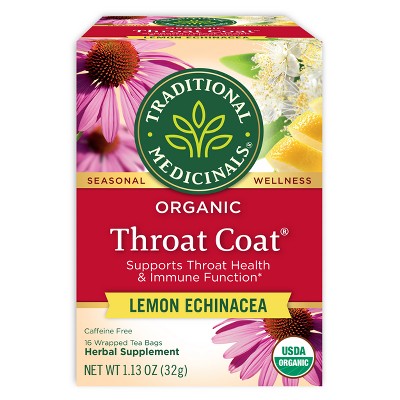
$5.99($5.30/ounce)
SNAP EBT eligible
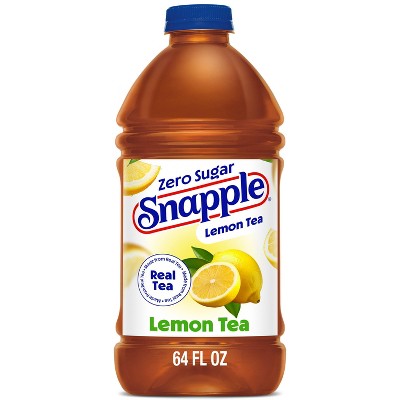
$2.39($0.04/fluid ounce)
was $2.79
Lower price on select items
Buy 4 for $5 Snapple tea & juice drinks on select items
Loved for: zero calories
SNAP EBT eligible
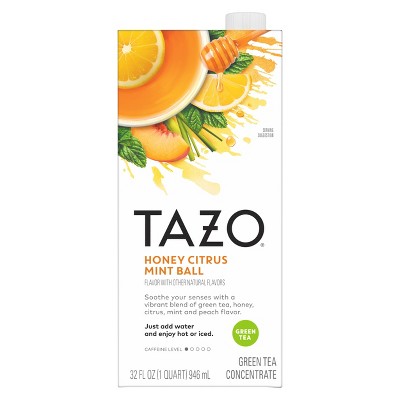
$5.84
reg $6.49
Sale
SNAP EBT eligible
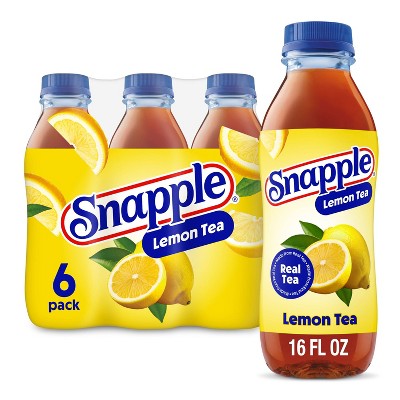
$6.39($0.07/fluid ounce)
Lower price on select items
Buy 4 for $5 Snapple tea & juice drinks on select items
Loved for: variety of flavors
SNAP EBT eligible
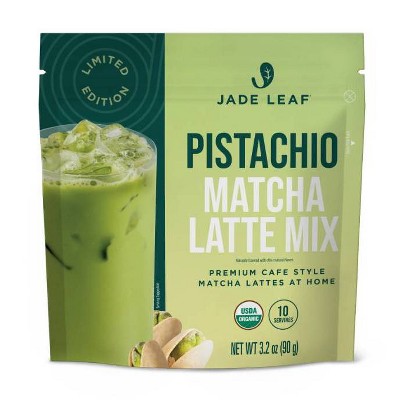
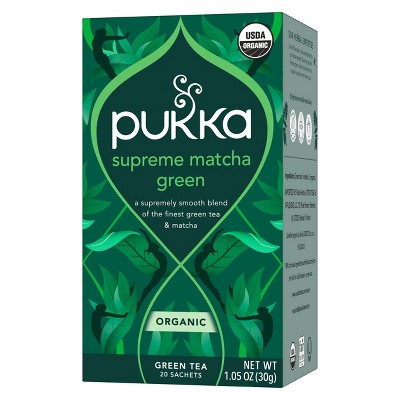
$5.89($5.61/ounce)
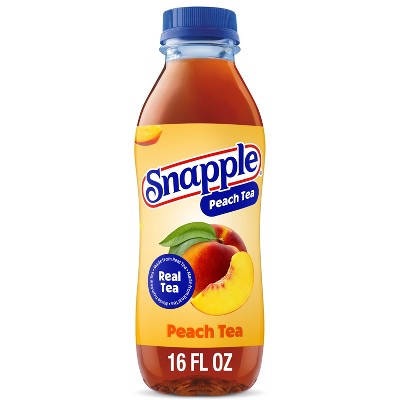
$1.69($0.11/fluid ounce)
Lower price on select items
Buy 4 for $5 Snapple tea & juice drinks on select items
Loved for: variety of flavors
SNAP EBT eligible
Sponsored
Powered by AI
Guests also ask:
Trending now
- $3.05($0.41/ounce)reg $3.39 Sale4.7 out of 5 stars with 400 ratings