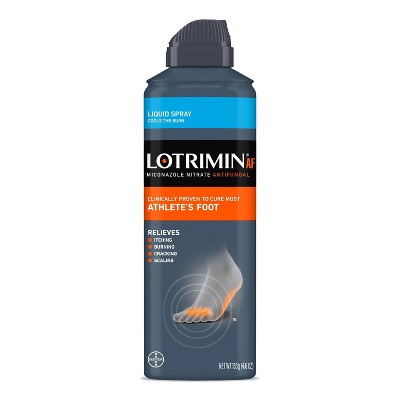
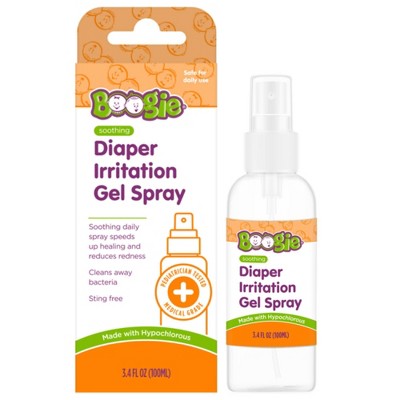
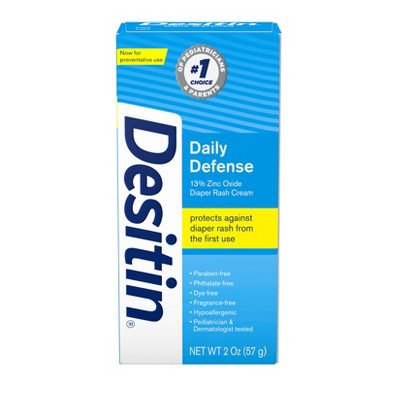
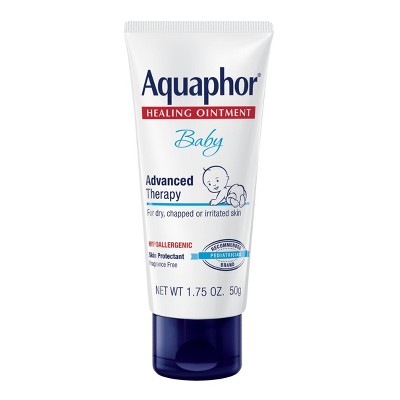
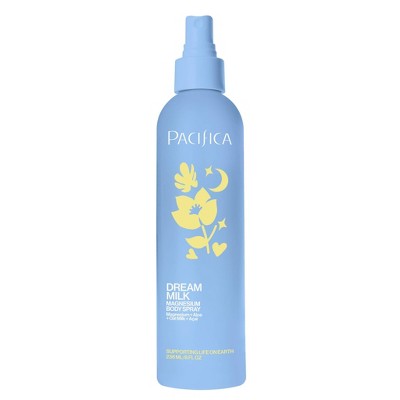
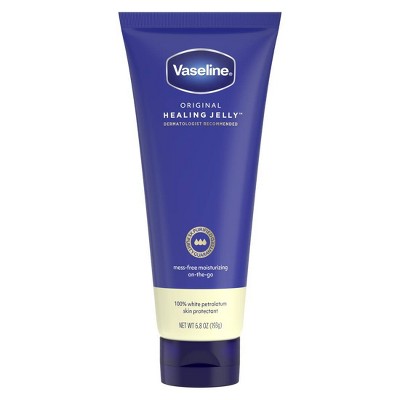
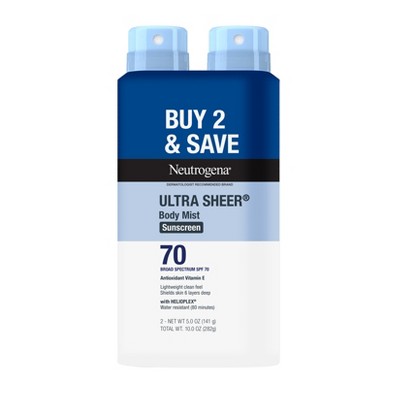
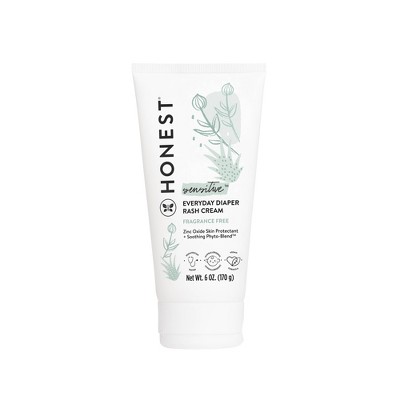
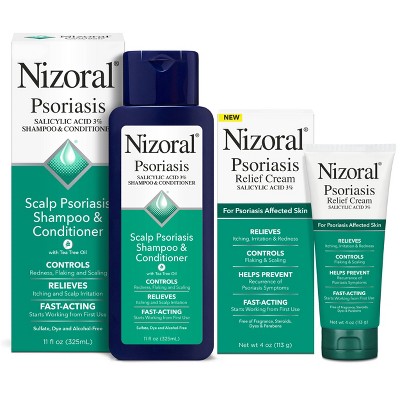
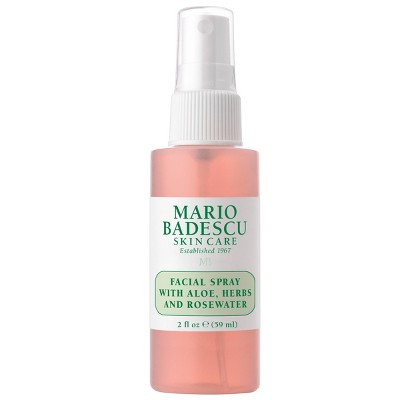
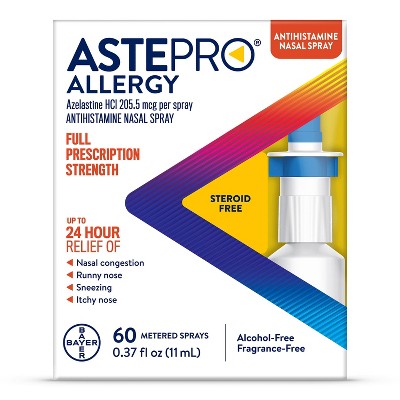
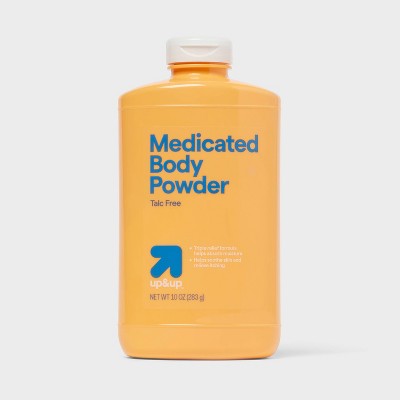
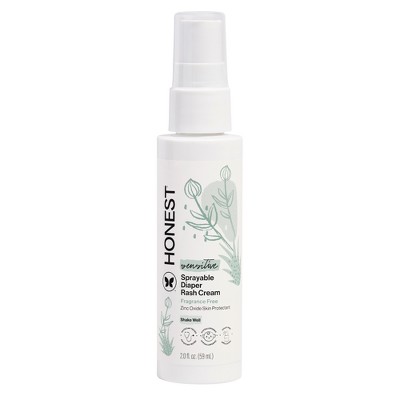
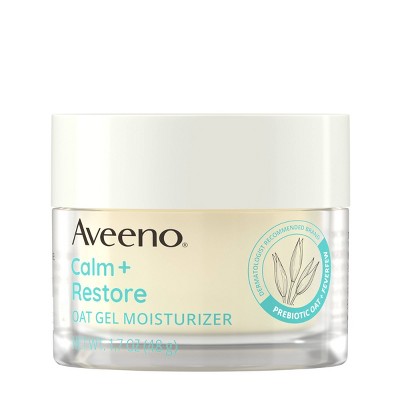
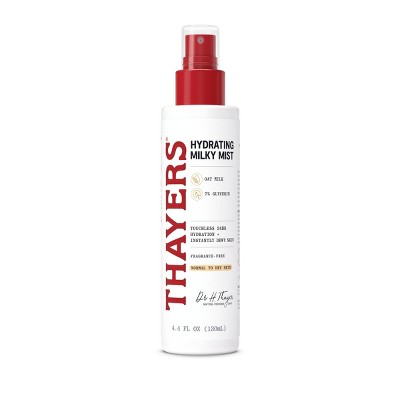
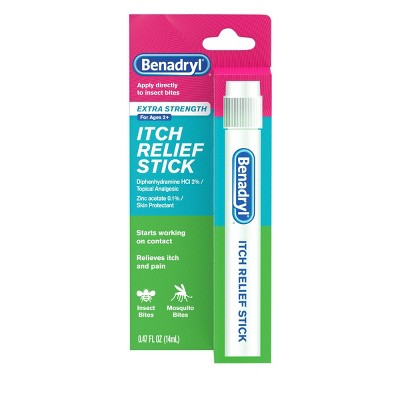
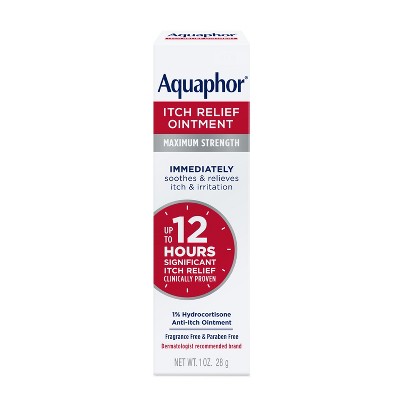
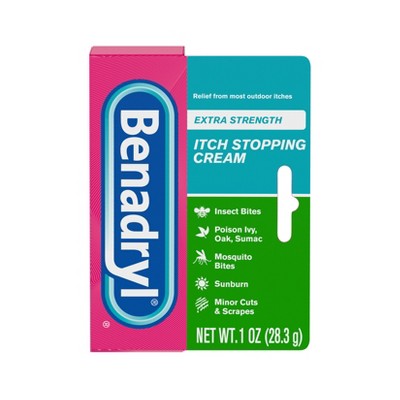
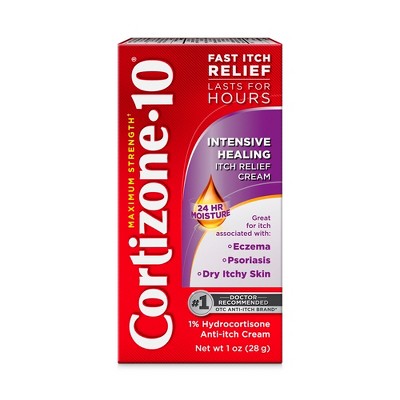
Labeling varies by product: some sprays are marked for all ages or specifically for newborns; others list infant ranges (for example 0–2 years). Several over-the-counter sprays are intended for children aged two years and older. Always check the product label for the exact age recommendation.
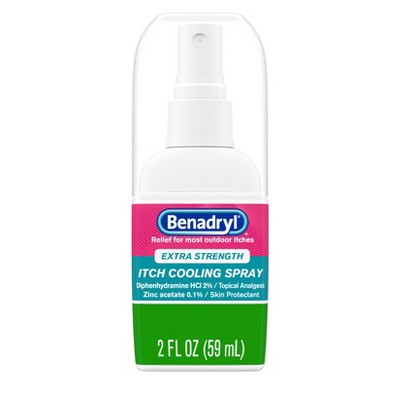
Bottle sizes in these results range from about 1.7 fl oz up to roughly 4.1 fl oz, with common sizes near 2 fl oz and 4 fl oz. Check the product page or label for exact volume.
Directions vary by product. Some topical itch sprays specify a maximum daily application (for example, no more than three to four times per day), while some diaper-care sprays advise applying at each diaper change. Always follow the product’s directions and consult a healthcare provider if you’re unsure or if symptoms persist.
Yes. Some sprays are described as moisturizing or water-free ointments that help lock in moisture, while certain diaper-rash sprays form a protective barrier or layer to seal out wetness and protect skin. Benefits depend on the specific formula, so check the product description.
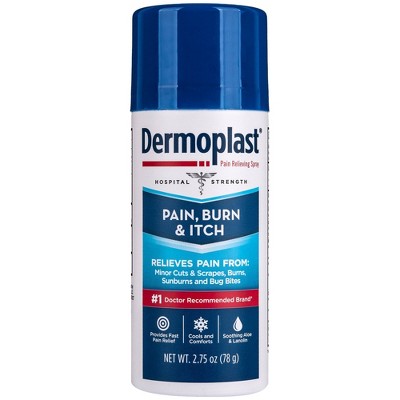
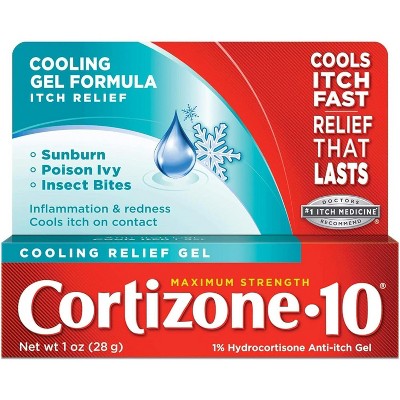
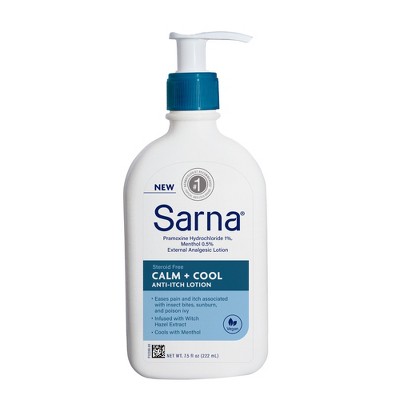
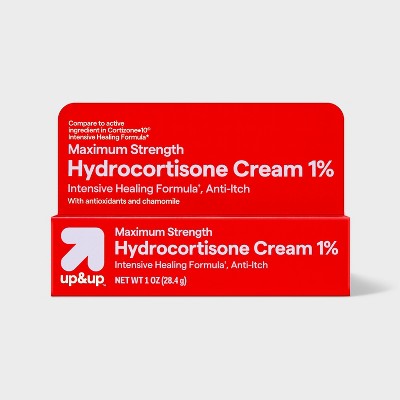
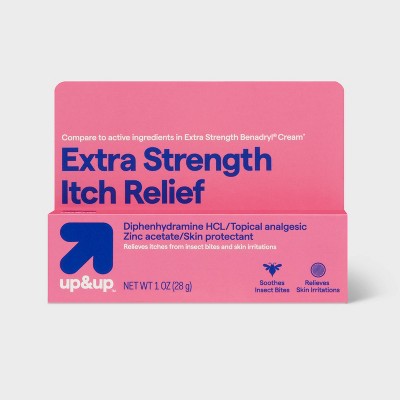
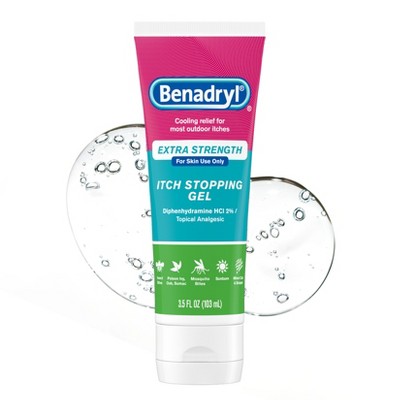
Product descriptions list relief for a range of minor skin issues, including insect bites and outdoor itches, rashes from poison plants, minor cuts and scrapes, sunburn and minor burns, diaper rash, dry or rough skin, and irritation associated with conditions like eczema and rosacea. Check each product’s labeling for specific intended uses.
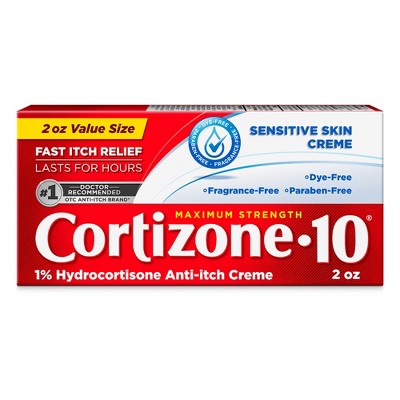
Common labeling terms include Unscented / No Fragrance Added / Fragrance-Free, Hypoallergenic, Alcohol-Free, Paraben-Free, Lanolin-Free, and Dye-Free. These labels can help when selecting a product for sensitive skin—confirm specifics on the product label.
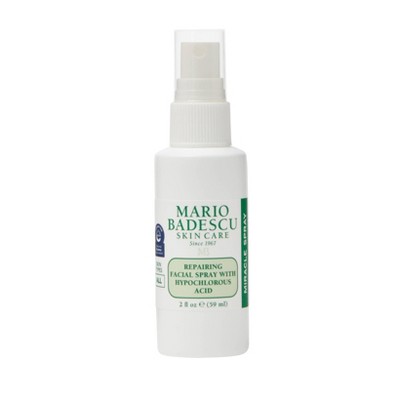
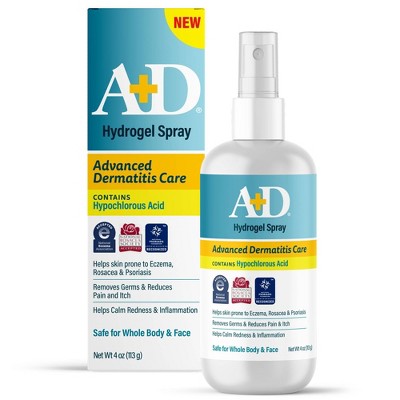
Sprays come in mist or spray formats, continuous spray cans, and touch-free/no-rub applicators. These designs allow hands-off or minimal-contact application for a quick, mess-free experience—useful for hard-to-reach areas or when you want to avoid direct contact with irritated skin.