brown sugar light
204 results for “brown sugar light”
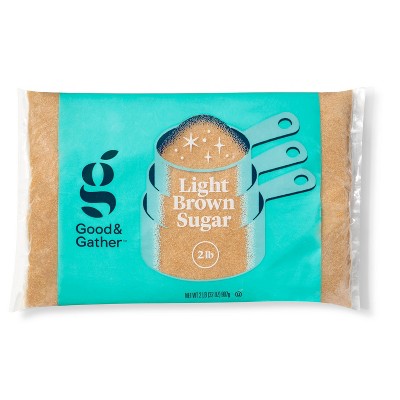
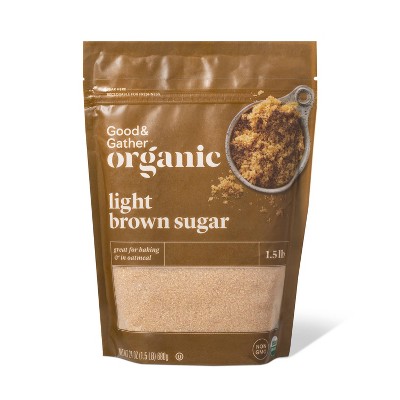
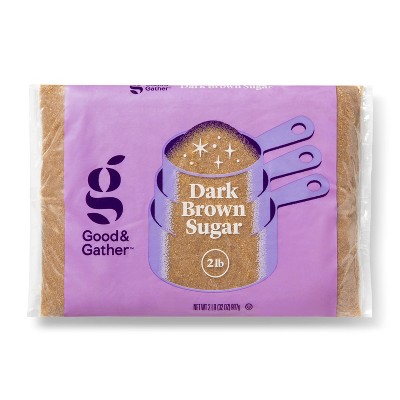
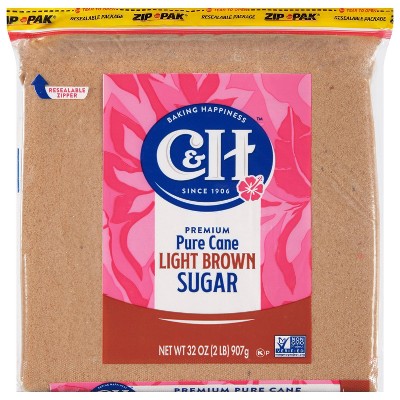
$3.79($0.12/ounce)
was $4.19
New lower price
SNAP EBT eligible
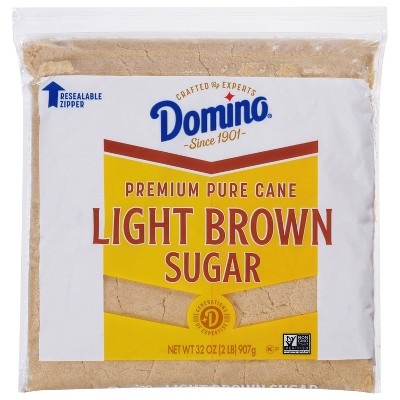
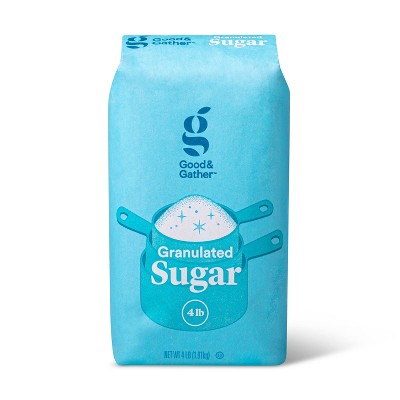
$3.19($0.05/ounce)
was $3.49
New lower price
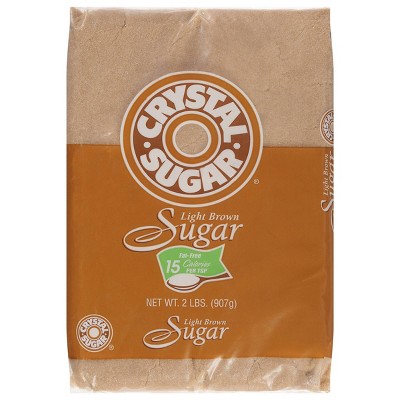
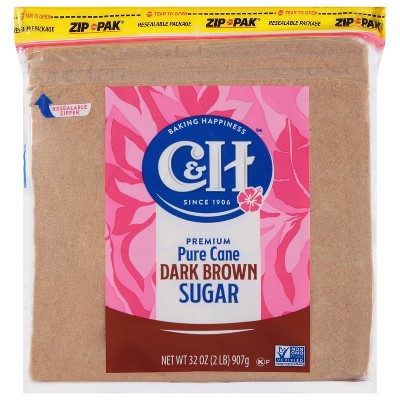
$3.79($0.12/ounce)
was $4.19
New lower price
Recommendations for you
- $3.79($0.12/ounce)was $4.19 New lower price4.1 out of 5 stars with 257 ratings
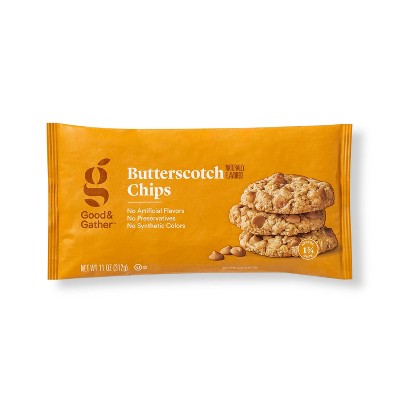
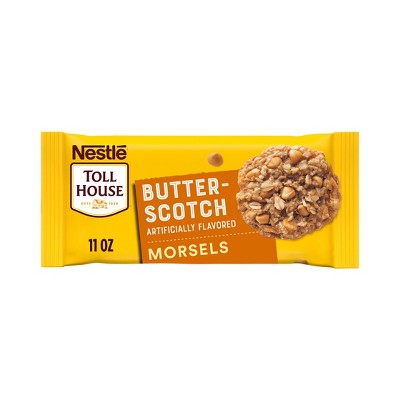
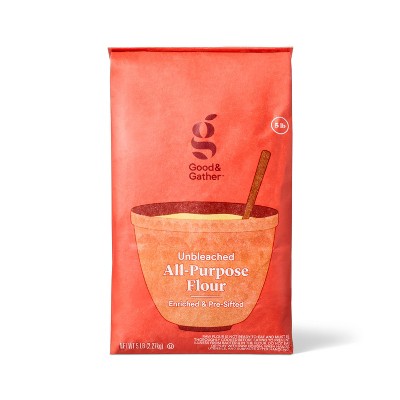
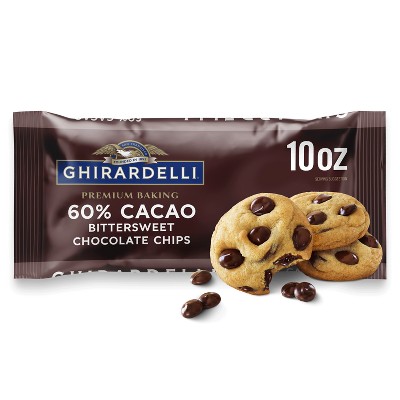
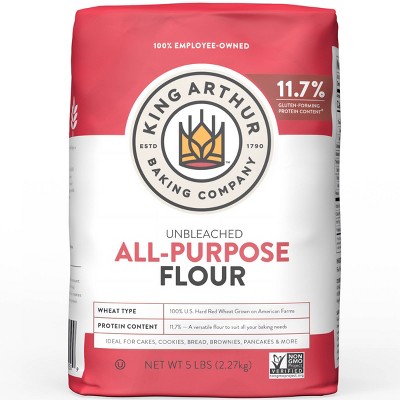
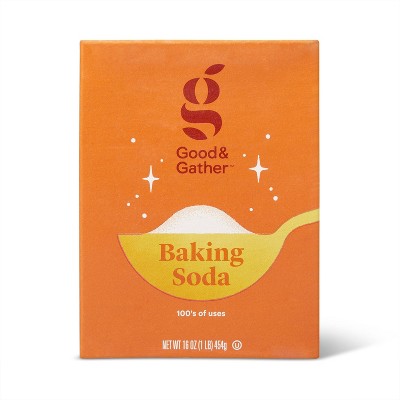
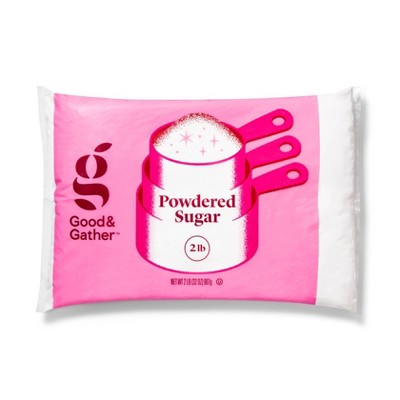
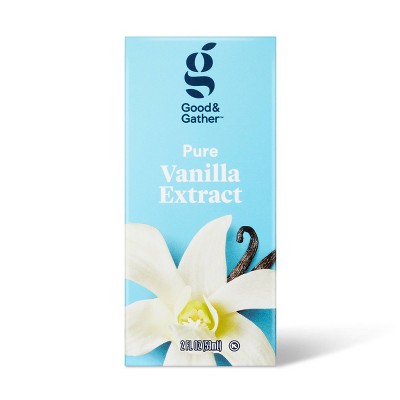
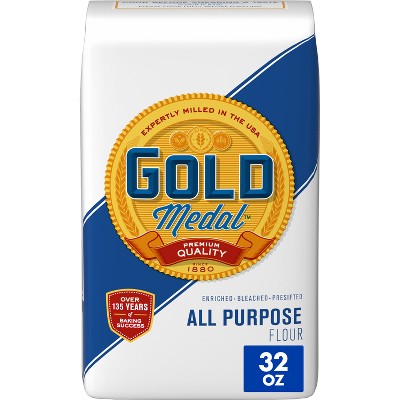
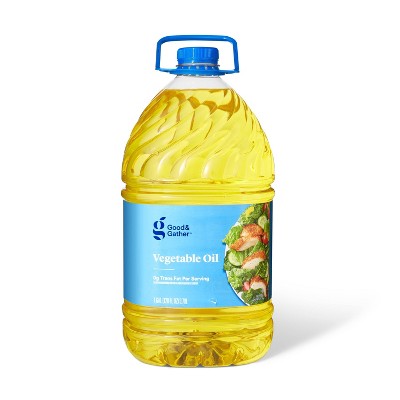
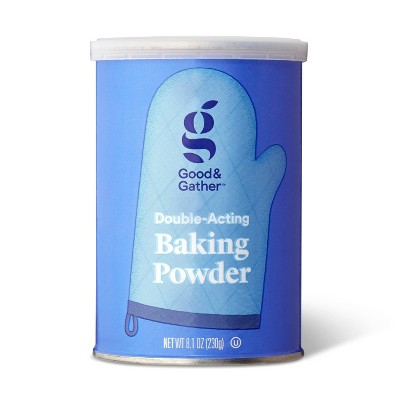
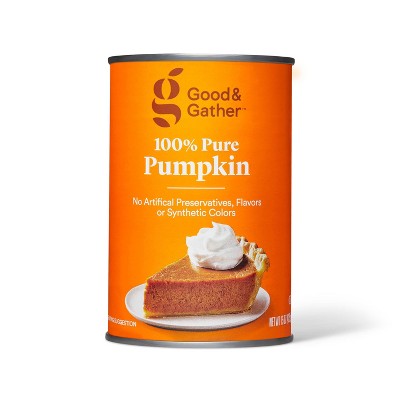
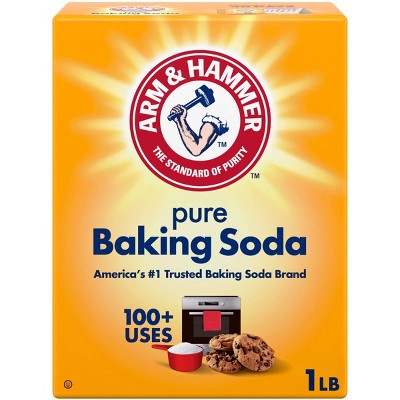
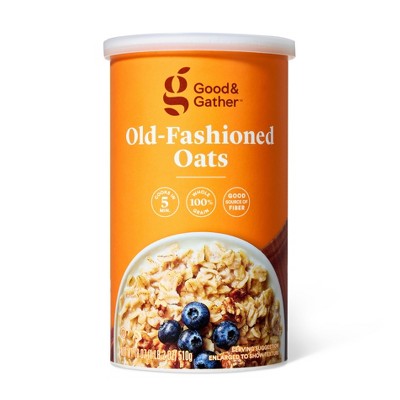
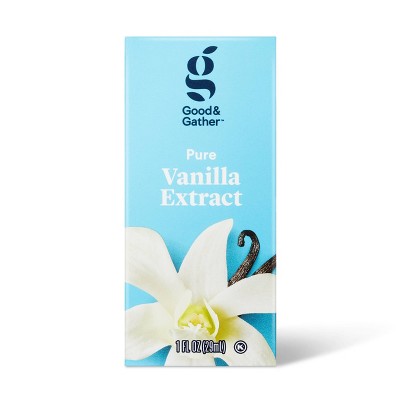
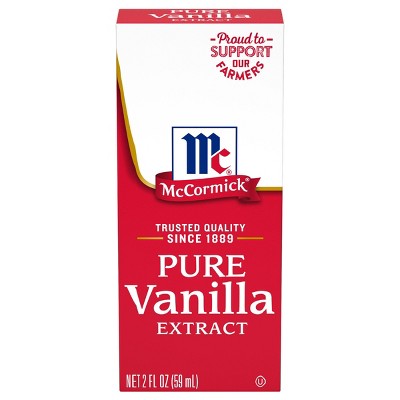
Sponsored
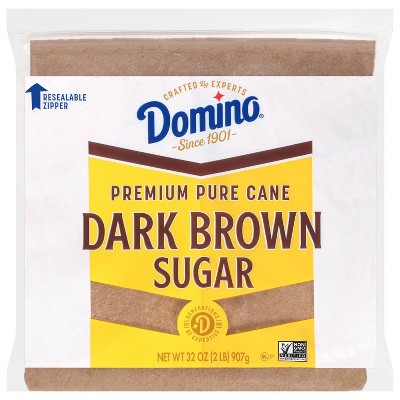
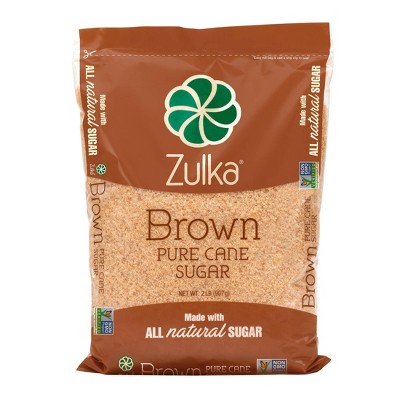
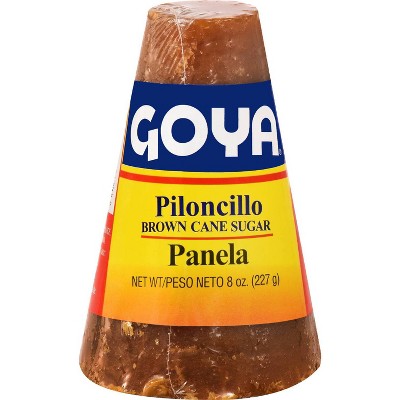
$1.59($0.20/ounce)
was $1.79
New lower price
SNAP EBT eligible
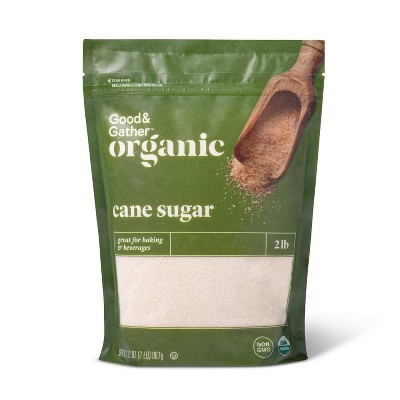
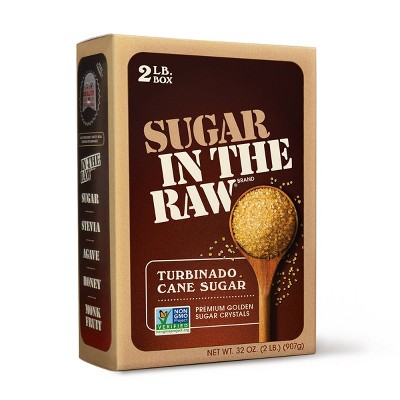
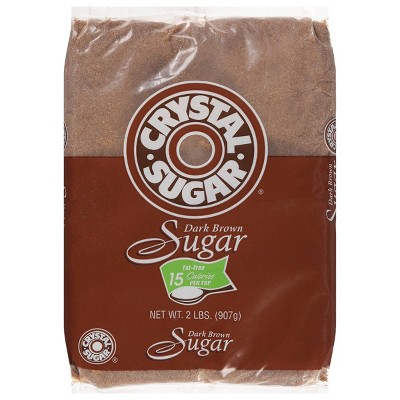
$2.99($0.09/ounce)
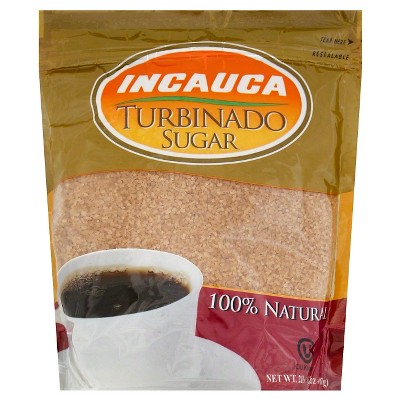
Related deals
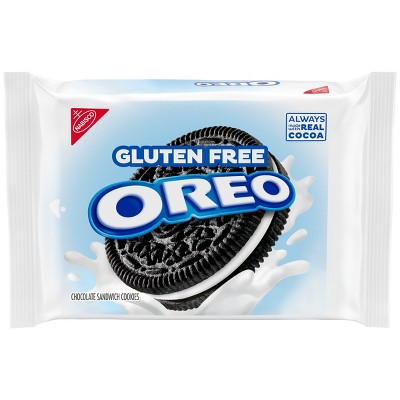
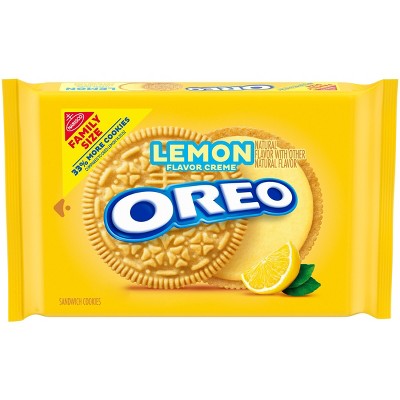
- $5.39Buy 2 for $8 cookies3.4 out of 5 stars with 99 ratings
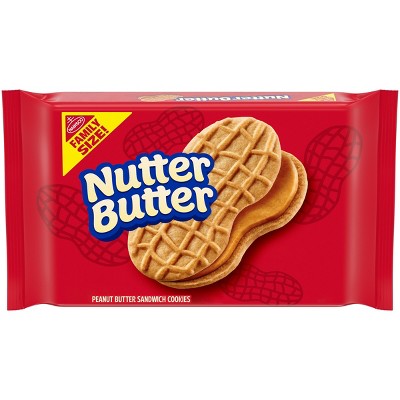
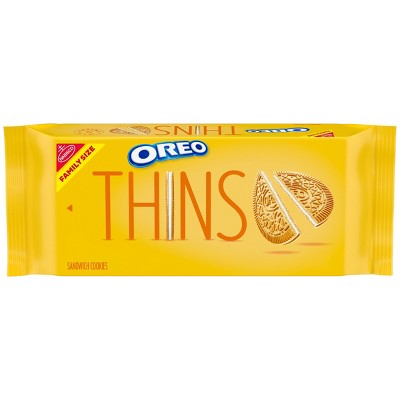
- $5.39($0.50/ounce)Buy 2 for $8 cookies4.3 out of 5 stars with 259 ratings
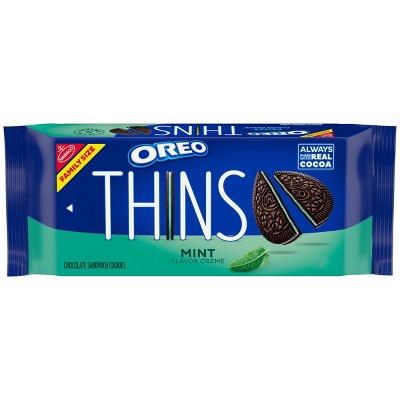
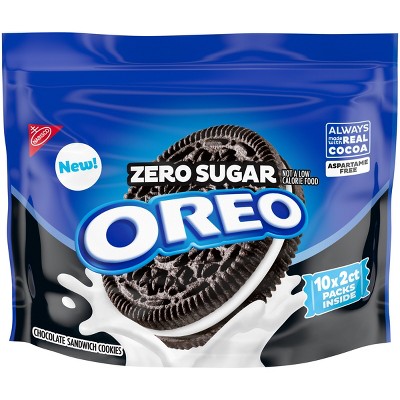
- $5.39($0.31/ounce)Buy 2 for $8 cookies4.7 out of 5 stars with 1591 ratings
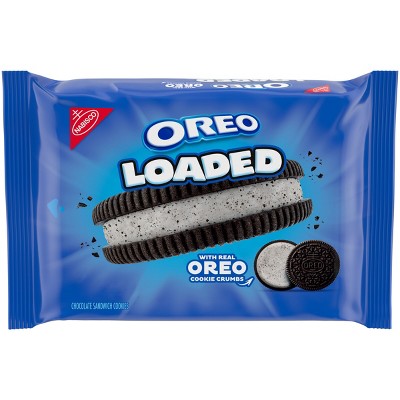
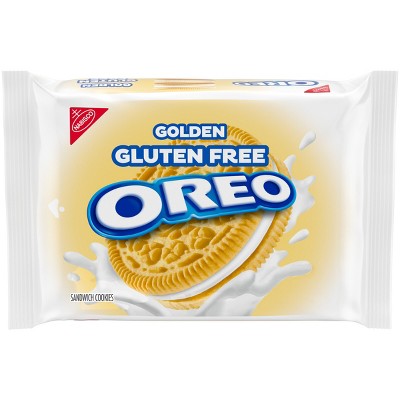
- $5.39($0.29/ounce)Buy 2 for $8 cookies4.7 out of 5 stars with 1722 ratings
- $5.39($0.32/ounce)Buy 2 for $8 cookies4.4 out of 5 stars with 924 ratings
- $5.59($0.35/ounce)Buy 2 for $8 cookies4.7 out of 5 stars with 900 ratings
- $5.39($0.46/ounce)Buy 2 for $8 cookies4.7 out of 5 stars with 339 ratings
- $5.39($0.46/ounce)Buy 2 for $8 cookies4.7 out of 5 stars with 257 ratings
- $5.39Buy 2 for $8 cookies4.5 out of 5 stars with 579 ratings
- $5.39($0.45/ounce)Buy 2 for $8 cookies4.6 out of 5 stars with 201 ratings
- $5.39Buy 2 for $8 cookies4.4 out of 5 stars with 446 ratings
- $5.39($0.46/ounce)Buy 2 for $8 cookies4.7 out of 5 stars with 297 ratings
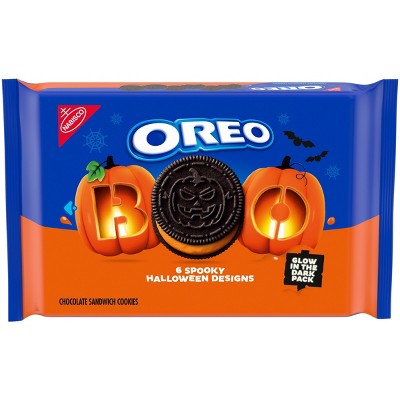
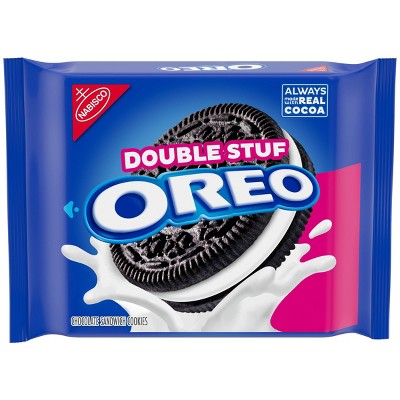
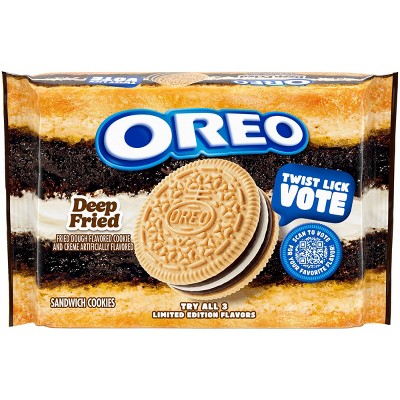
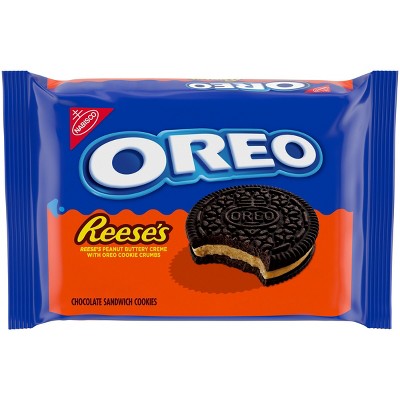
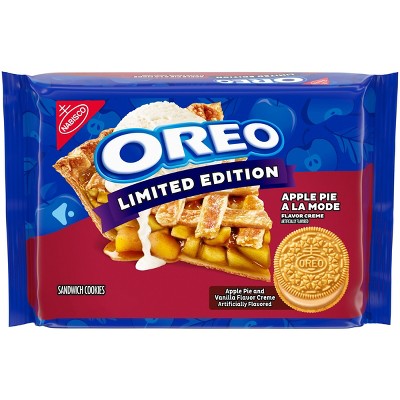
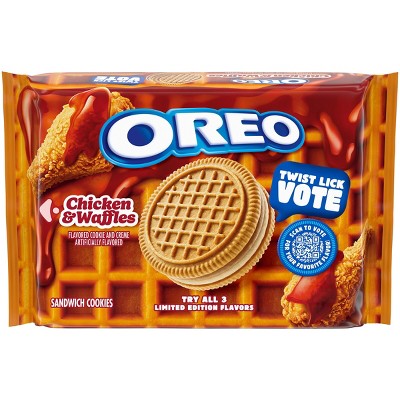
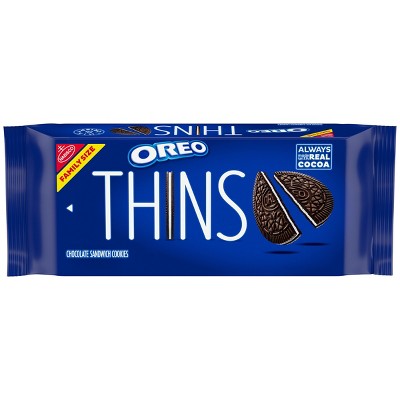
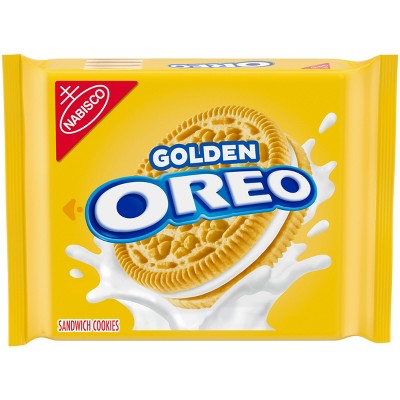
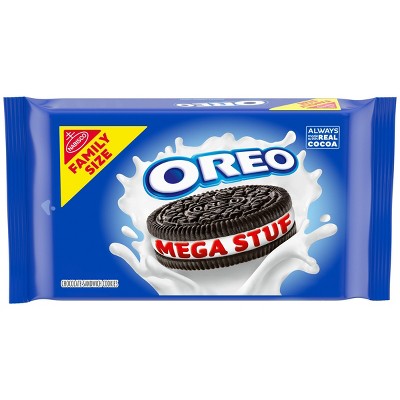
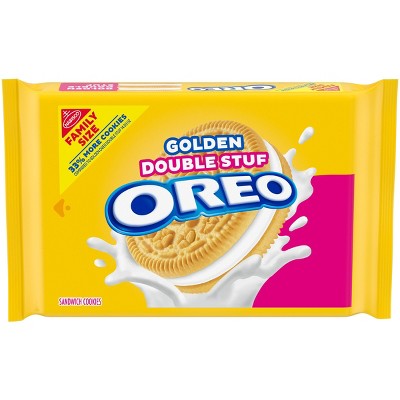
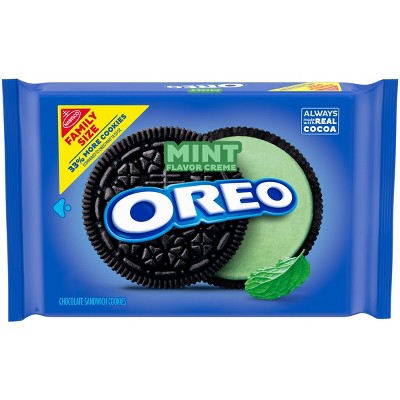
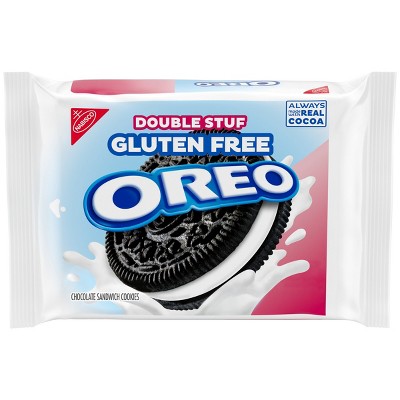
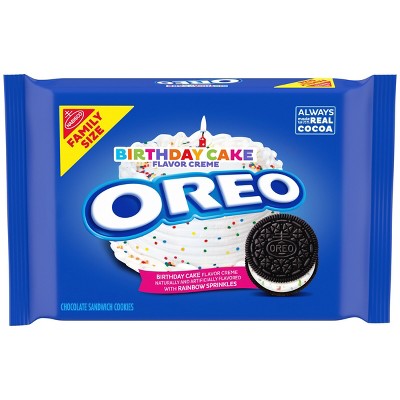
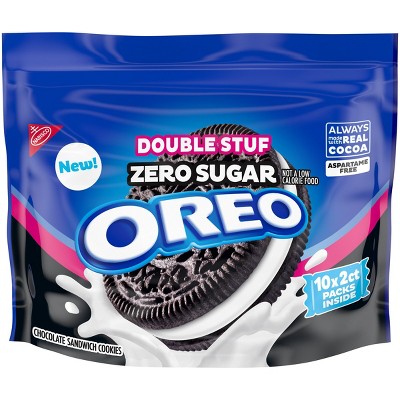
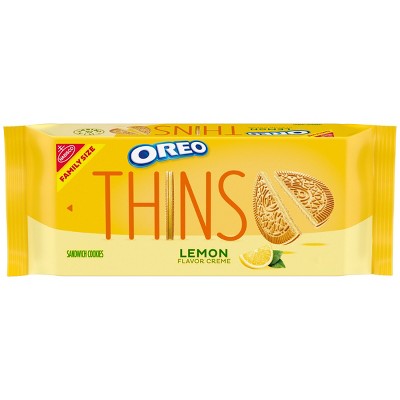
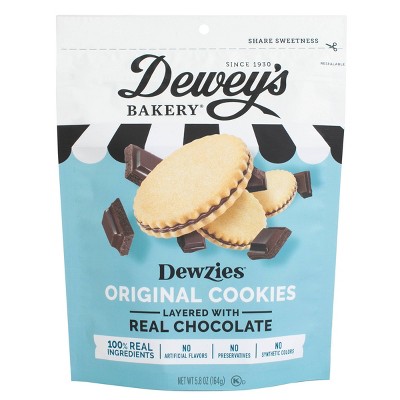
Sponsored
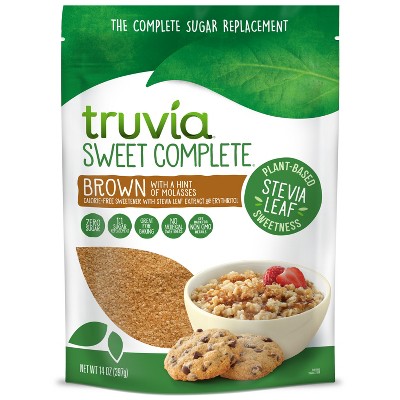
$7.29($0.52/ounce)
Loved for: great flavor
SNAP EBT eligible
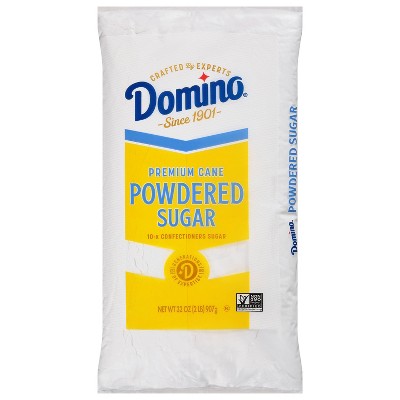
$3.79($0.12/ounce)
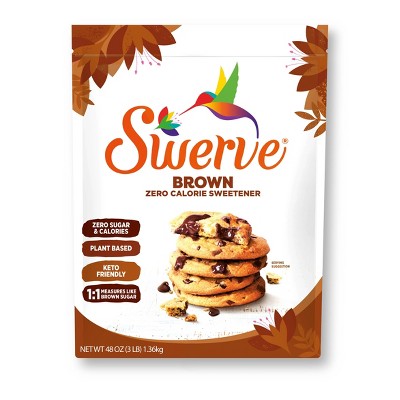
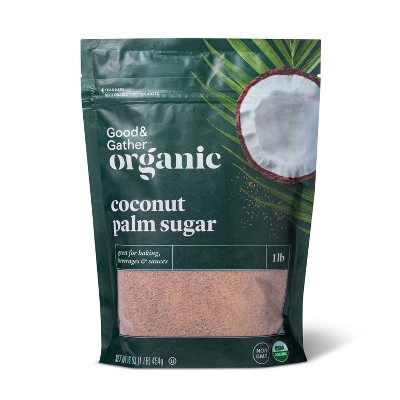
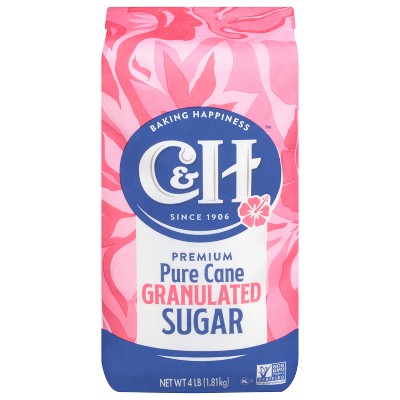
$4.99($0.08/ounce)
Loved for: fine granules
SNAP EBT eligible
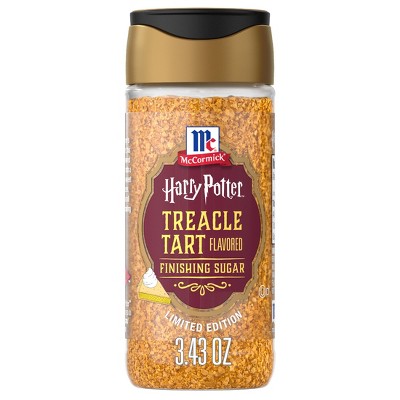
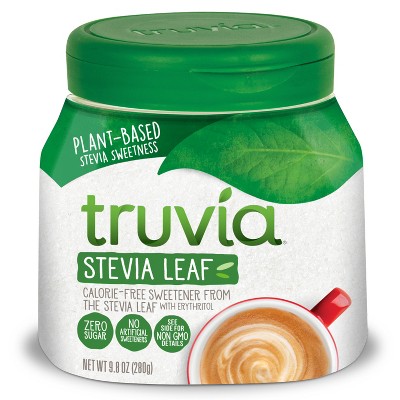
$5.99($0.61/ounce)
reg $6.89
Sale
SNAP EBT eligible
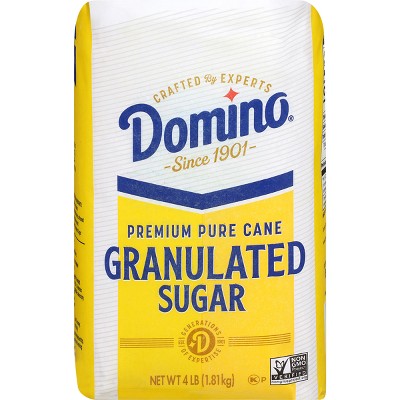
$4.89($0.08/ounce)
Sponsored
Powered by AI
Guests also ask:
Related searches
- 3 way light
- brown string lights
- white barn lights
- frosted mason jar lights
- l organic light
- white pearl lights
- yellow barn light
- feit string lights
- mason jar lights
- farmhouse barn lights
- light brown
- firecracker lights
- good light
- black light
- whote lights
- white light
- punpkin lights
- permanent outdoor lights
- artificial sweetener
- i cant believe butter light
Trending now
- $1.59($0.20/ounce)was $1.79 New lower price4.7 out of 5 stars with 20 ratings