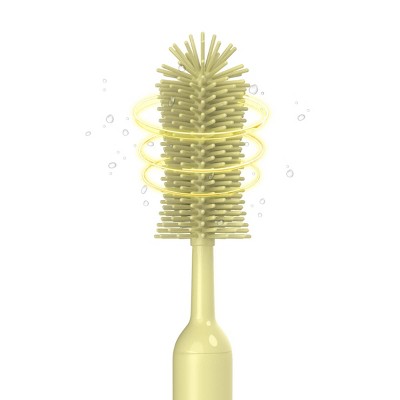
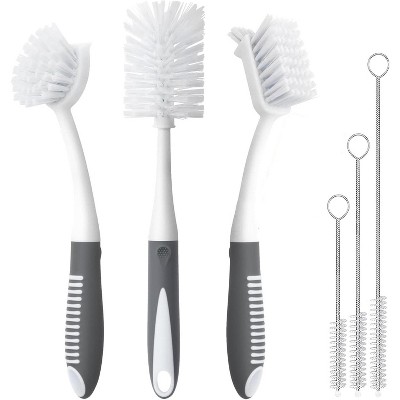
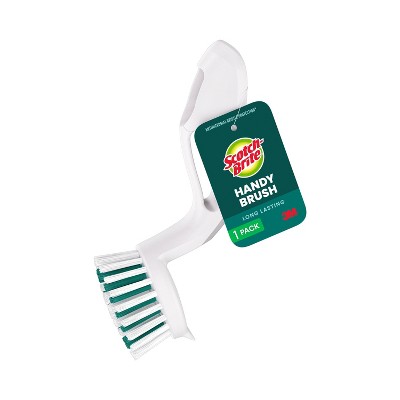
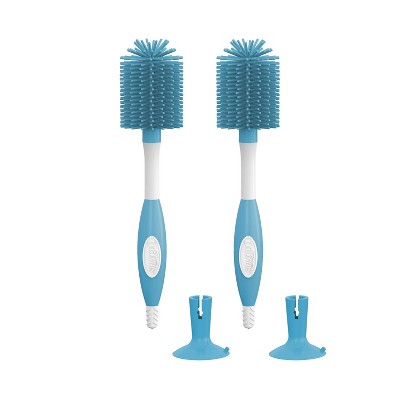
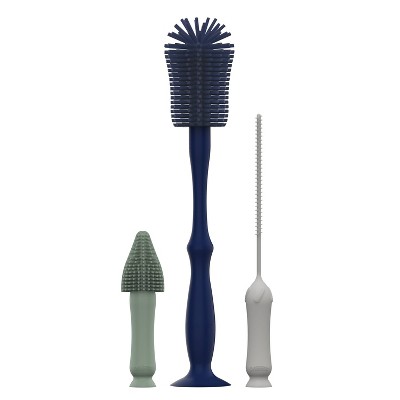
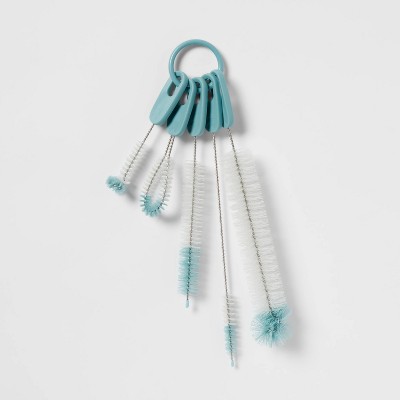
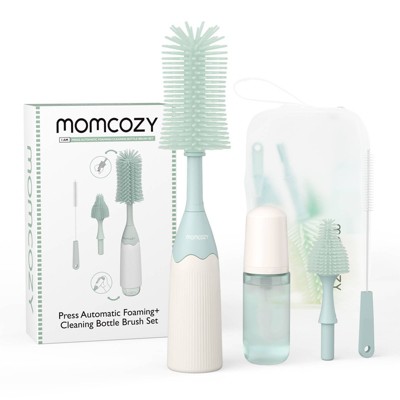
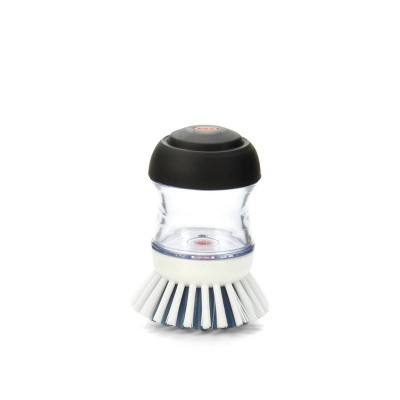
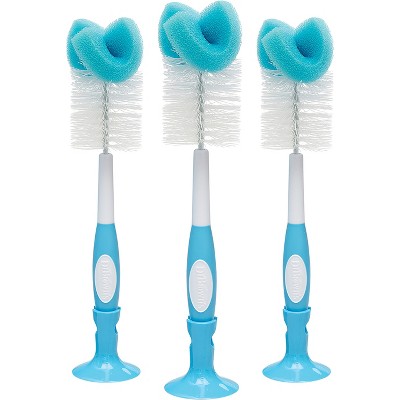
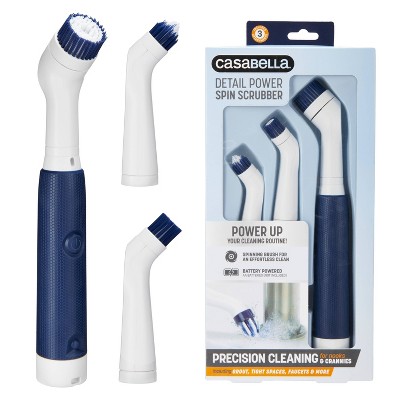
Most are constructed with stainless-steel cores or shafts and nylon bristles. Some shorter or simpler brushes list only nylon as the primary material.
Lengths vary widely across products. Short models start around 7.87 inches, while extendable or long-rod options reach many feet (examples in listings range up to roughly 59–86.6 inches, with some listed at about 78.7 inches). Check the product details for the exact length offered.
Many use soft nylon bristles that scrub without abrading surfaces, and some brushes have rubber-coated shafts or tips to protect tubing and glass. These softer materials reduce the risk of scratches compared with metal bristles.
They use flexible rods and sometimes rotatable bristle heads that can bend around U-curves and extend deep into pipes. This flexibility lets you push, twist, and pull the brush to clean hard-to-reach areas.
Listed head diameters include about 0.47 inch, 0.5 inch, and 0.4 inch, depending on the model. Check each product’s specification to confirm the exact head size.
Package quantities vary by listing. Some products are sold as single brushes (quantity 1), while others are sold in pairs (quantity 2). Verify the product page for the exact count.
Key features include rotatable bristles that scour as you pull, soft but effective nylon bristles for scrubbing, and flexible rods that let you apply pressure and reach blockages deep inside tubing.
Rinse and clean brushes after use, hang them to drain and dry, avoid excessive force that can deform bristles, and clean them regularly to remove trapped debris—these steps will help extend their lifespan.