noodles rigatoni
202 results for “noodles rigatoni”
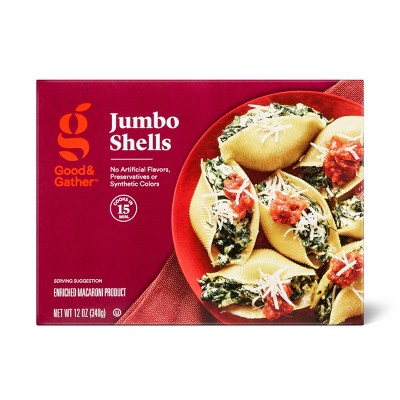
$1.29($0.08/ounce)
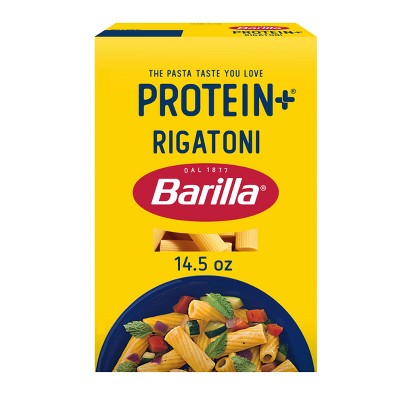
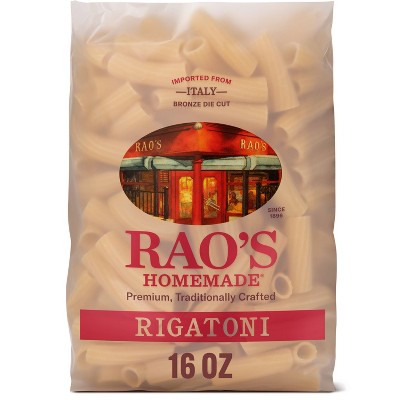
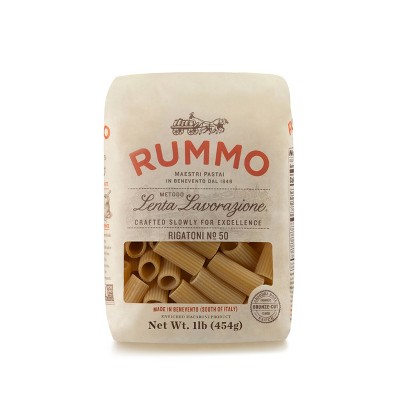
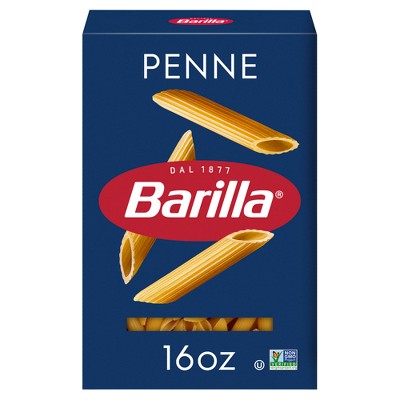
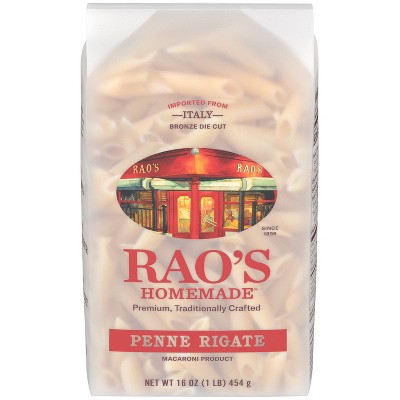
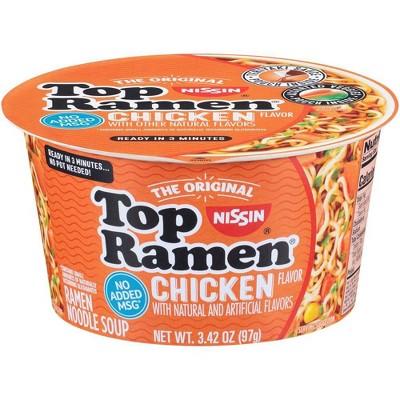
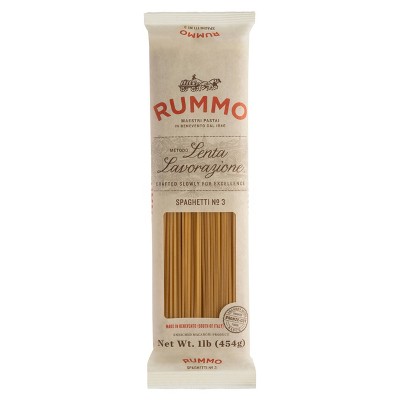
$1.29($0.38/ounce)
Recommendations for you
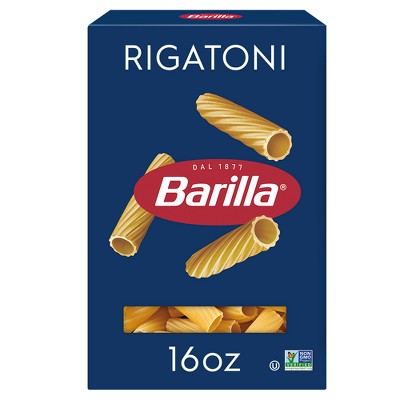
- $2.99Buy 2 for $4 Barilla pasta4.7 out of 5 stars with 14 ratings
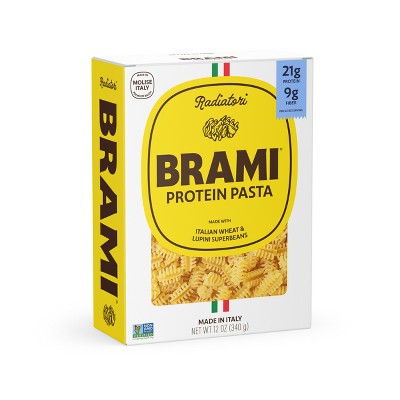
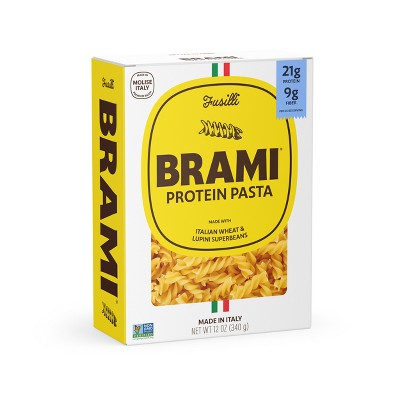
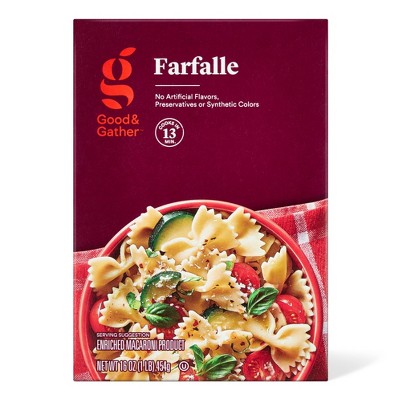
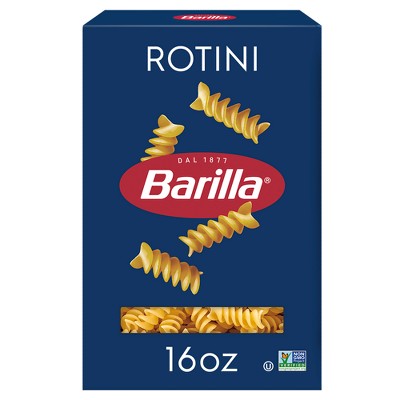
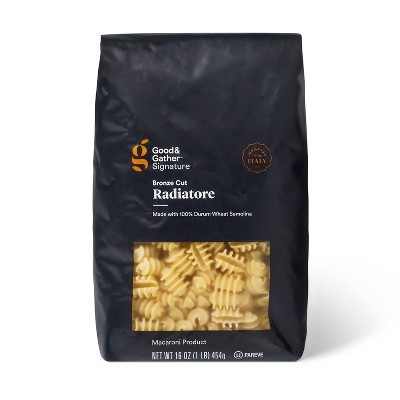
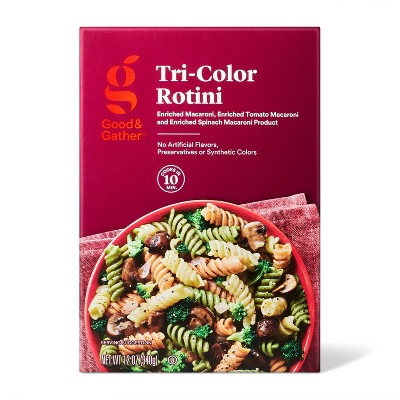
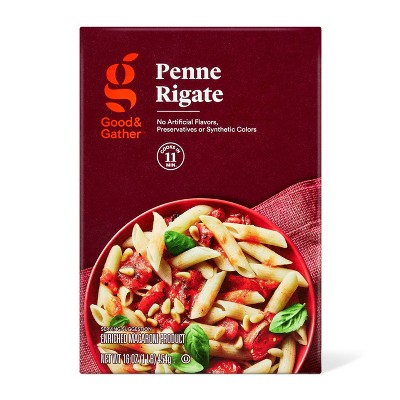
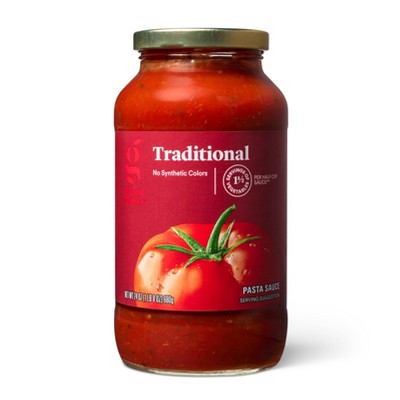
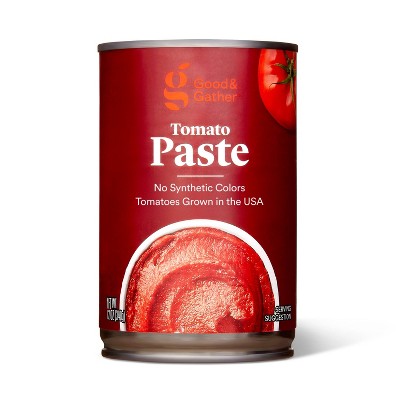
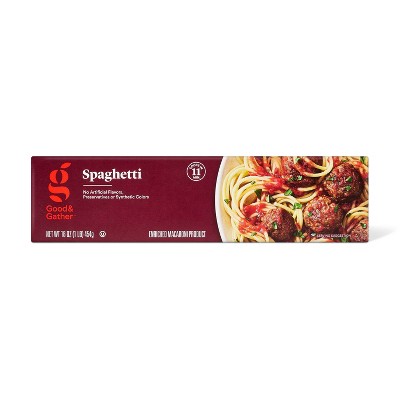
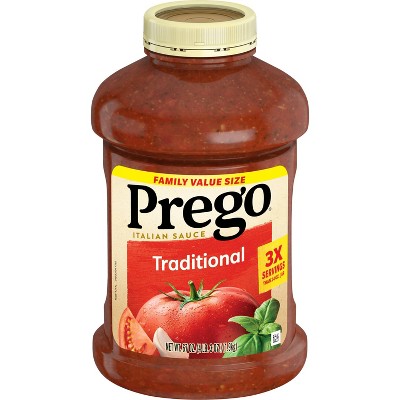
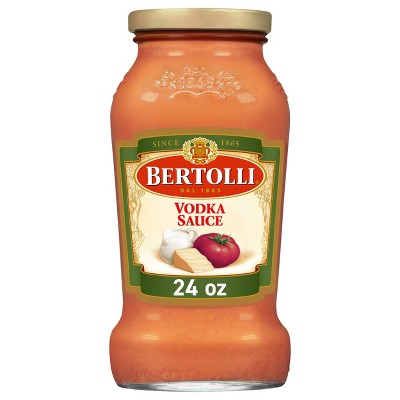
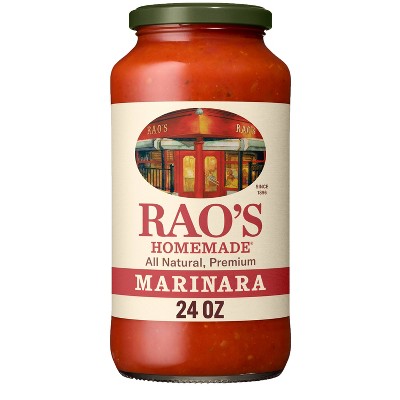
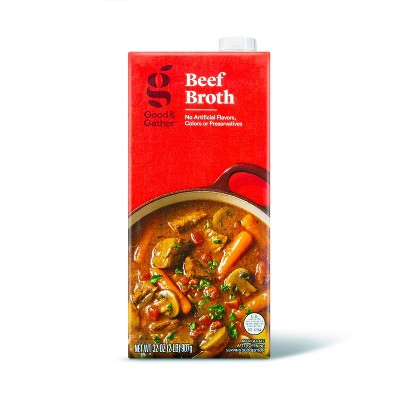
Sponsored
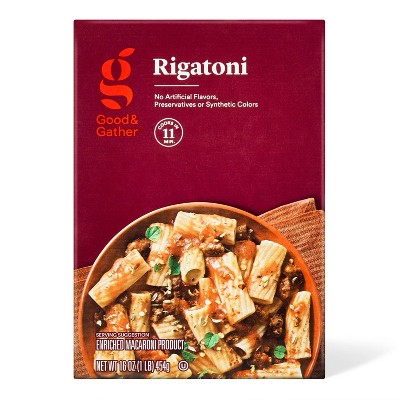
$1.69($0.51/ounce)
Loved for: quick preparation
SNAP EBT eligible
$1.29($0.08/ounce)
Related deals
- $2.89($0.24/ounce)Buy 2 for $4 Barilla pasta4.2 out of 5 stars with 687 ratings
- $2.89($0.24/ounce)Buy 2 for $4 Barilla pasta4.5 out of 5 stars with 286 ratings
- $2.89($0.29/ounce)Buy 2 for $4 Barilla pasta4.4 out of 5 stars with 188 ratings
- $2.89($0.24/ounce)Buy 2 for $4 Barilla pasta4.6 out of 5 stars with 157 ratings
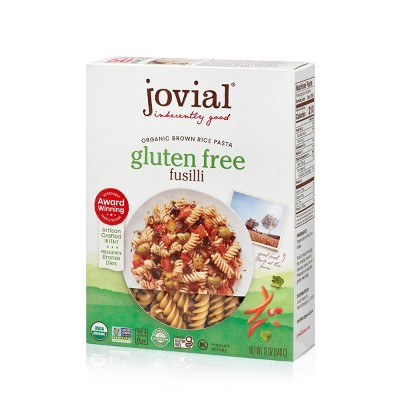
- $4.89($0.41/ounce)Buy 2 for $7 Jovial organic brown rice pasta4.6 out of 5 stars with 38 ratings
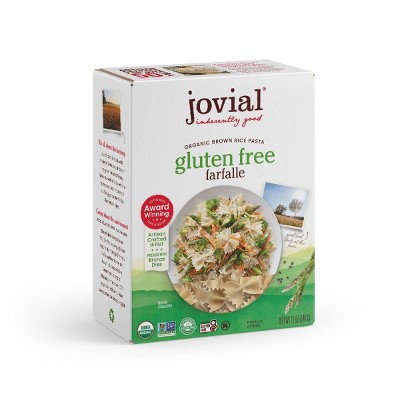
- $4.89($0.41/ounce)Buy 2 for $7 Jovial organic brown rice pasta4.6 out of 5 stars with 38 ratings
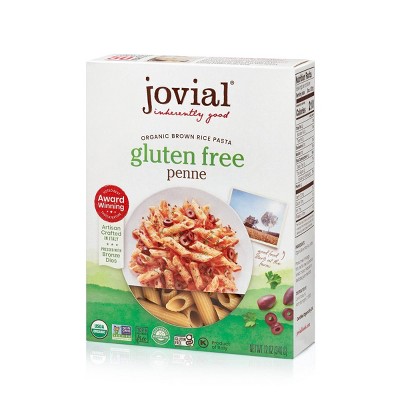
- $4.89($0.41/ounce)Buy 2 for $7 Jovial organic brown rice pasta4 out of 5 stars with 23 ratings
- $3.49($0.44/ounce)reg $4.29 Sale4.6 out of 5 stars with 110 ratings
- $3.49($0.44/ounce)reg $5.49 Sale4.6 out of 5 stars with 97 ratings
- $3.99($0.42/ounce)Buy 1, get 1 50% off It's Skinny pasta4.4 out of 5 stars with 118 ratings
- $3.99($0.42/ounce)Buy 1, get 1 50% off It's Skinny pasta4.2 out of 5 stars with 19 ratings
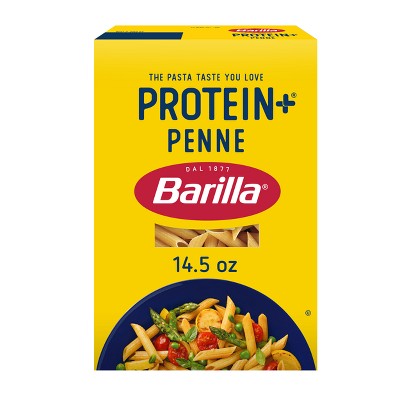
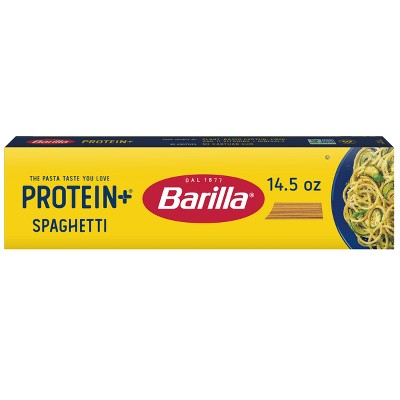
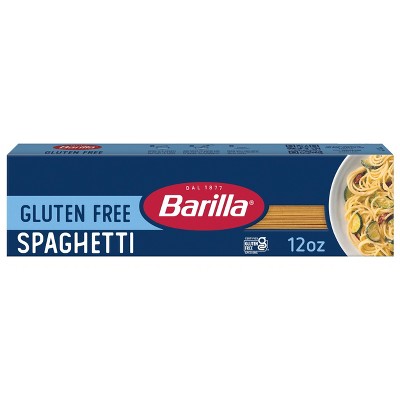
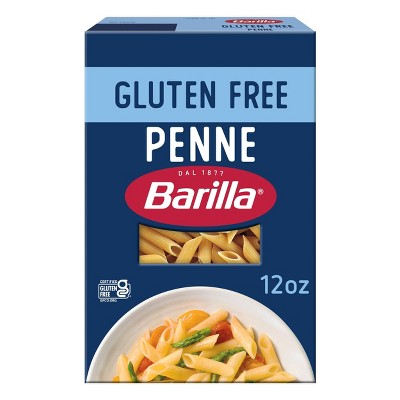
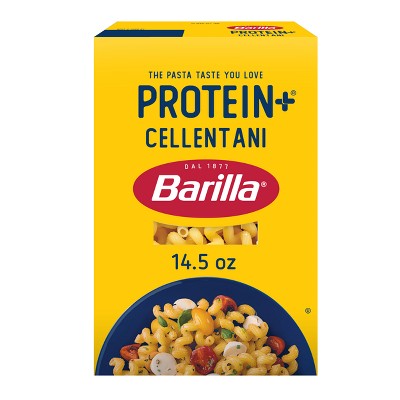
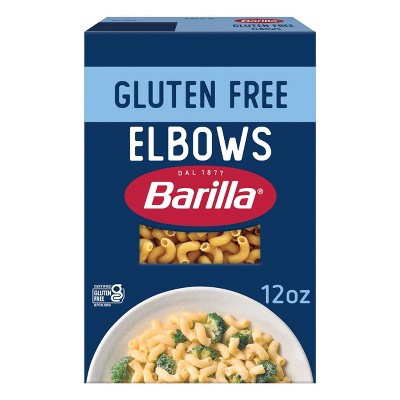
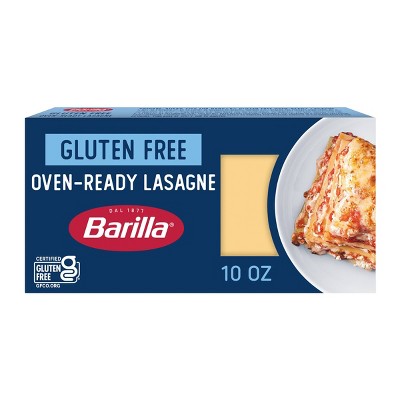
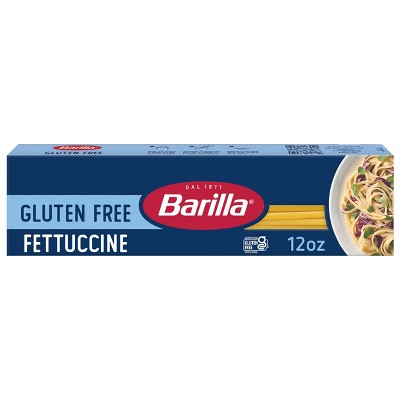
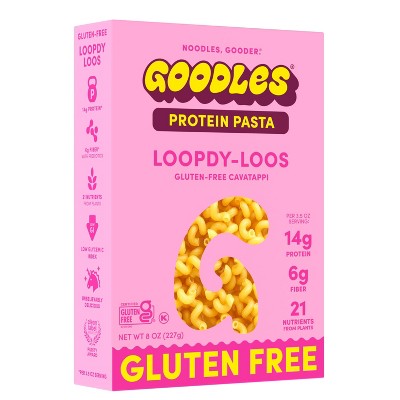
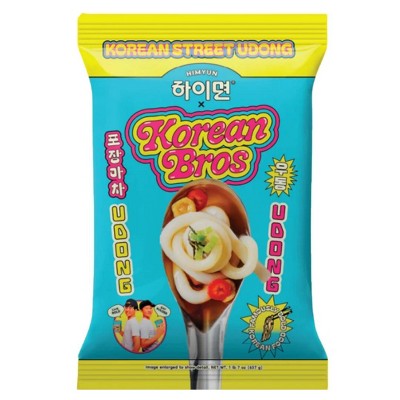
Sponsored
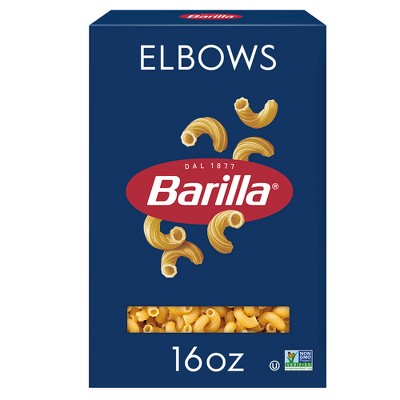
$1.89($0.12/ounce)
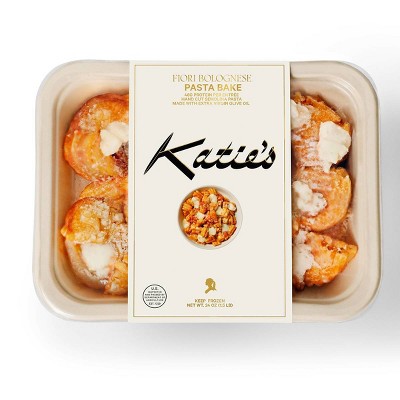
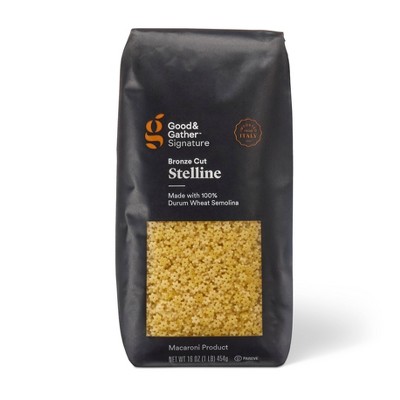
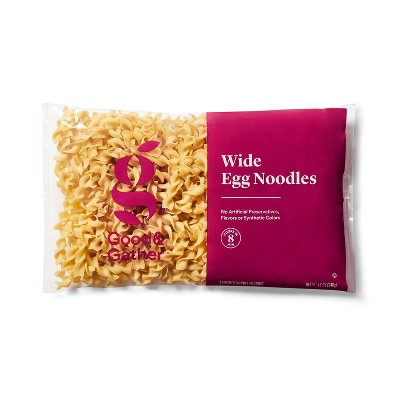
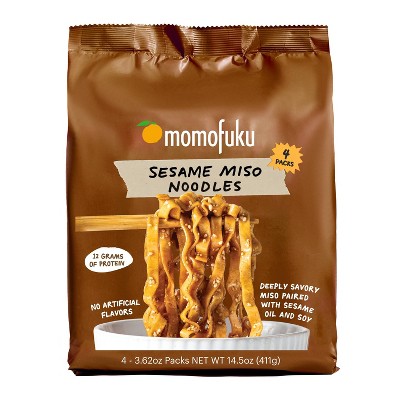
$9.99($0.69/ounce)
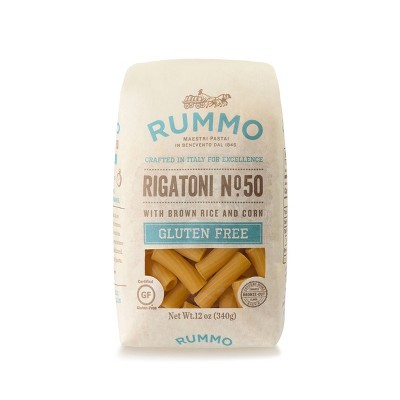
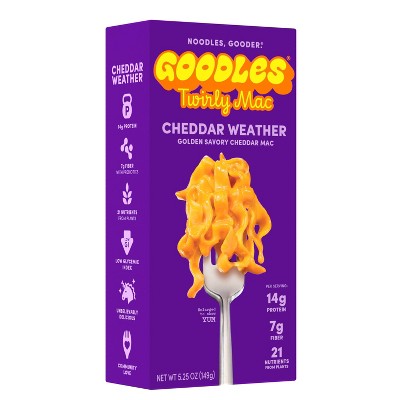
Sponsored
Powered by AI
Guests also ask:
Trending now
- $2.99Buy 2 for $4 Barilla pasta4.7 out of 5 stars with 14 ratings