car seat essentials
Popular Filters
364 results for “car seat essentials”


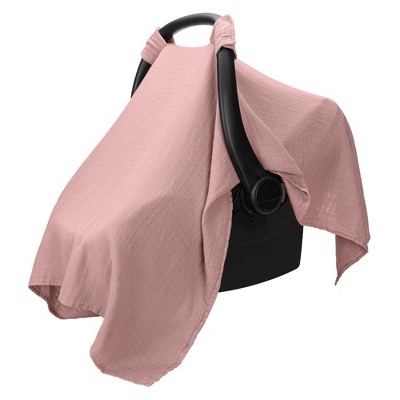
$21.99 - $22.49
reg $24.99
Sale


 + 10
+ 10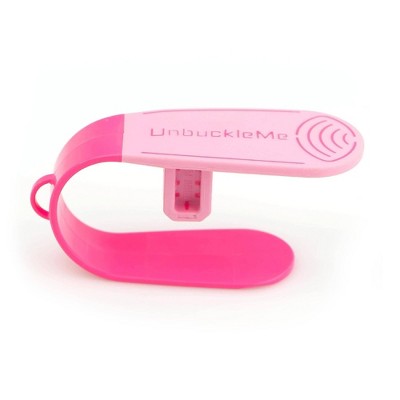


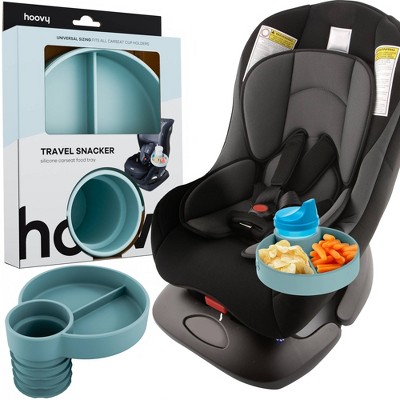
$16.99


Loved for: convenient storage
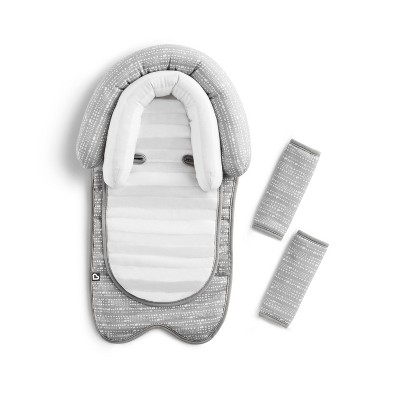
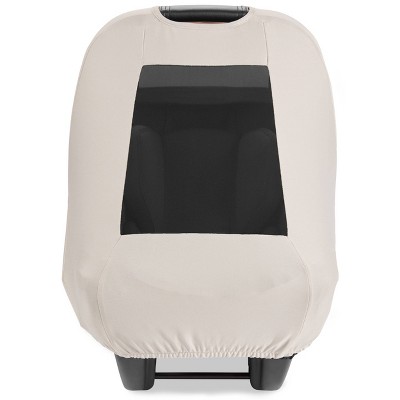
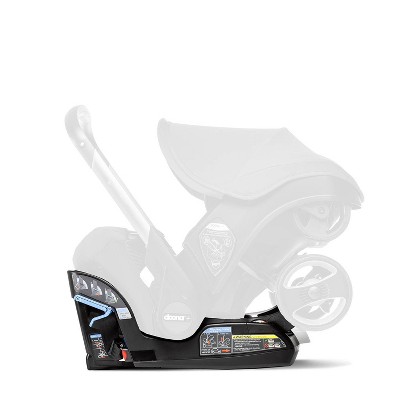
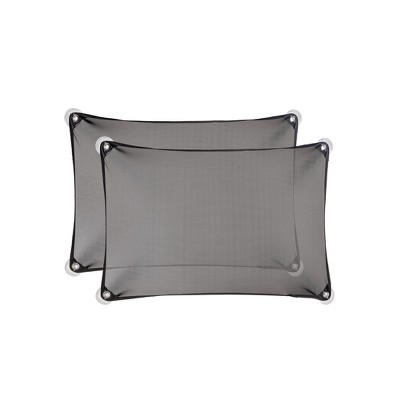
$26.99
Loved for: versatile fit
Recommendations for you
- Highly rated$9.99 - $59.99$20 Target GiftCard with $100 diapers & wipes purchase4.8 out of 5 stars with 75495 ratings
- Highly rated$2.39 - $39.99$20 Target GiftCard with $100 diapers & wipes purchase4.8 out of 5 stars with 26100 ratings
- $29.96 - $32.96reg $35.96 - $39.96 Sale4.7 out of 5 stars with 531 ratings
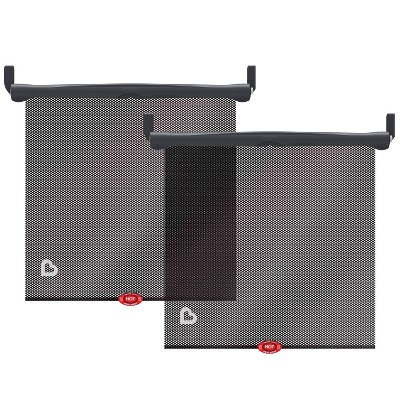
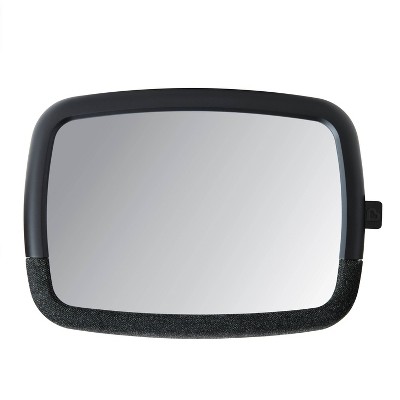
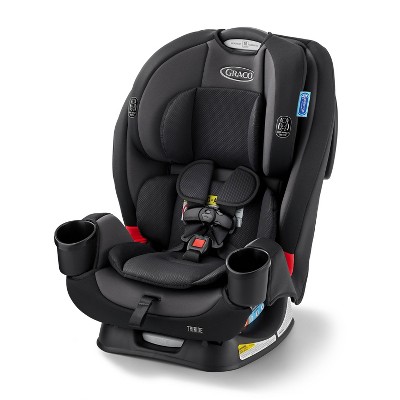
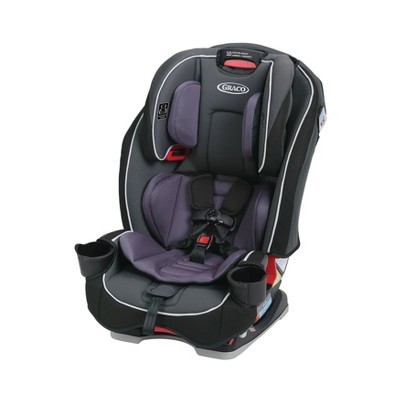
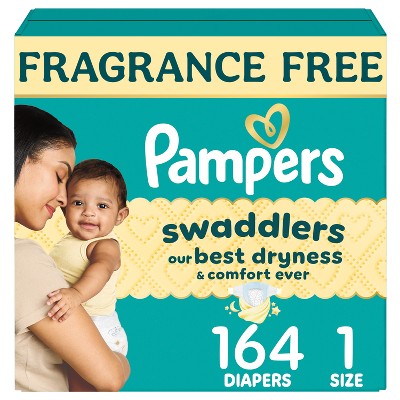
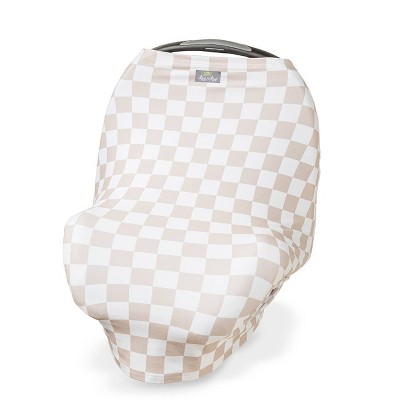
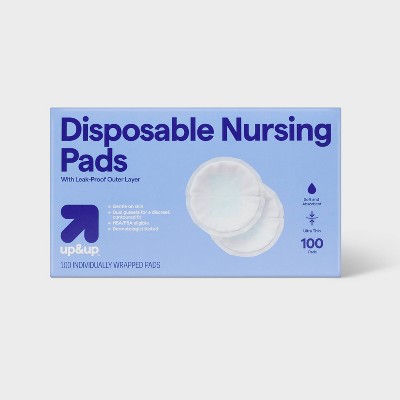
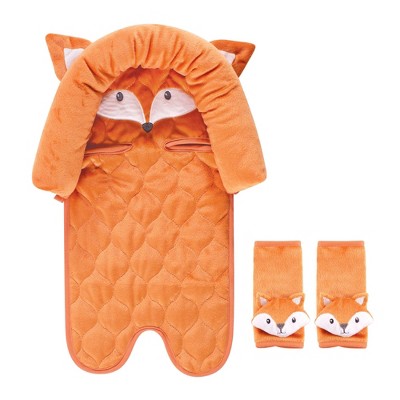
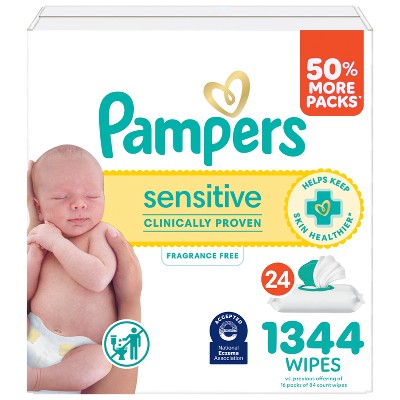
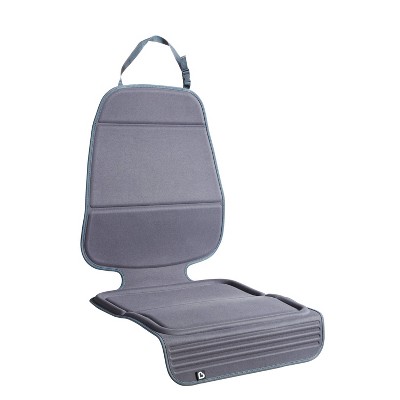
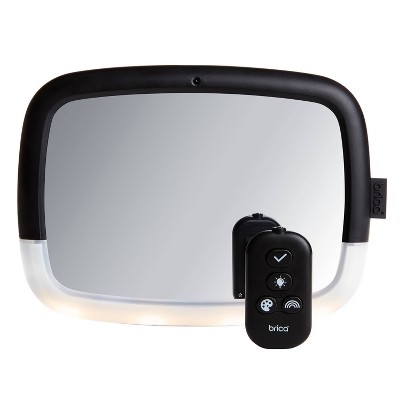
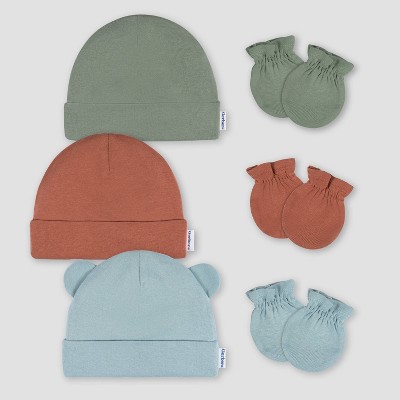
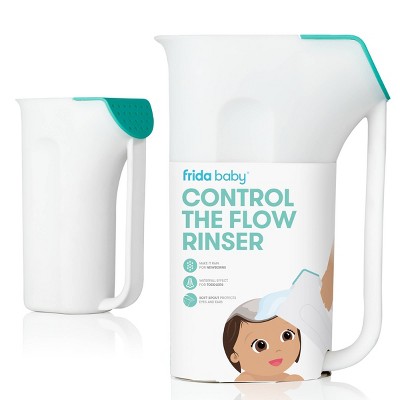
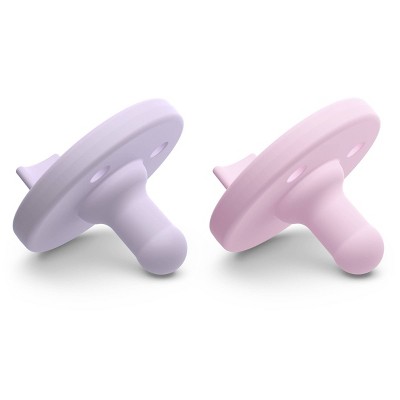
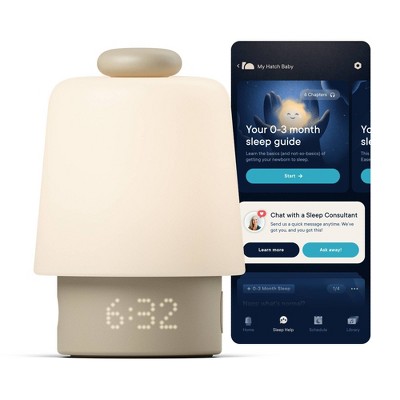
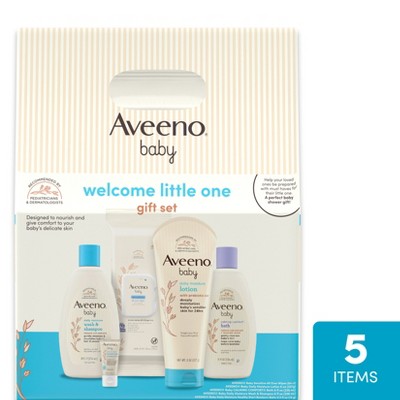
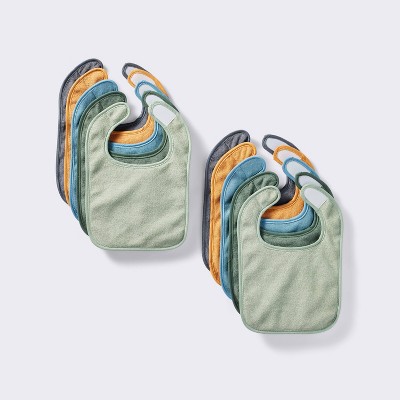
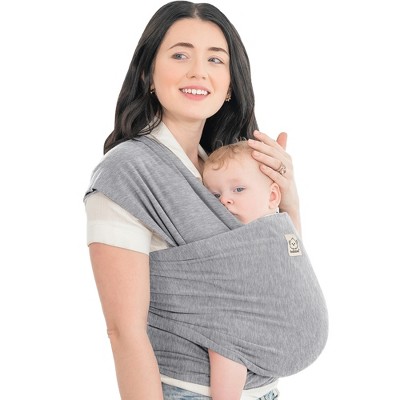
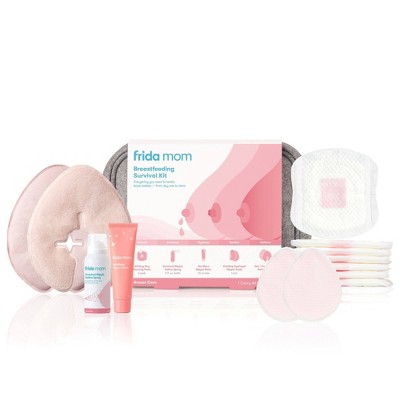
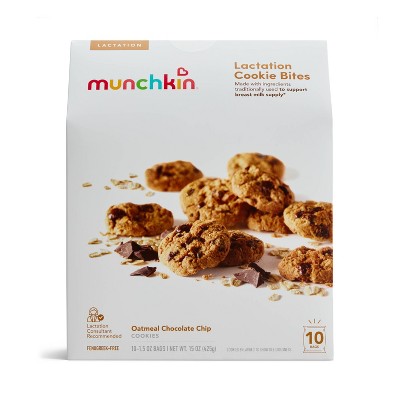
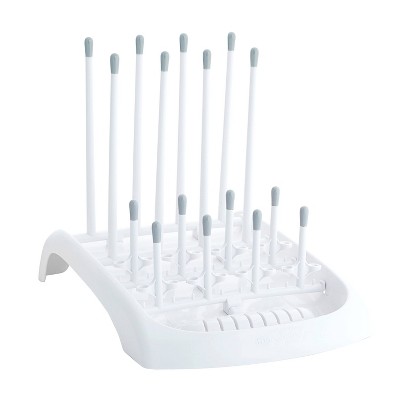
Sponsored
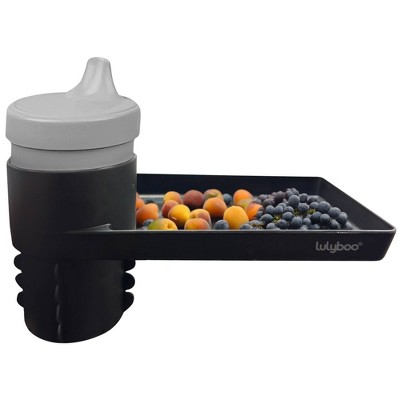
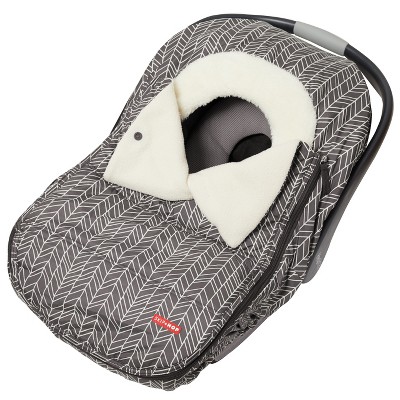
$33.99 - $39.99
Lower price on select items


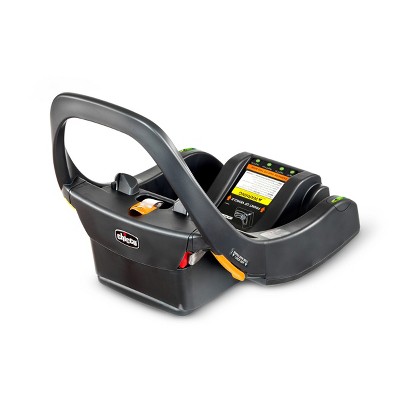
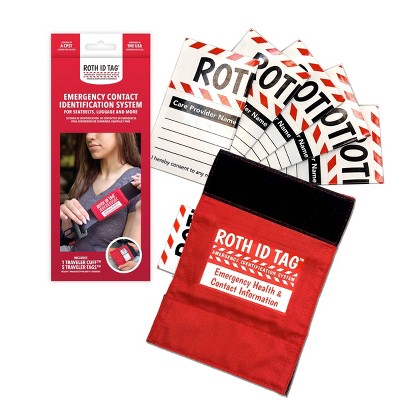
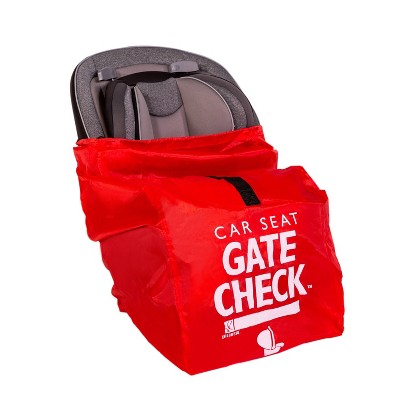
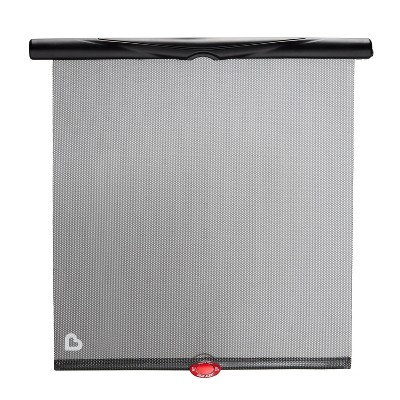
$12.99
Loved for: retractable design
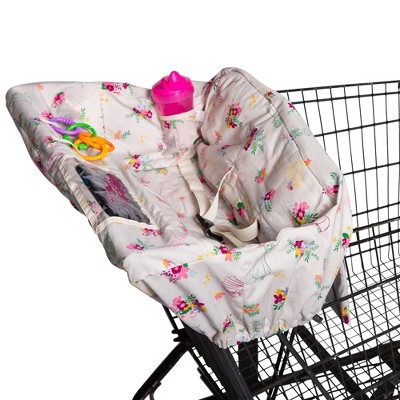
$39.99


Loved for: easy to clean
Related deals
- Highly rated$8.99 - $49.99$20 Target GiftCard with $100 diapers & wipes purchase4.4 out of 5 stars with 32770 ratings
- $6.19 - $37.99$20 Target GiftCard with $100 diapers & wipes purchase4.2 out of 5 stars with 17349 ratings
- Highly rated$8.49 - $56.99Select items on clearance$20 Target GiftCard with $100 diapers & wipes purchase4.7 out of 5 stars with 19783 ratings
- Highly rated$0.99 - $51.71$20 Target GiftCard with $100 diapers & wipes purchase4.6 out of 5 stars with 8621 ratings
- Highly rated$9.99 - $51.99Lower price on select items$20 Target GiftCard with $100 diapers & wipes purchase4.7 out of 5 stars with 42384 ratings
- $24.99 - $69.99Select items on sale$20 Target GiftCard with $100 diapers & wipes purchase4.7 out of 5 stars with 5641 ratings
- $24.99 - $44.49$20 Target GiftCard with $100 diapers & wipes purchase4.6 out of 5 stars with 1839 ratings
- See price in cart$20 Target GiftCard with $100 diapers & wipes purchase4 out of 5 stars with 8895 ratings
- $29.99 - $58.99$20 Target GiftCard with $100 diapers & wipes purchase4.5 out of 5 stars with 1873 ratings
- $19.99 - $39.99$20 Target GiftCard with $100 diapers & wipes purchase4.5 out of 5 stars with 4508 ratings
- $28.49 - $54.99$20 Target GiftCard with $100 diapers & wipes purchase4.7 out of 5 stars with 2833 ratings
- $29.99$20 Target GiftCard with $100 diapers & wipes purchase4 out of 5 stars with 2017 ratings
- Highly rated$27.99 - $44.99$20 Target GiftCard with $100 diapers & wipes purchase4.5 out of 5 stars with 20453 ratings
- $28.49 - $64.99$20 Target GiftCard with $100 diapers & wipes purchase4.5 out of 5 stars with 3333 ratings
- Highly rated$25.99 - $51.71$20 Target GiftCard with $100 diapers & wipes purchase4.8 out of 5 stars with 6859 ratings
- $18.94 - $30.99$20 Target GiftCard with $100 diapers & wipes purchase4.3 out of 5 stars with 8580 ratings
- $29.99$20 Target GiftCard with $100 diapers & wipes purchase4.1 out of 5 stars with 1296 ratings
- Highly rated$24.99 - $54.99Lower price on select items$20 Target GiftCard with $100 diapers & wipes purchase4.5 out of 5 stars with 17465 ratings
- $4.99 - $19.99$20 Target GiftCard with $100 diapers & wipes purchase3.6 out of 5 stars with 405 ratings
- $26.99$20 Target GiftCard with $100 diapers & wipes purchase4.6 out of 5 stars with 3249 ratings
- $46.49 - $47.99$20 Target GiftCard with $100 diapers & wipes purchase4.5 out of 5 stars with 5732 ratings
- $34.99$20 Target GiftCard with $100 diapers & wipes purchase4 out of 5 stars with 62 ratings
- $71.22Value Bundle$20 Target GiftCard with $100 diapers & wipes purchase3 out of 5 stars with 2 ratings
- $31.99$20 Target GiftCard with $100 diapers & wipes purchase4.3 out of 5 stars with 33 ratings
Sponsored
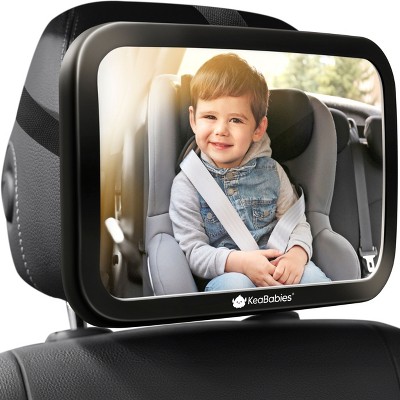
$18.96
reg $22.96
Sale


Loved for: large size
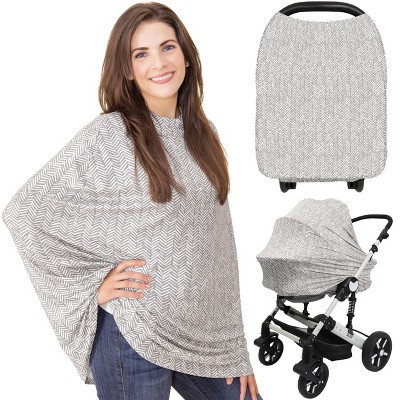
$13.96
reg $16.96
Sale


Loved for: versatile use
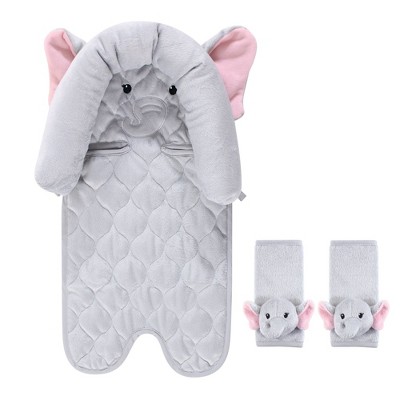
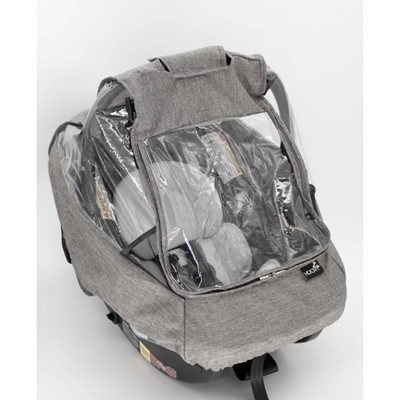
Sponsored