uji matcha
268 results for “uji matcha”
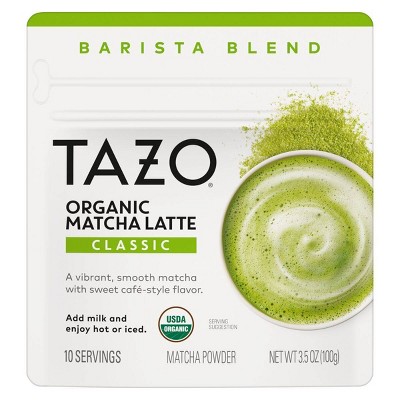
$10.99($2.07/ounce)
Loved for: sweet flavor
SNAP EBT eligible
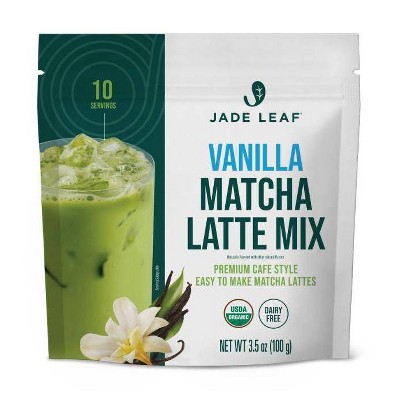
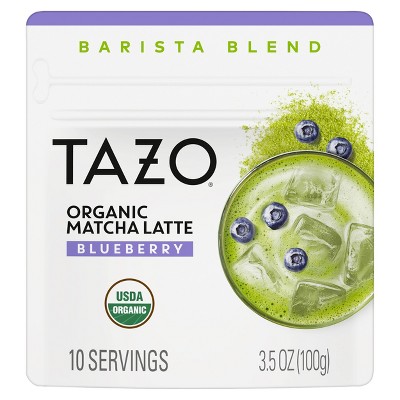
$10.99($3.14/ounce)
SNAP EBT eligible
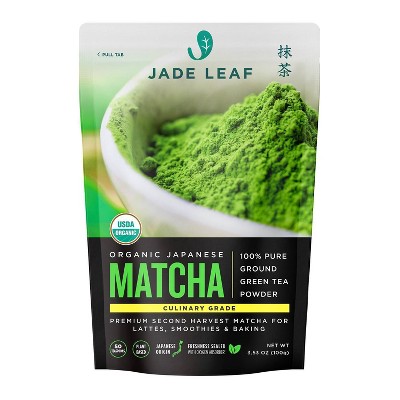
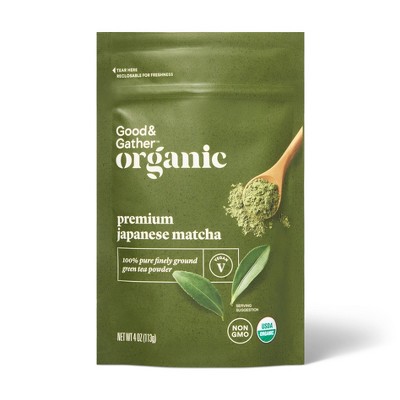
$27.99($7.93/ounce)
SNAP EBT eligible
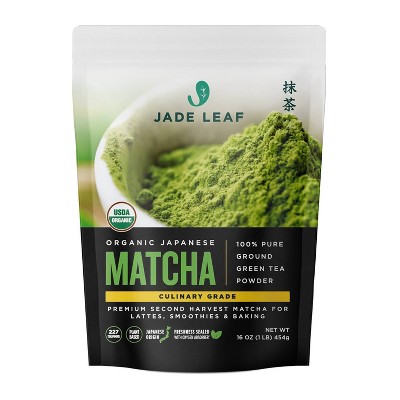
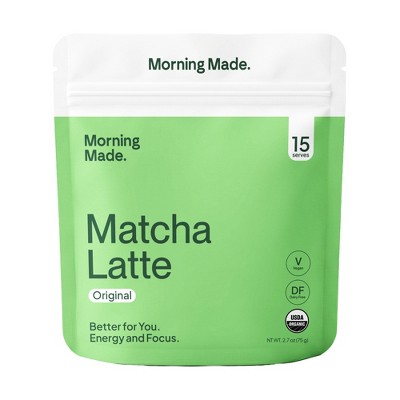
$71.99($4.50/ounce)
was $80.99
New lower price
SNAP EBT eligible
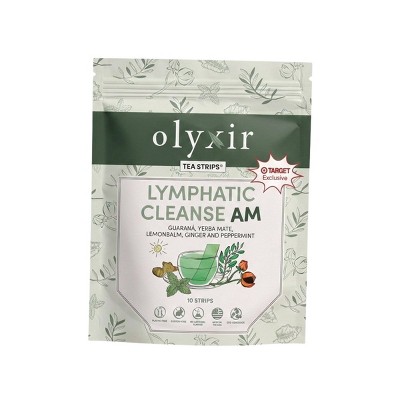
$14.99
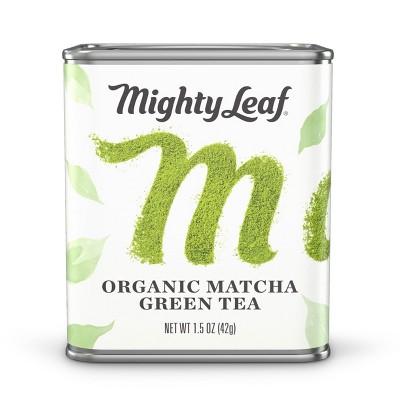
$15.49
Loved for: smooth flavor
SNAP EBT eligible
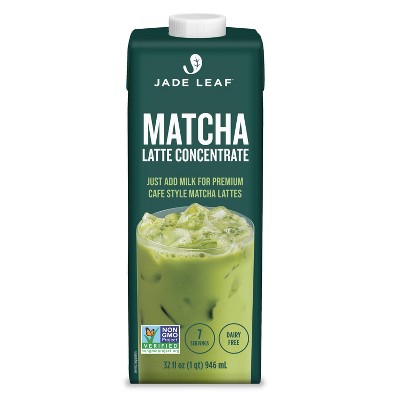
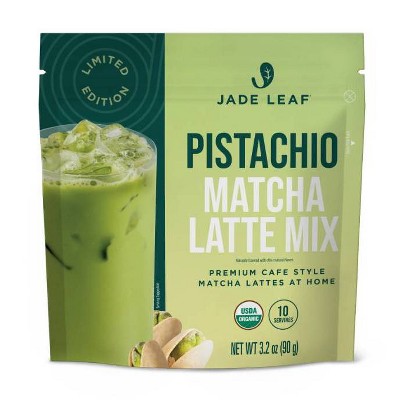
Recommendations for you
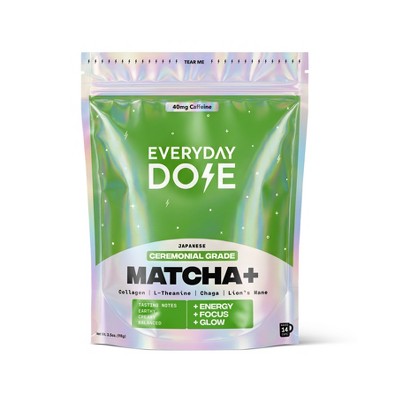
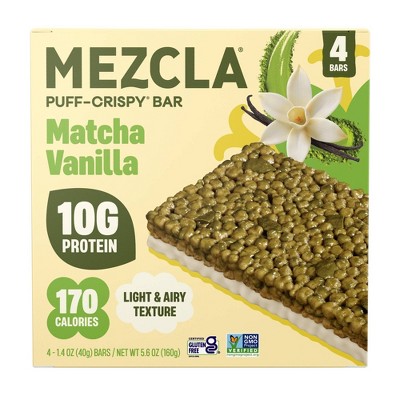
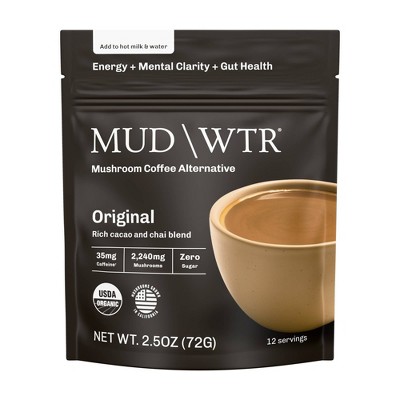
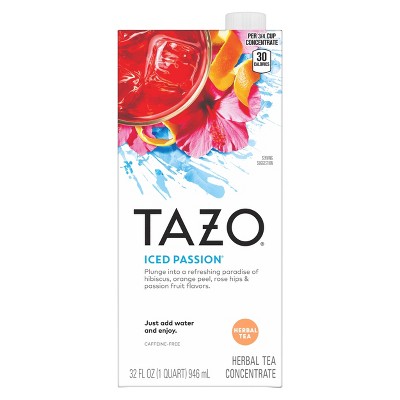

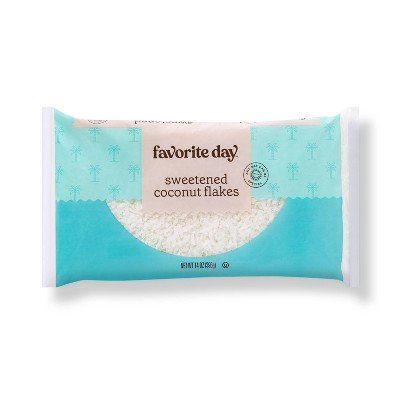




Sponsored
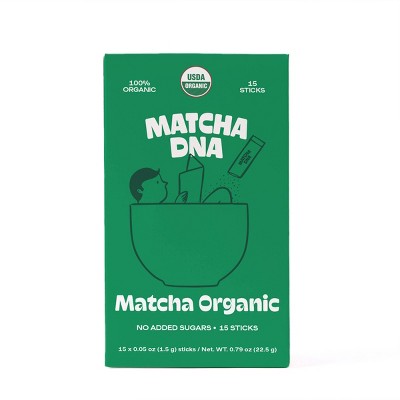
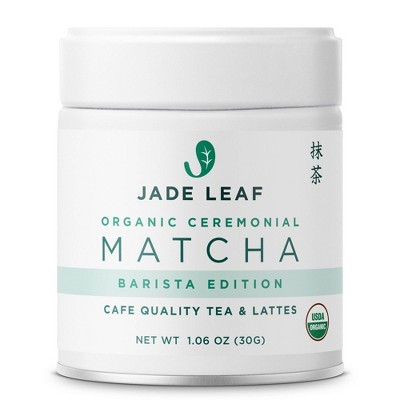
$19.99($18.86/ounce)
SNAP EBT eligible
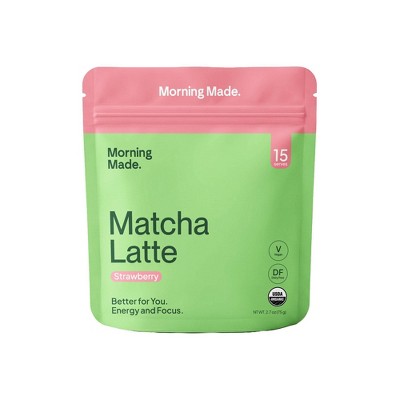
$9.99
Loved for: easy to prepare
SNAP EBT eligible
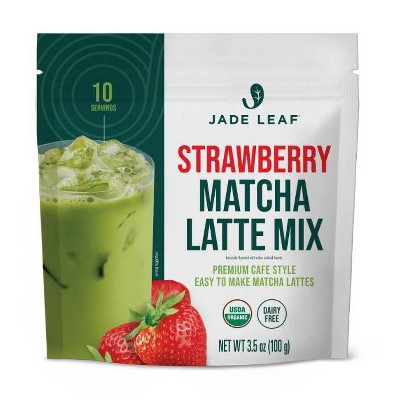
$10.99($3.14/ounce)
SNAP EBT eligible
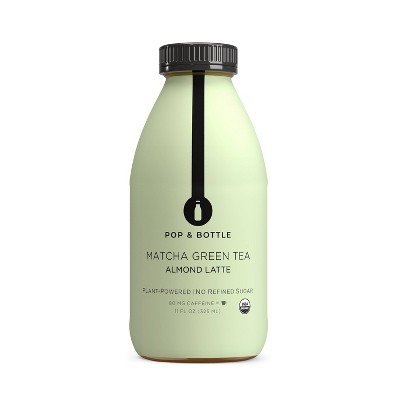
$2.99($0.27/fluid ounce)
reg $3.49
Sale
SNAP EBT eligible
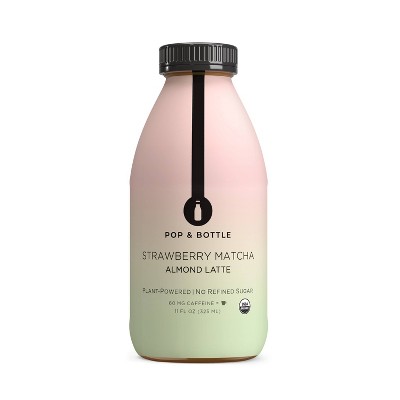
$2.99($0.27/fluid ounce)
reg $3.49
Sale
SNAP EBT eligible
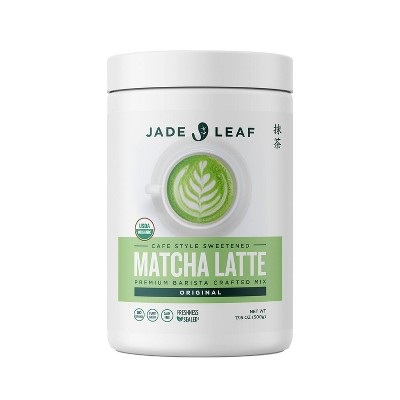
$34.99($1.99/ounce)
SNAP EBT eligible
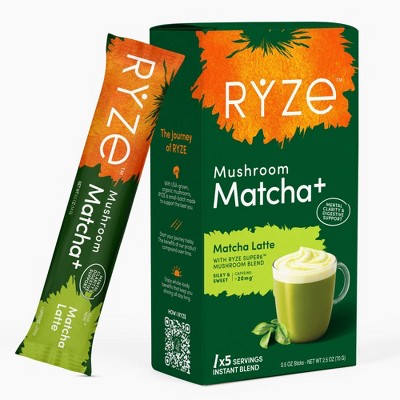
Related deals
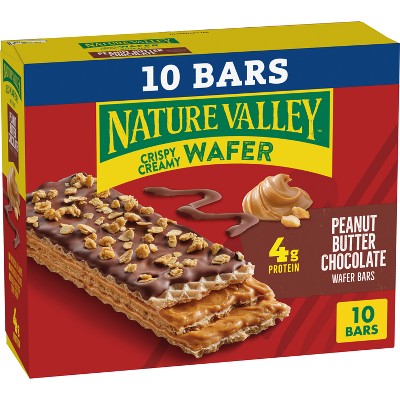
- $3.99($0.61/ounce)reg $4.29 Sale4.7 out of 5 stars with 1555 ratings
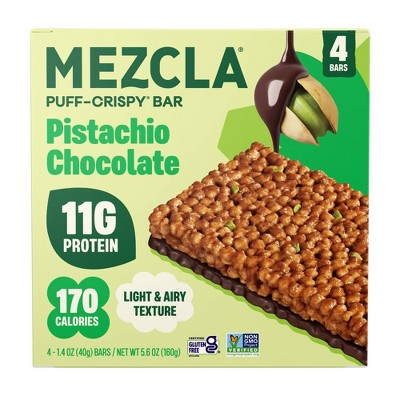
- $3.99($0.56/ounce)reg $4.29 Sale4.6 out of 5 stars with 712 ratings
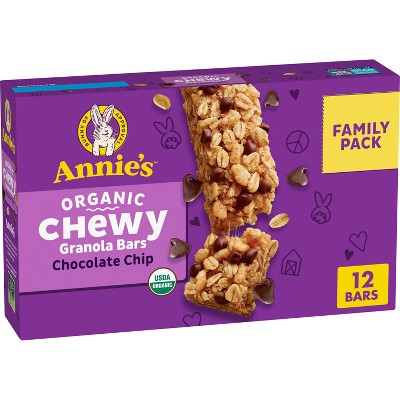
- $7.99($0.75/ounce)reg $8.99 Sale4.2 out of 5 stars with 281 ratings
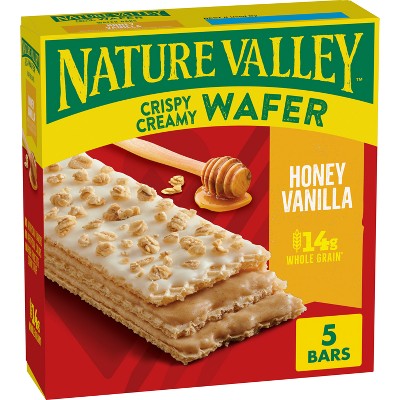
- $7.99($0.68/ounce)reg $8.99 Sale4.2 out of 5 stars with 285 ratings
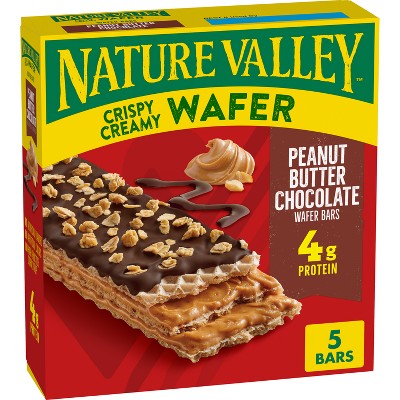
Sponsored
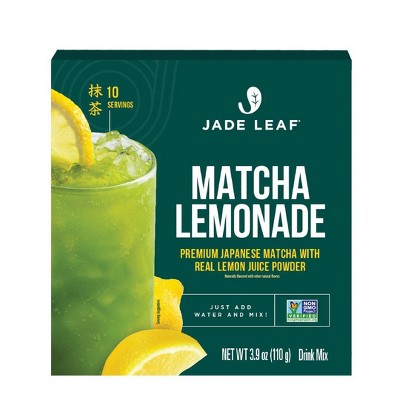
$10.99($2.82/ounce)
Loved for: refreshing flavor
SNAP EBT eligible
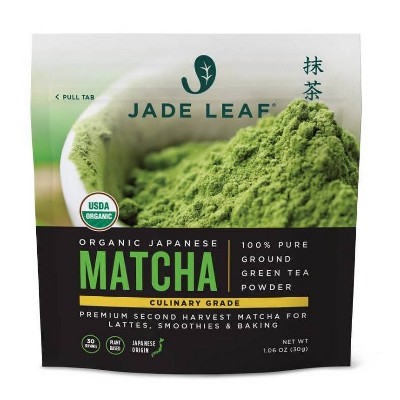
$10.99($10.37/ounce)
SNAP EBT eligible
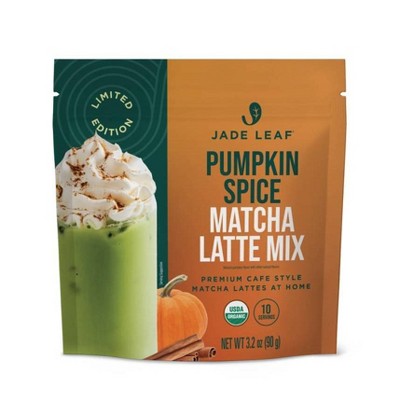
$10.99
Loved for: easy to prepare
SNAP EBT eligible
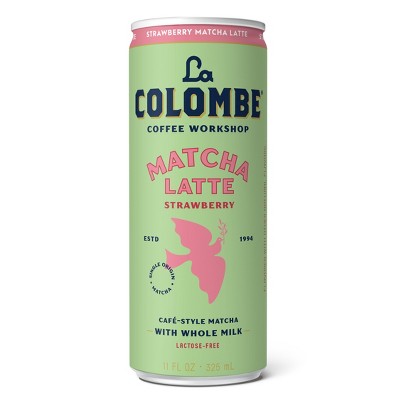
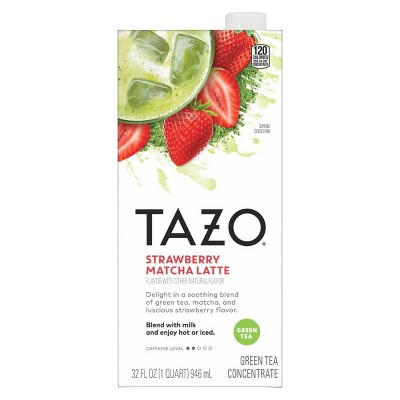
$5.39($0.17/fluid ounce)
Select items on sale
Loved for: natural ingredients
SNAP EBT eligible
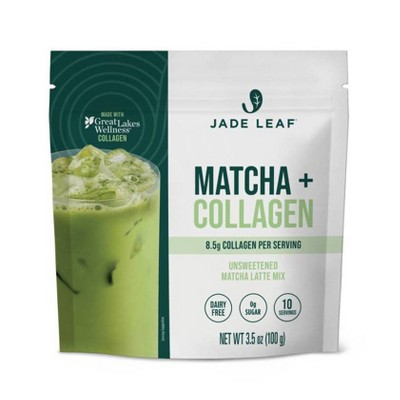
$10.99
SNAP EBT eligible
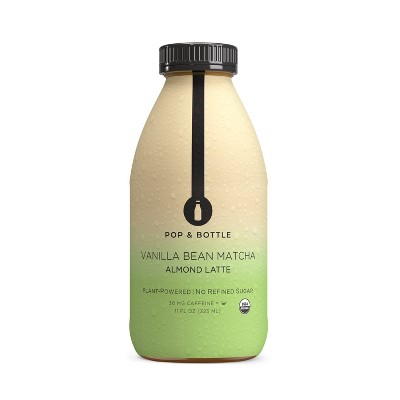
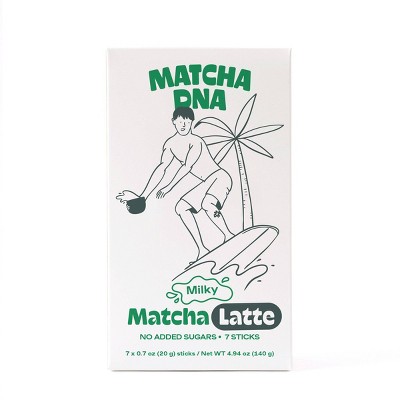
$7.99
reg $9.99
Sale
Sponsored
Powered by AI
Guests also ask:
Related searches
- uji matcha green tea
- kyo matcha
- cinnamon matcha
- usucha matcha
- cafe grade matcha
- oi ocha matcha tea
- kyoto matcha powder
- matcha green tea buy online
- matcha unsweetened
- decaf matcha
- sugar free matcha
- macha powder
- sweetened matcha powder
- matcha powder unsweetened
- midori matcha powder
- decaf matcha powder
- sencha matcha
- wazuka matcha
- matcha green tea powder
- organic matcha powder
Trending now
- $71.99($4.50/ounce)was $80.99 New lower price4.8 out of 5 stars with 164 ratings