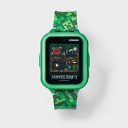
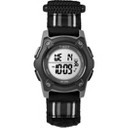
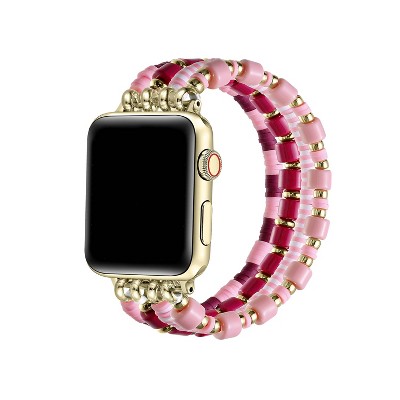
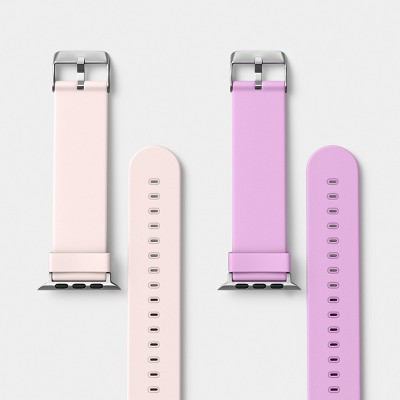
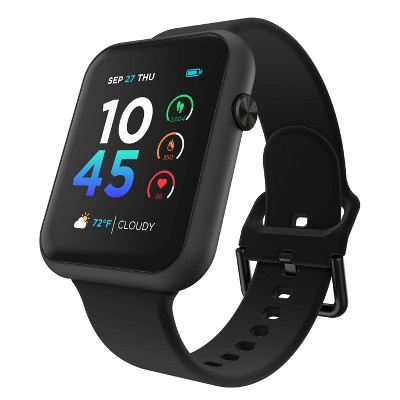
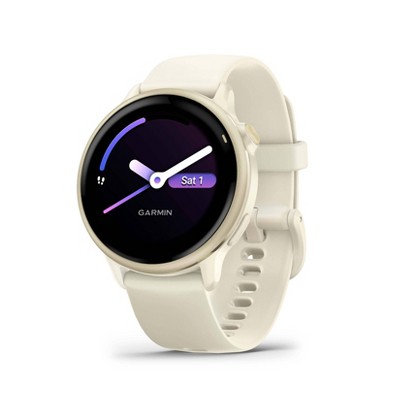
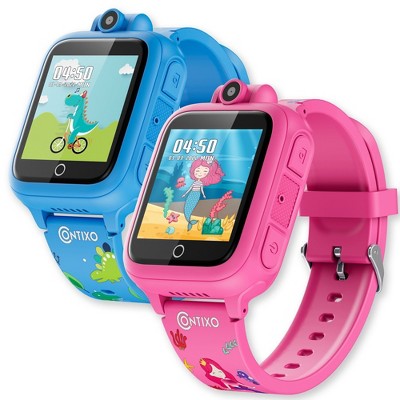
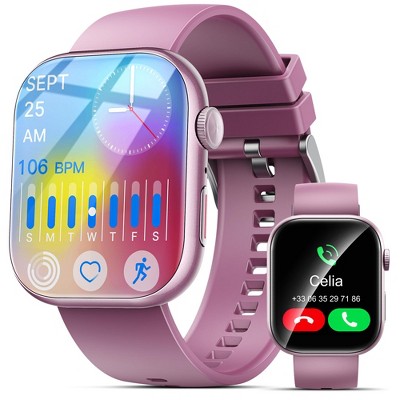
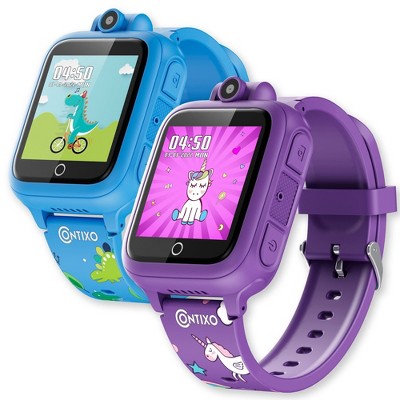
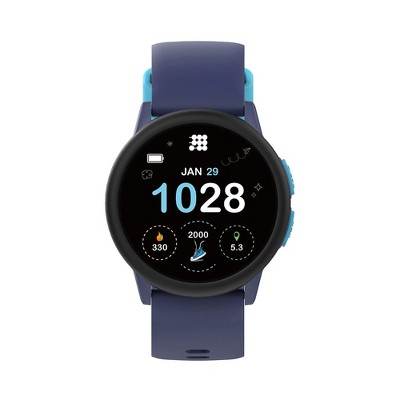
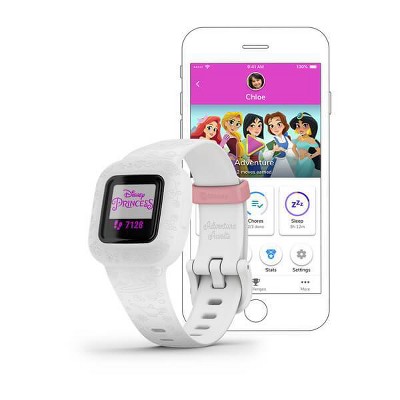
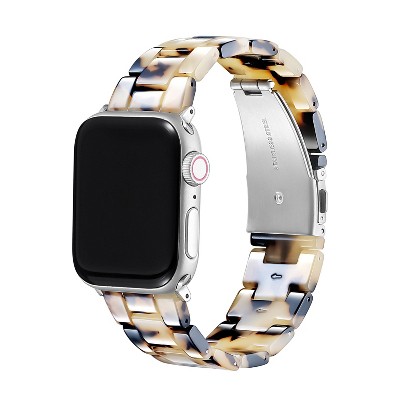
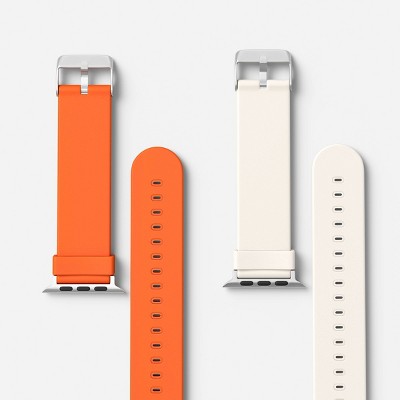
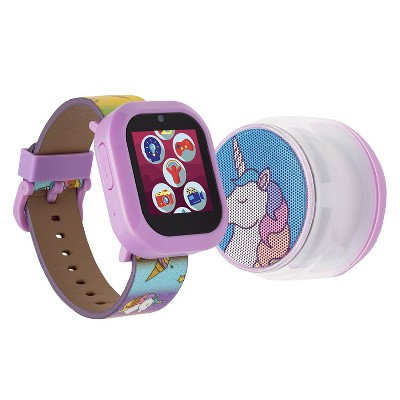
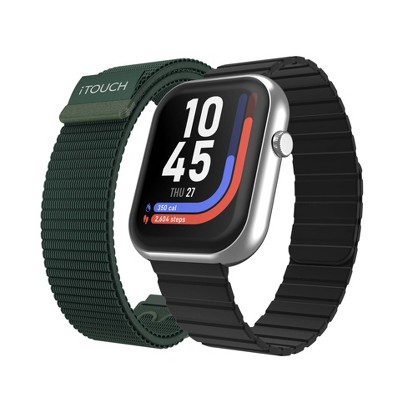
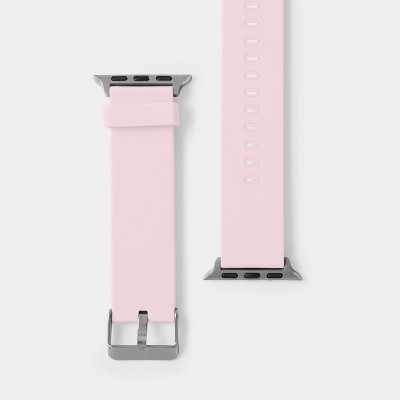
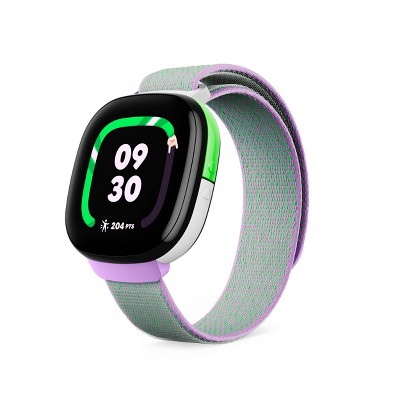
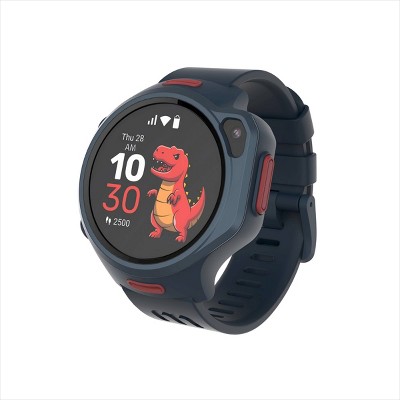
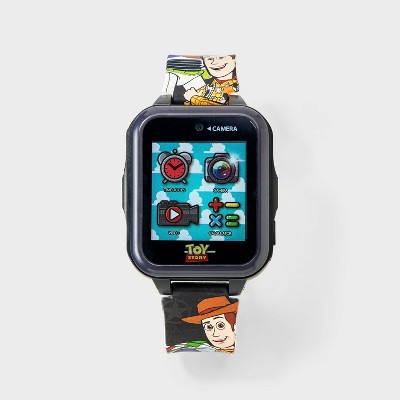
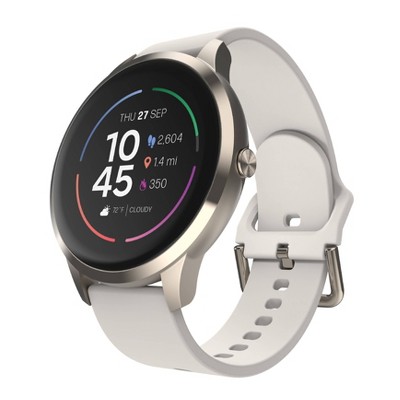
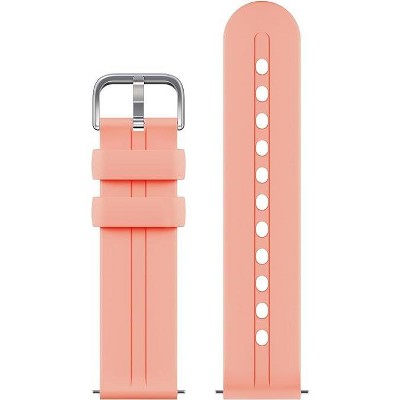
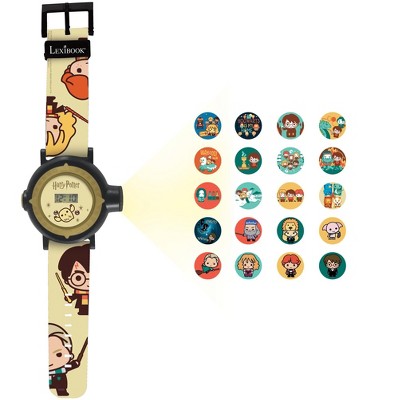
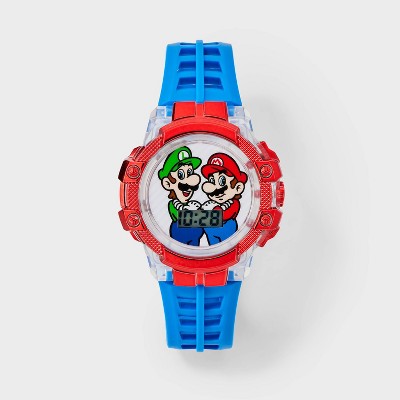
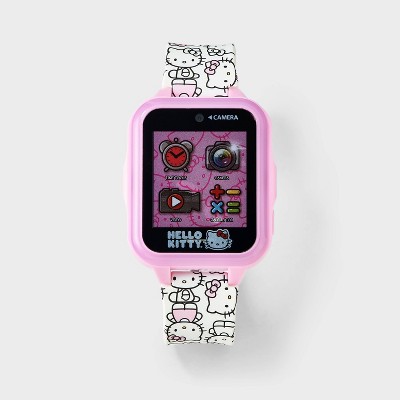
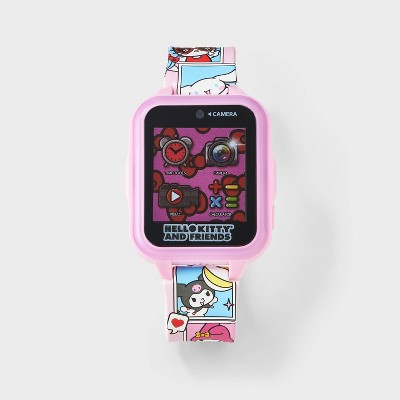
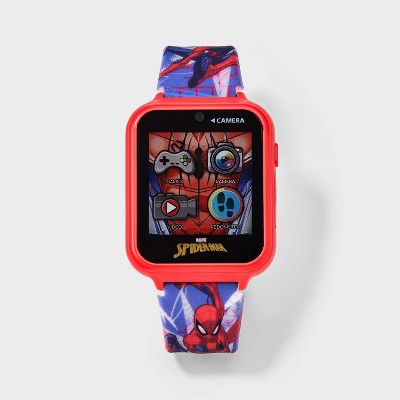
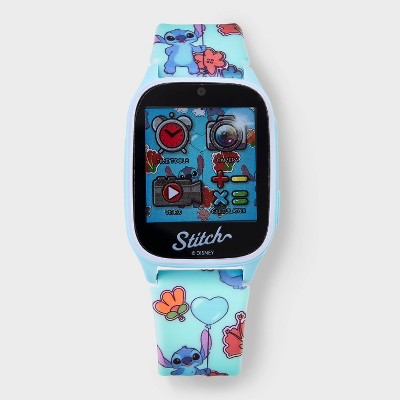
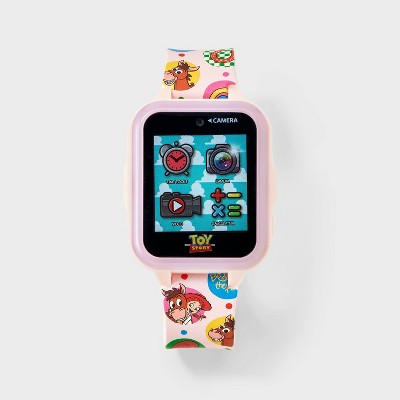
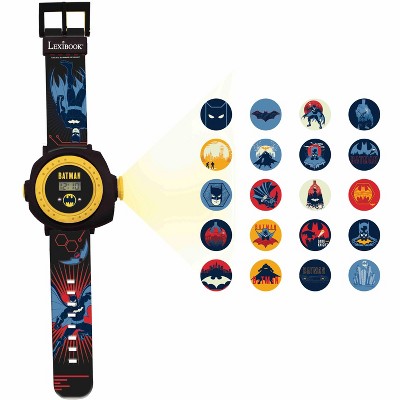
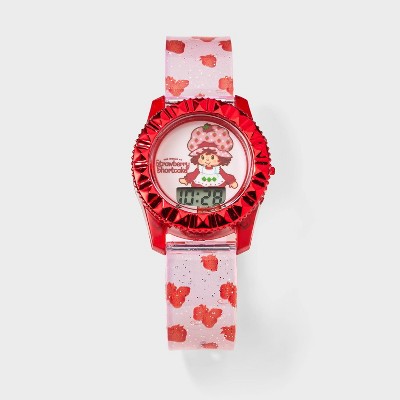
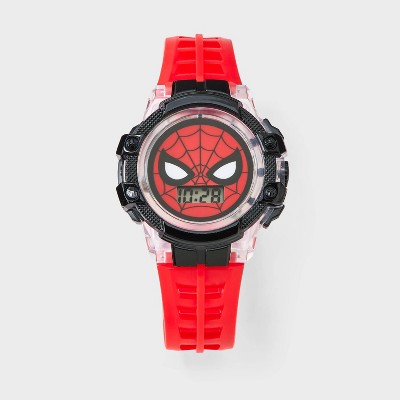
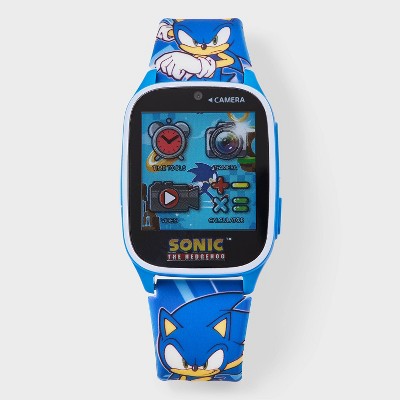
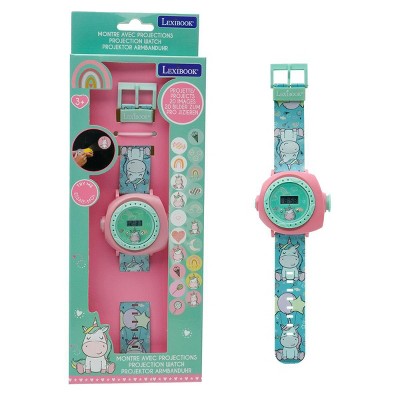
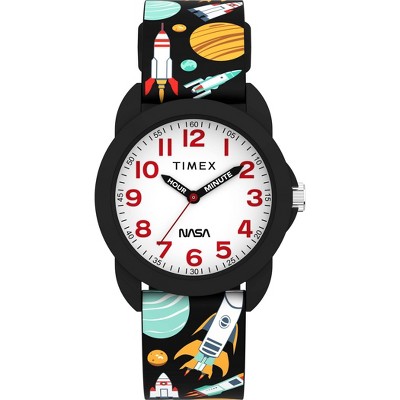
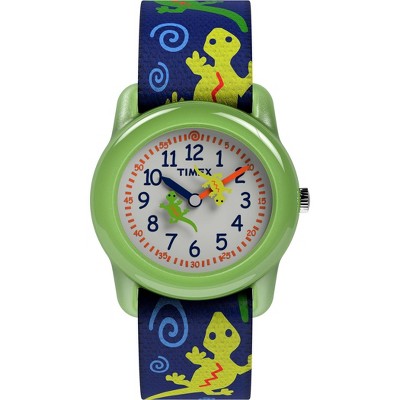
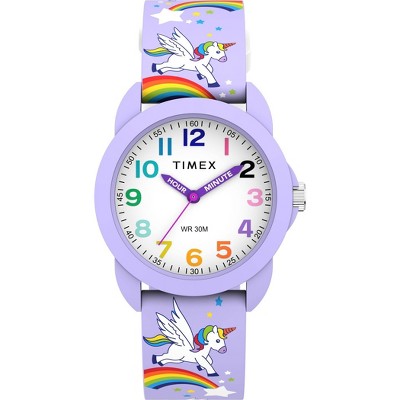
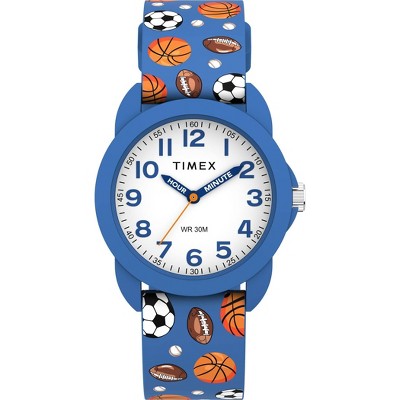
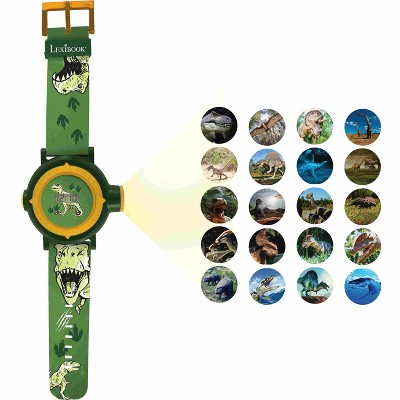
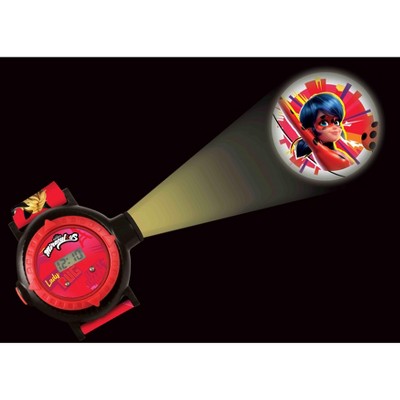
Common features include calling and texting, built-in GPS, front-facing cameras, alarms and stopwatches, customizable watch faces, step/activity tracking, and app-based parental controls. Some models also offer Wi‑Fi or cellular connectivity and interchangeable bands.
Screen sizes commonly range from about 1.0" up to roughly 1.52". Examples in listings include 1", 1.27", 1.4" (large IPS), 1.44", and 1.52" displays.
Battery life varies widely by model and usage. Listings show runtimes from shorter spans (around 16 hours) up to about 72 hours (3 days) and longer examples of 5–7 days (one listing noted 168 hours/7 days). Standby times can be longer. Actual battery life depends on features and settings (GPS, cellular, camera, screen brightness, etc.).
Water-resistance varies by model: some watches are labeled simply “water-resistant,” while others specify IP ratings such as IP67 or IP68. Several listings do not include a specific rating, so check the product details for the exact level of protection.
Common options include Bluetooth and USB/USB‑C for charging and pairing; some models support Wi‑Fi. Several watches offer cellular connectivity (3G/4G/4G LTE), which typically requires a separate data plan on supported models.
Typical safety features include GPS location tracking and configurable safety/school zones, parental apps with preapproved contacts, SOS/emergency buttons, and modes or settings that limit gameplay or calls during school hours.
Some kids watches include front-facing cameras (examples listed at 2MP or 5MP). A few models note internal storage (for example 8GB) or capacities cited as able to hold more than 1,500 photos.