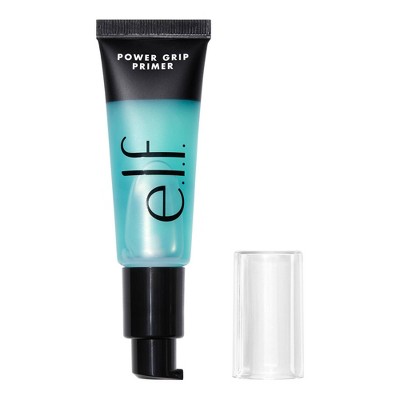
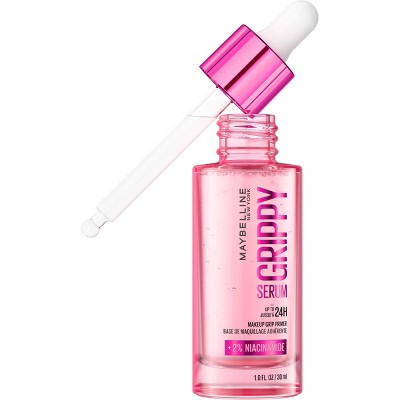
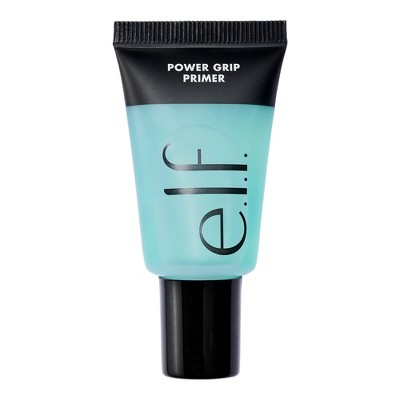
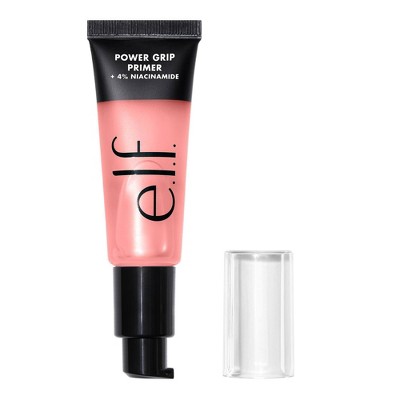
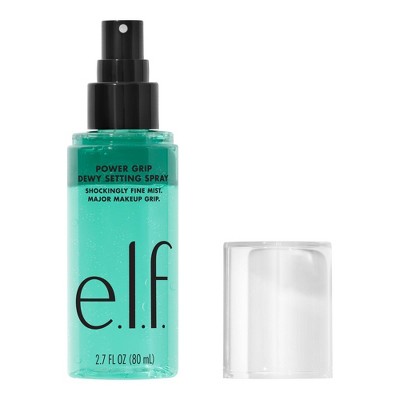
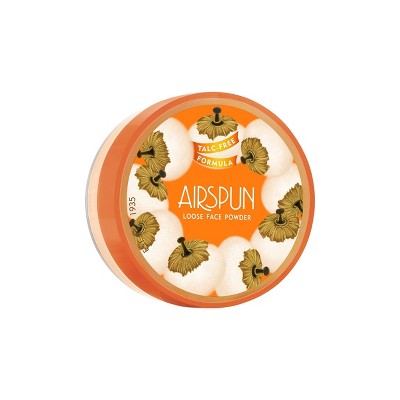
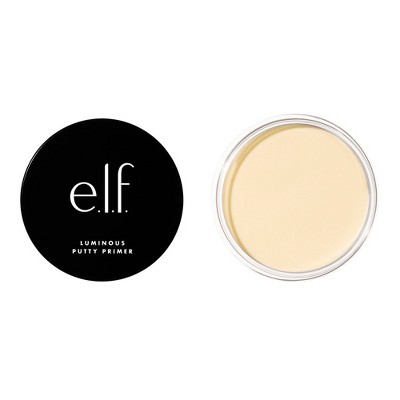
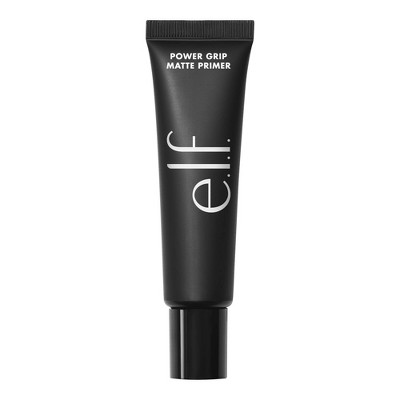
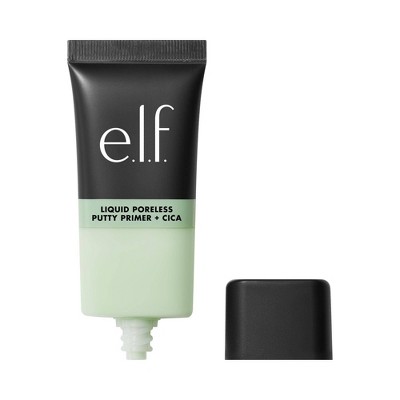
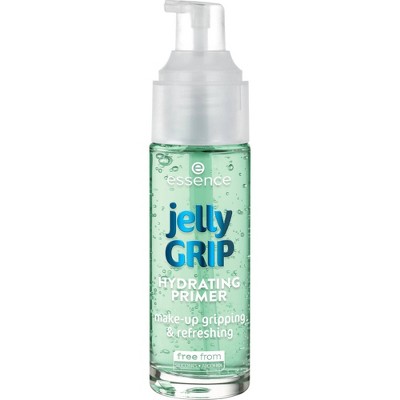
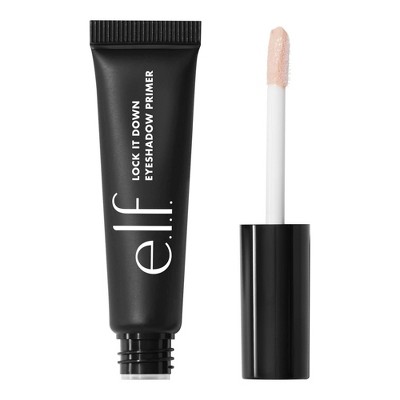
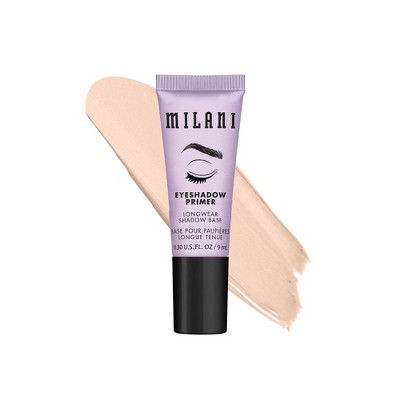
redness reducer primer
200 results for “redness reducer primer”
$7.39
Loved for: affordable price
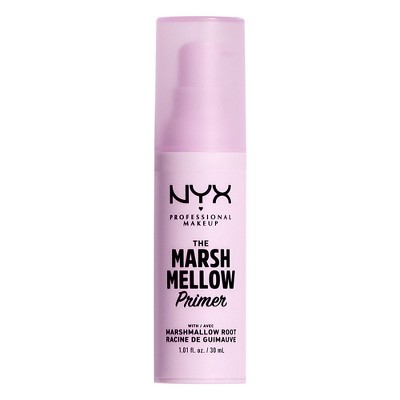
$16.99
Loved for: affordable price
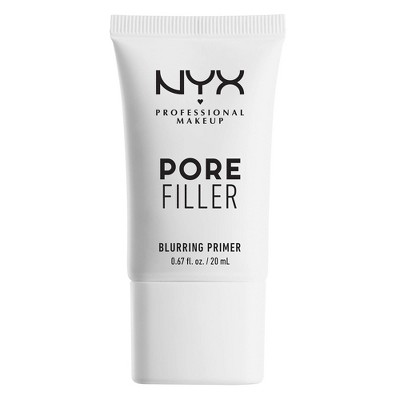
$14.99
Loved for: blurs imperfections
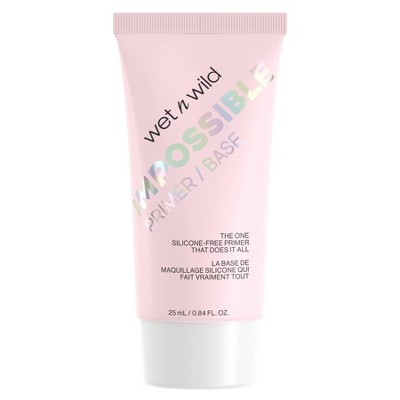
$6.79
Loved for: smooth application
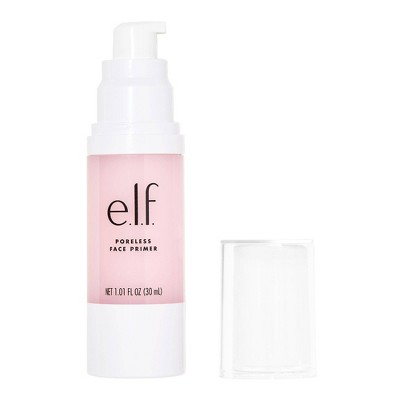
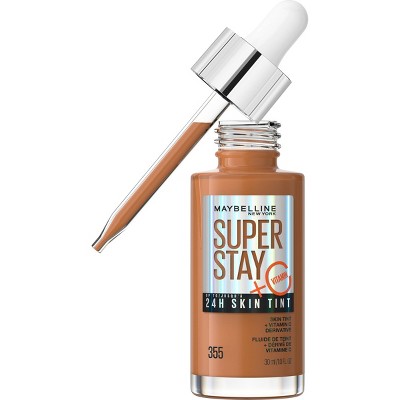


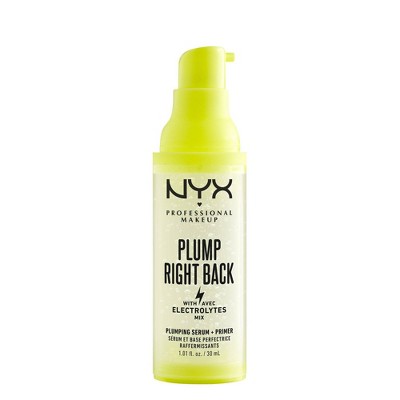
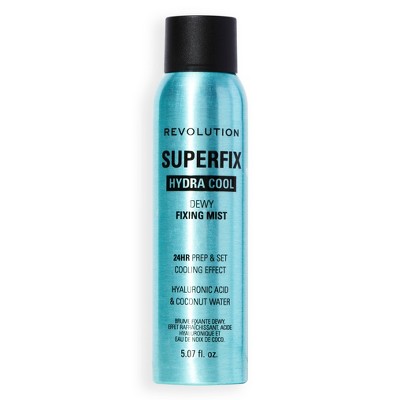
$11.25
reg $15.00
Sale
Loved for: refreshing
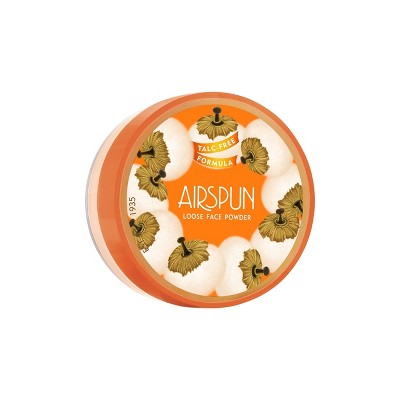


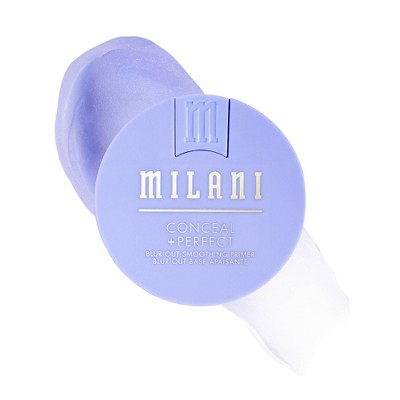
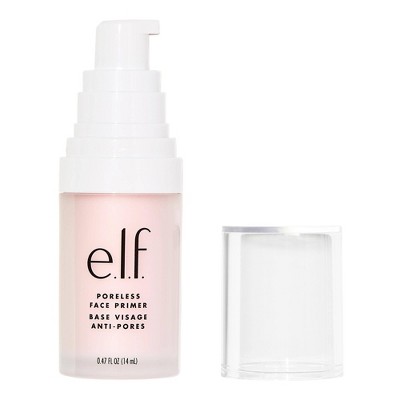
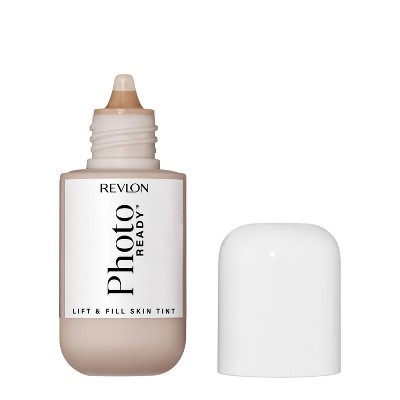


Sponsored
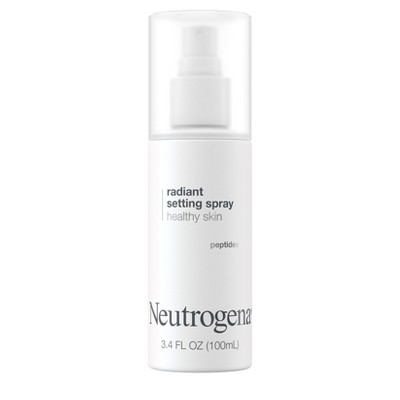
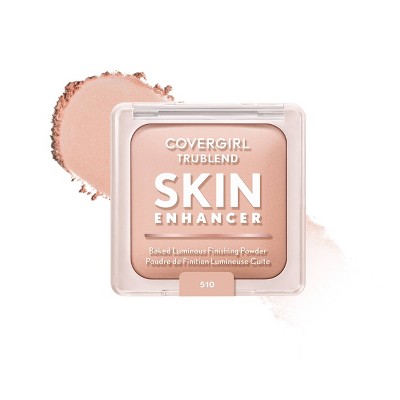
$9.99


Loved for: smooth application
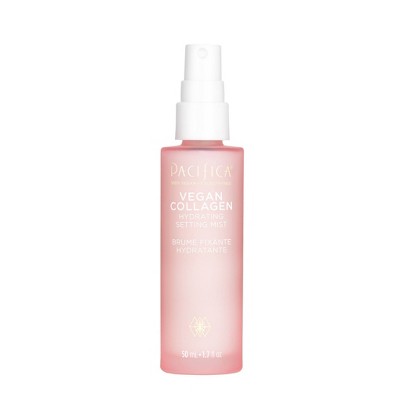
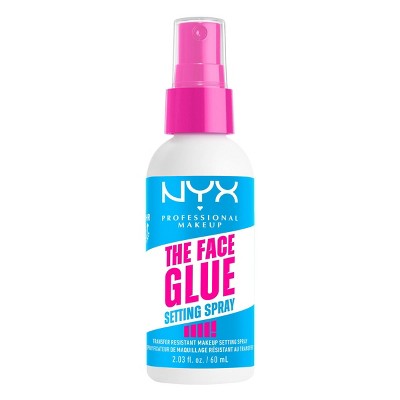
$9.99
Loved for: lightweight feel
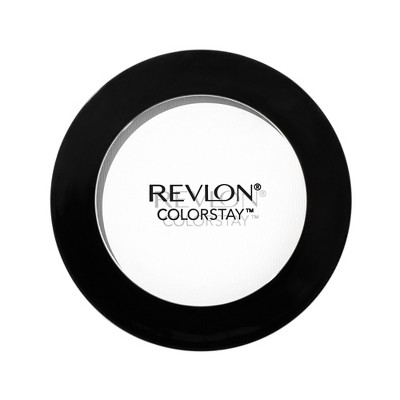
$9.79


 + 2
+ 2Loved for: smooth application
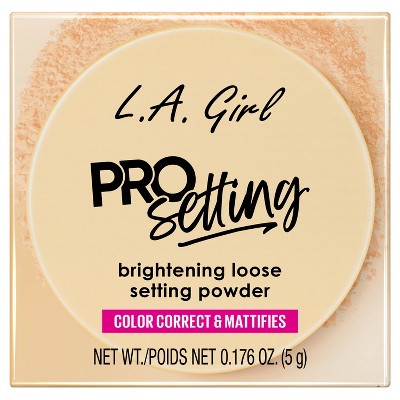


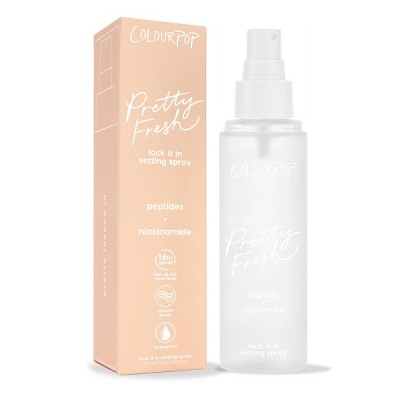
$12.00
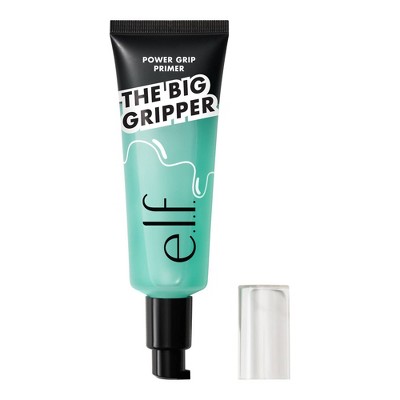
Loved for: long-lasting hold
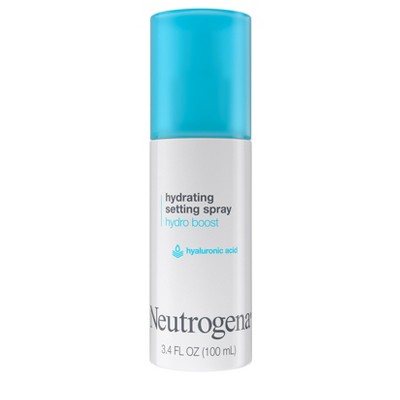
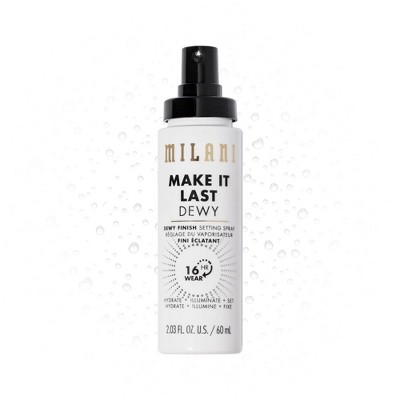
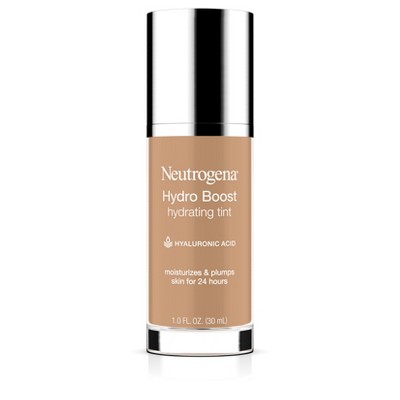
$12.49


 + 3
+ 3Loved for: lightweight feel


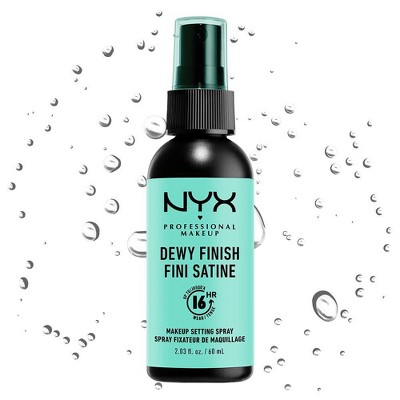
$9.99
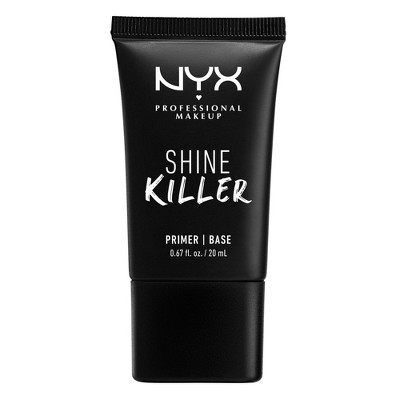
Loved for: shine control
Sponsored
Powered by AI
Guests also ask:
Related searches
- redness primer
- redness corrector primer
- redness relief primer spf 20
- blemish control primer
- pore reducing primer
- blurring primer
- poreless primer
- correcting primer
- brightening primer
- pore minimizer primer
- facial primer
- neutrogena mattifying primer
- elf blemish control face primer
- all nighter face primer
- redness reducer
- elf blemish control primer
- the ordinary silicone primer